
In formats where players have vast and powerful card pools at their disposal, combo archetypes are often heavily represented. In Legacy, for instance, there are a multitude of archetypes where the main goal is to get an enormous haymaker into play early on in the game. Reanimator decks try to utilize ways to recur monsters like
Atraxa, Grand Unifier
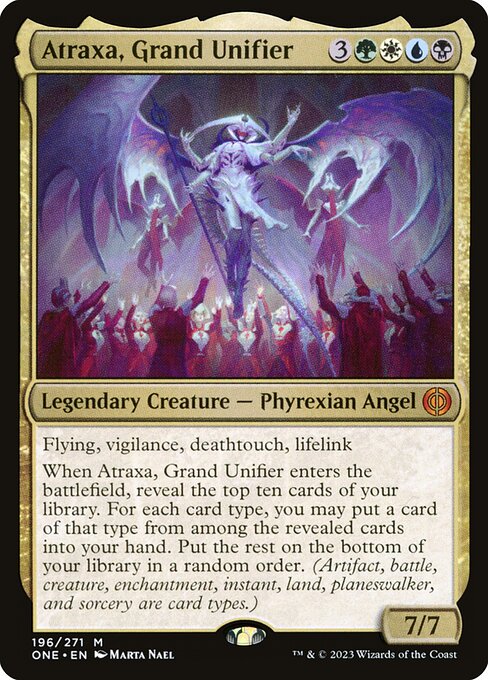 Atraxa, Grand Unifier
Flying, vigilance, deathtouch, lifelink
Atraxa, Grand Unifier
Flying, vigilance, deathtouch, lifelink
When Atraxa enters, reveal the top ten cards of your library. For each card type, you may put a card of that type from among the revealed cards into your hand. Put the rest on the bottom of your library in a random order. (Artifact, battle, creature, enchantment, instant, land, planeswalker, and sorcery are card types.)
from the graveyard to play. Meanwhile,
Dark Depths
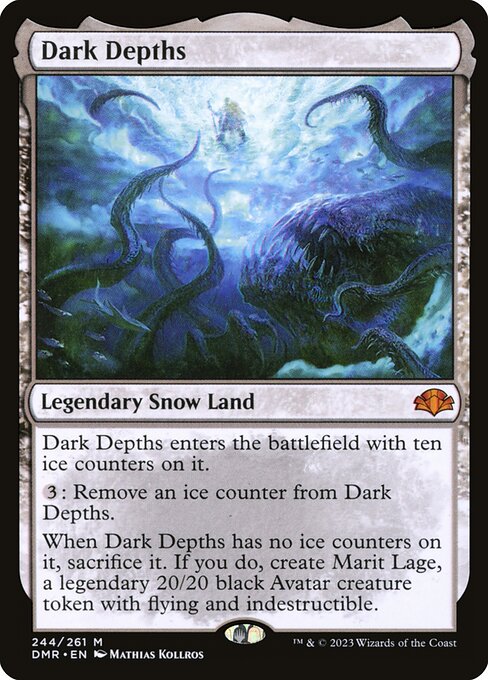 Dark Depths
 enters with ten ice counters on it.
Dark Depths
Dark Depths enters with ten ice counters on it.
{3}: Remove an ice counter from Dark Depths.
When Dark Depths has no ice counters on it, sacrifice it. If you do, create Marit Lage, a legendary 20/20 black Avatar creature token with flying and indestructible.
combo decks use the combination of Dark Depths and
Thespian’s Stage
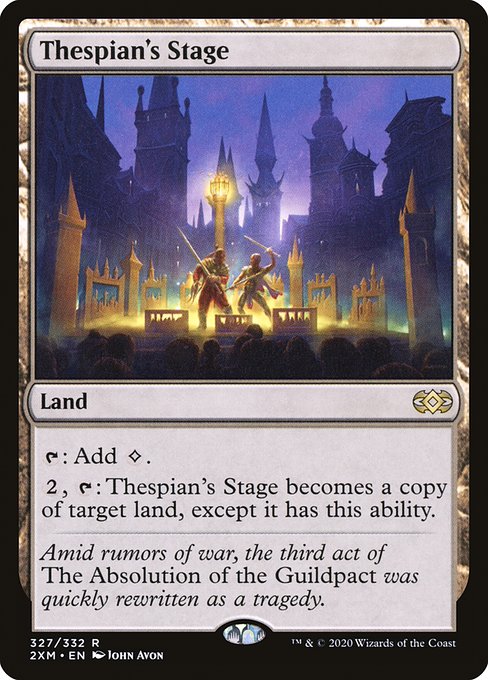 Thespian’s Stage
{T}: Add {C}.
Thespian’s Stage
{T}: Add {C}.
{2}, {T}: This land becomes a copy of target land, except it has this ability.
to generate a 20/20 Flying and Indestructible force for cheap.
There are simply tons of different synergies available for players to build around when they have access to so many cards. In some cases, combo pieces will even overlap across multiple different strategies. Take
Show and Tell
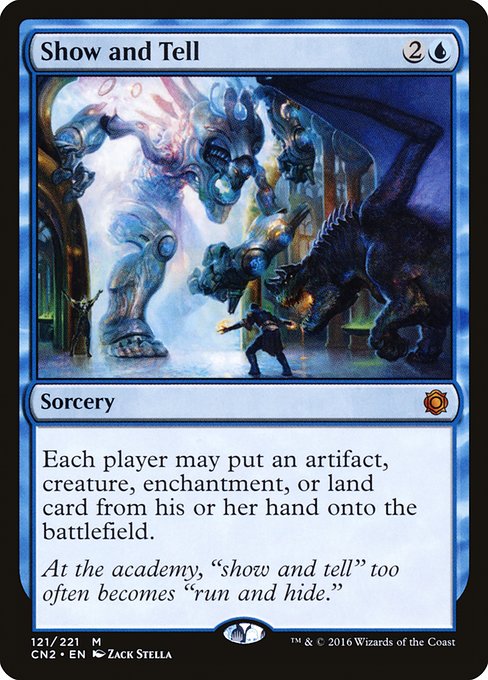 Show and Tell
Each player may put an artifact, creature, enchantment, or land card from their hand onto the battlefield.
, for example. Show and Tell has most famously been utilized in Legacy alongside
Omniscience
Show and Tell
Each player may put an artifact, creature, enchantment, or land card from their hand onto the battlefield.
, for example. Show and Tell has most famously been utilized in Legacy alongside
Omniscience
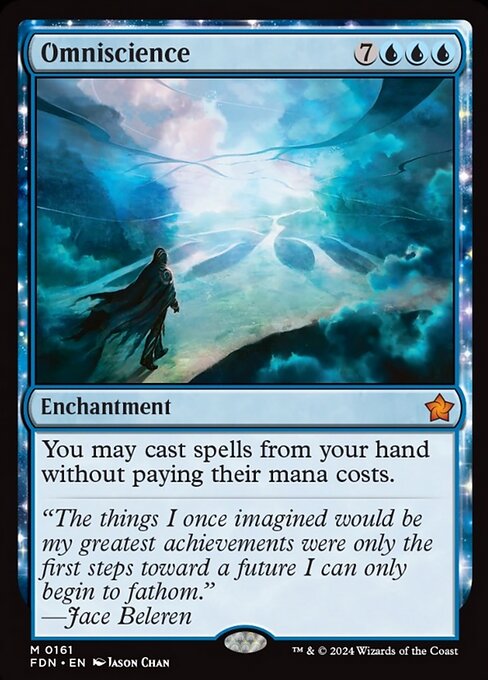 Omniscience
You may cast spells from your hand without paying their mana costs.
and
Sneak Attack
Omniscience
You may cast spells from your hand without paying their mana costs.
and
Sneak Attack
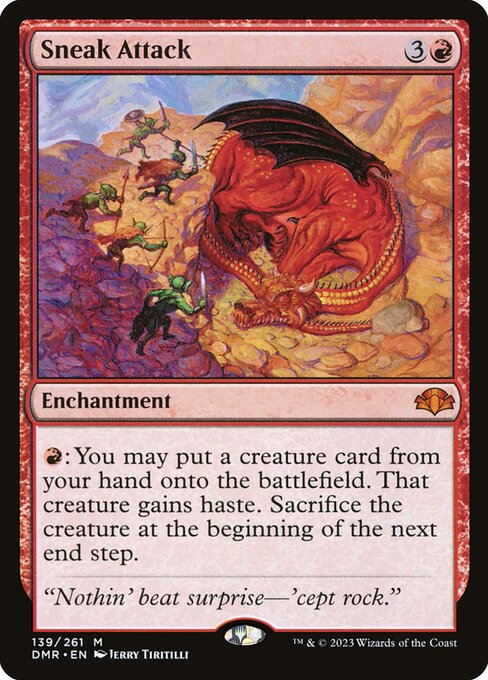 Sneak Attack
{R}: You may put a creature card from your hand onto the battlefield. That creature gains haste. Sacrifice the creature at the beginning of the next end step.
to cheat large fatties into play.
Sneak Attack
{R}: You may put a creature card from your hand onto the battlefield. That creature gains haste. Sacrifice the creature at the beginning of the next end step.
to cheat large fatties into play.
More recently, though, some other Show and Tell shells, such as those using
Coveted Jewel
 Coveted Jewel
When this artifact enters, draw three cards.
Coveted Jewel
When this artifact enters, draw three cards.
{T}: Add three mana of any one color.
Whenever one or more creatures an opponent controls attack you and aren't blocked, that player draws three cards and gains control of this artifact. Untap it.
and
Paradox Engine
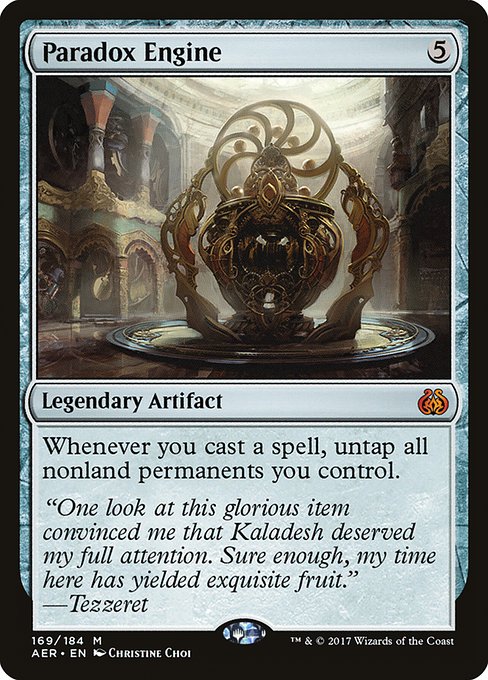 Paradox Engine
Whenever you cast a spell, untap all nonland permanents you control.
to generate absurd amounts of mana, have started popping up. Today, we are going to focus on perhaps an even more intriguing Show and Tell variant that seems to be flying under the radar. This unique combo deck went undefeated in a recent Magic Online Legacy League, and we think it deserves some attention.
Paradox Engine
Whenever you cast a spell, untap all nonland permanents you control.
to generate absurd amounts of mana, have started popping up. Today, we are going to focus on perhaps an even more intriguing Show and Tell variant that seems to be flying under the radar. This unique combo deck went undefeated in a recent Magic Online Legacy League, and we think it deserves some attention.
Unique Show and Tell Package
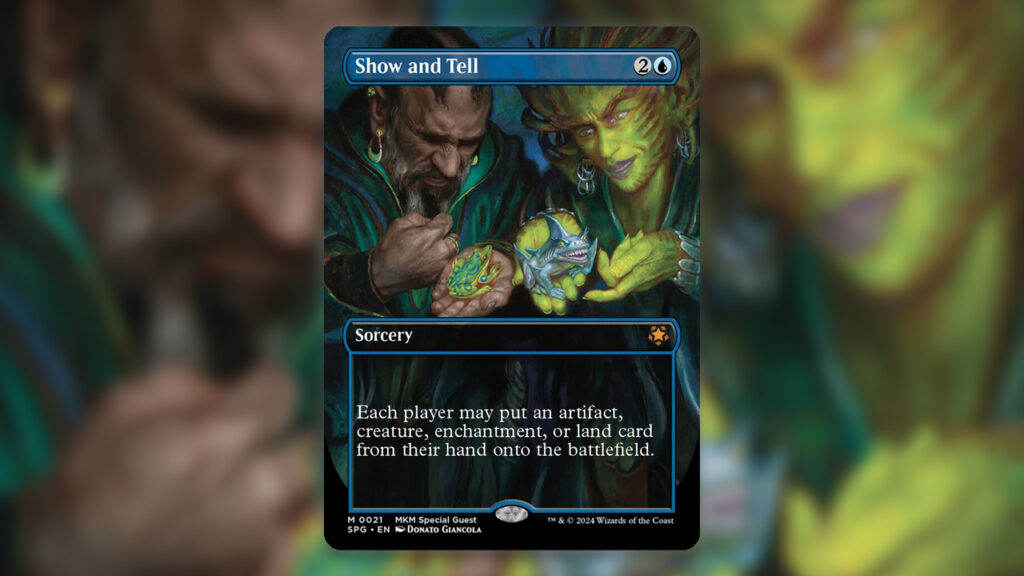
In this Show and Tell shell, the main engine that you are looking to cheat into play is none other than
Hive Mind
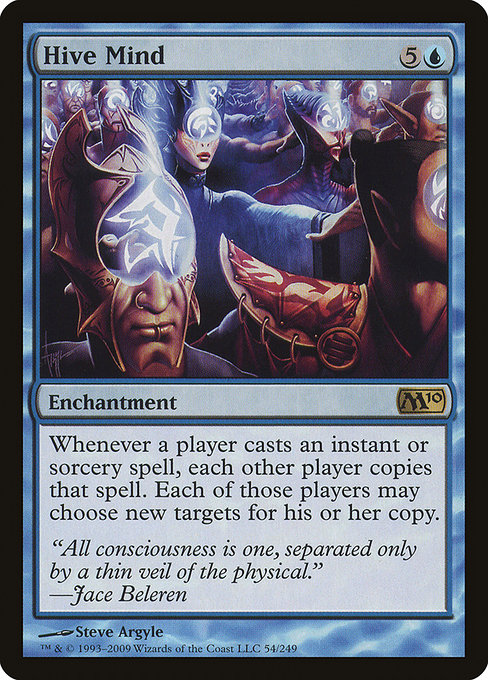 Hive Mind
Whenever a player casts an instant or sorcery spell, each other player copies that spell. Each of those players may choose new targets for their copy.
. Much like Omniscience, Hive Mind opens the door for you to win the game the same turn you cast Show and Tell. Part of the downside of Show and Tell is that it is symmetrical. Even putting in something powerful like
Emrakul, the Aeons Torn
Hive Mind
Whenever a player casts an instant or sorcery spell, each other player copies that spell. Each of those players may choose new targets for their copy.
. Much like Omniscience, Hive Mind opens the door for you to win the game the same turn you cast Show and Tell. Part of the downside of Show and Tell is that it is symmetrical. Even putting in something powerful like
Emrakul, the Aeons Torn
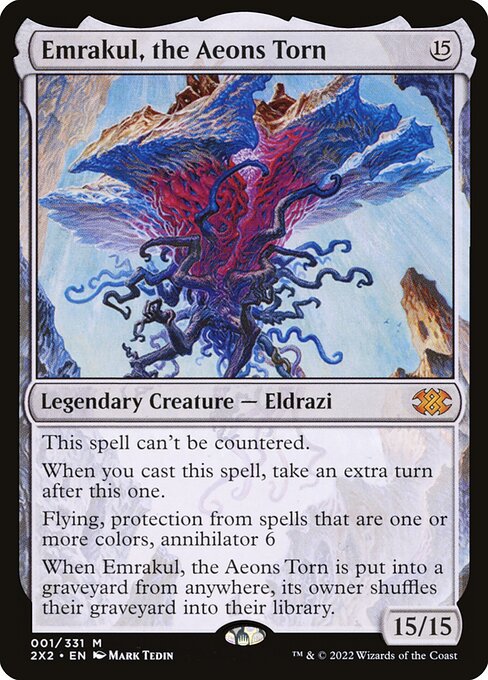 Emrakul, the Aeons Torn
This spell can't be countered.
Emrakul, the Aeons Torn
This spell can't be countered.
When you cast this spell, take an extra turn after this one.
Flying, protection from spells that are one or more colors, annihilator 6
When Emrakul is put into a graveyard from anywhere, its owner shuffles their graveyard into their library.
that doesn’t end the game on the spot may end up backfiring if your opponent puts in something busted too.
Luckily, winning the game with Hive Mind in play is generally quite simple. With
Pact of the Titan
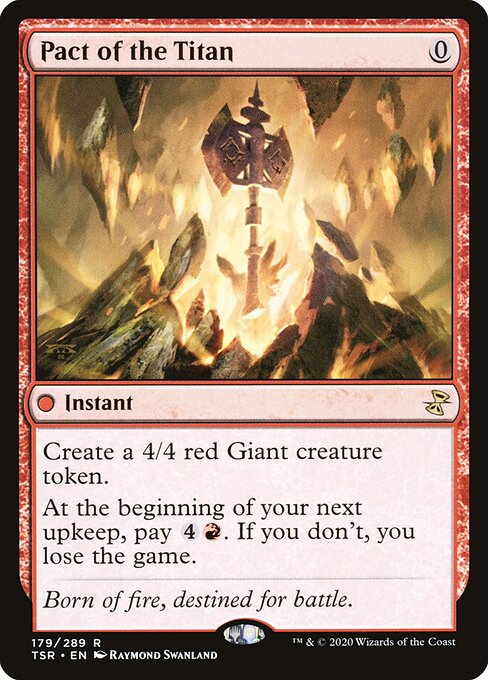 Pact of the Titan
Create a 4/4 red Giant creature token.
Pact of the Titan
Create a 4/4 red Giant creature token.
At the beginning of your next upkeep, pay {4}{R}. If you don't, you lose the game.
or
Summoner’s Pact
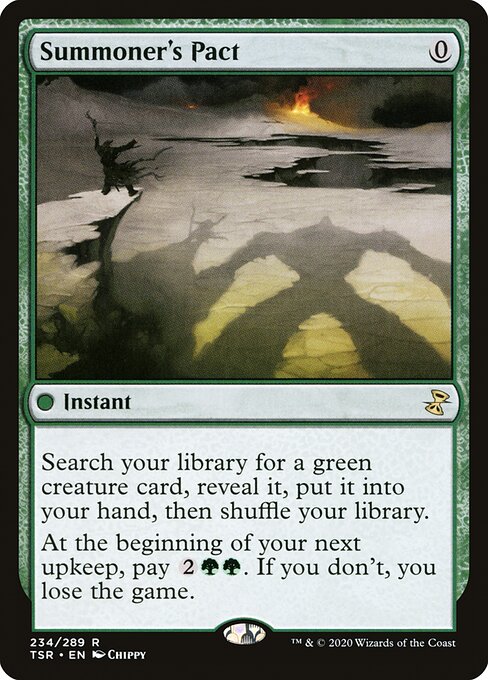 Summoner’s Pact
Search your library for a green creature card, reveal it, put it into your hand, then shuffle.
Summoner’s Pact
Search your library for a green creature card, reveal it, put it into your hand, then shuffle.
At the beginning of your next upkeep, pay {2}{G}{G}. If you don't, you lose the game.
, you can simply cast one and Hive Mind will trigger, forcing the opponent to copy the Pact. By copying the spell, they will be required to pay the upkeep cost associated with the Pact, just like you. The difference, though, is that, assuming you cast Pact on your turn, the opponent will need to pay first on their upkeep. Chances are, they can’t pay and will lose the game as a result.
This kill condition is nice because, even if you don’t draw Show and Tell, casting Hive Mind is quite realistic.
Ancient Tomb
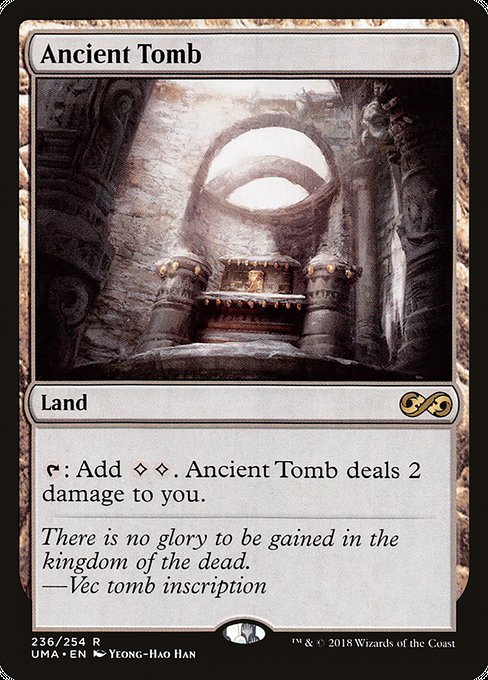 Ancient Tomb
{T}: Add {C}{C}. This land deals 2 damage to you.
and
City of Traitors
Ancient Tomb
{T}: Add {C}{C}. This land deals 2 damage to you.
and
City of Traitors
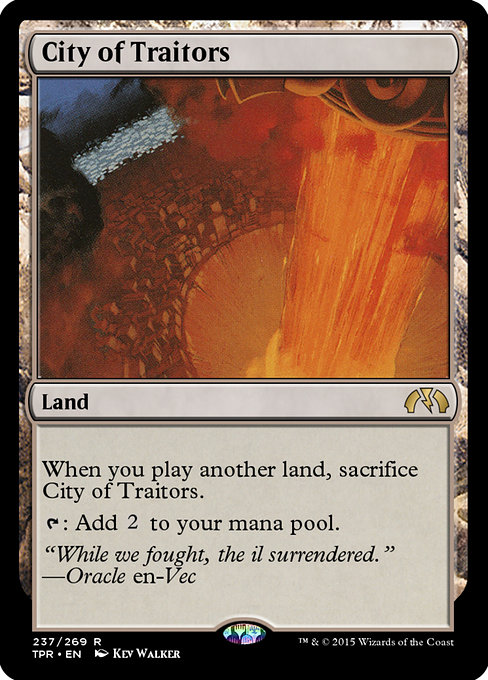 City of Traitors
When you play another land, sacrifice this land.
City of Traitors
When you play another land, sacrifice this land.
{T}: Add {C}{C}.
come a long way in making this a reality. Further, this deck plays a couple copies of
Grim Monolith
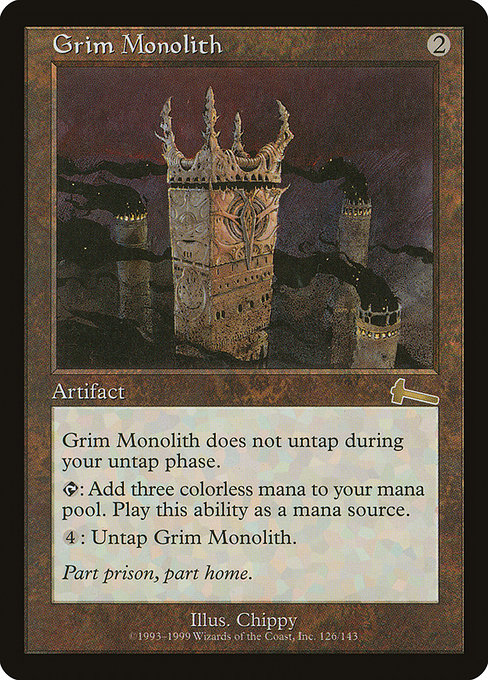 Grim Monolith
This artifact doesn't untap during your untap step.
Grim Monolith
This artifact doesn't untap during your untap step.
{T}: Add {C}{C}{C}.
{4}: Untap this artifact.
to enable fast Hive Mind kills with Show and Tell out of the picture.
Read More: Dice-Rolling MTG Cards See Major Price Spikes!
A Backup Win Condition
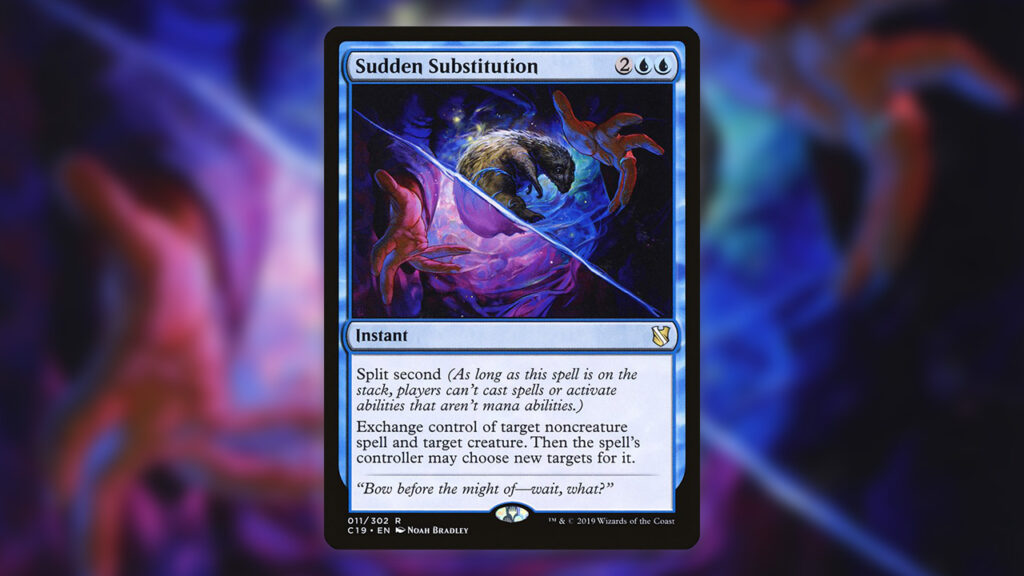
Interestingly, this deck is not “all in” on Hive Mind and Show and Tell as the only ways to close the game. Instead, this deck utilizes another way to abuse various Pacts, though this avenue takes a bit more setup. If you have four mana at the ready along with Pact in hand, and the opponent has a Creature in play you can target,
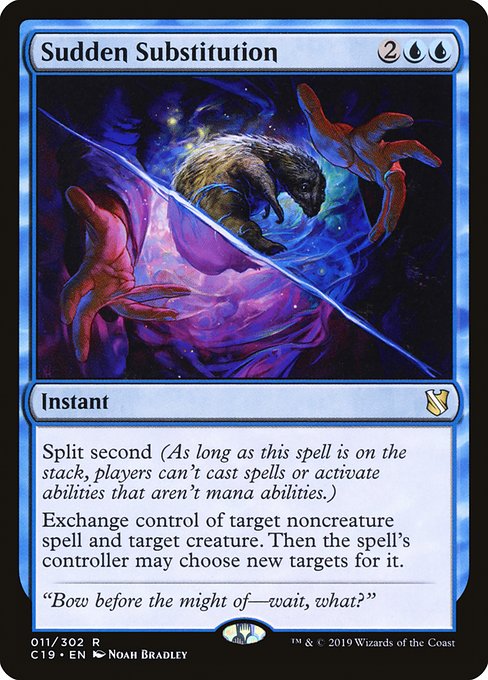
Sudden Substitution
 Sudden Substitution
Split second (As long as this spell is on the stack, players can't cast spells or activate abilities that aren't mana abilities.)
Sudden Substitution
Split second (As long as this spell is on the stack, players can't cast spells or activate abilities that aren't mana abilities.)
Exchange control of target noncreature spell and target creature. Then the spell's controller may choose new targets for it.
become a strong path to victory.
In this case, you start by casting a Pact yourself. From there, you cast Sudden Substitution, exchanging control of your Pact and your opponent’s Creature. Now, when Pact resolves, it’s your opponent who will be forced to pay the requisite upkeep cost, not you. Sudden Substitution even has Split Second, making it more difficult to break up.
The obvious issue with Sudden Substitution is that if the opponent doesn’t control a Creature, Sudden Substitution could just rot in your hand. Luckily, this deck has some tricks up its sleeve. Thanks to
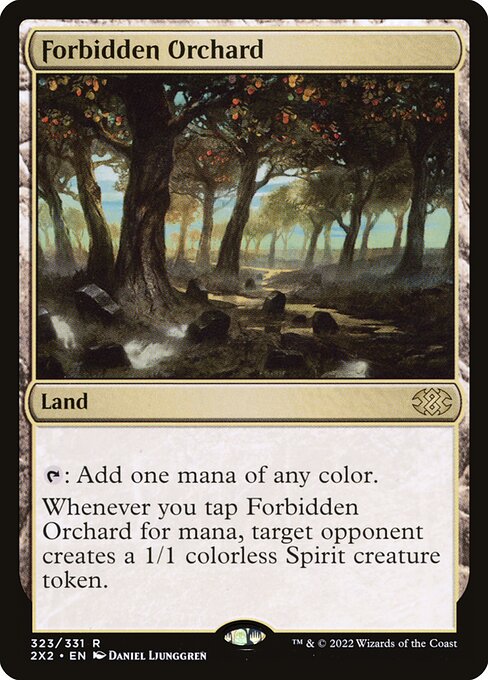
Forbidden Orchard
 Forbidden Orchard
{T}: Add one mana of any color.
Forbidden Orchard
{T}: Add one mana of any color.
Whenever you tap this land for mana, target opponent creates a 1/1 colorless Spirit creature token.
, you can often gift your opponent a small Creature to help set up your Sudden Substitution turns. This is a very similar strategy that some
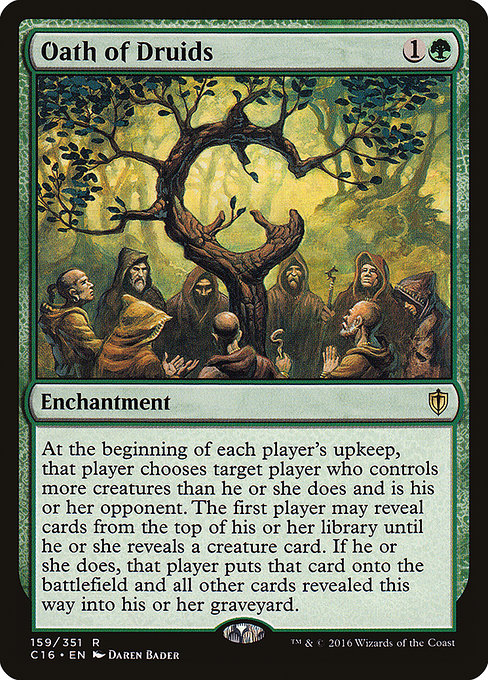
Oath of Druids
 Oath of Druids
At the beginning of each player's upkeep, that player chooses target player who controls more creatures than they do and is their opponent. The first player may reveal cards from the top of their library until they reveal a creature card. If the first player does, that player puts that card onto the battlefield and all other cards revealed this way into their graveyard.
decks in Vintage make use of, as well.
Oath of Druids
At the beginning of each player's upkeep, that player chooses target player who controls more creatures than they do and is their opponent. The first player may reveal cards from the top of their library until they reveal a creature card. If the first player does, that player puts that card onto the battlefield and all other cards revealed this way into their graveyard.
decks in Vintage make use of, as well.
Read More: Murders at Karlov Manor Commander Staple is Breaking Through cEDH!
Digging For Combo Pieces
Much like the traditional Show and Tell decks of old, it’s imperative to maximize cantrips to help you find all the necessary pieces to your various combos.
Brainstorm
 Brainstorm
Draw three cards, then put two cards from your hand on top of your library in any order.
and
Ponder
Brainstorm
Draw three cards, then put two cards from your hand on top of your library in any order.
and
Ponder
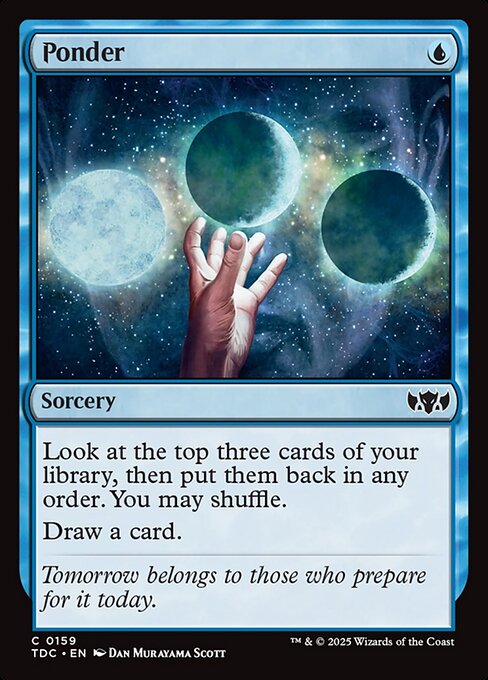 Ponder
Look at the top three cards of your library, then put them back in any order. You may shuffle.
Ponder
Look at the top three cards of your library, then put them back in any order. You may shuffle.
Draw a card.
are the cream of the crop in this regard, helping you smooth your draws in the early game.
Unsurprisingly, this deck also plays a playset of
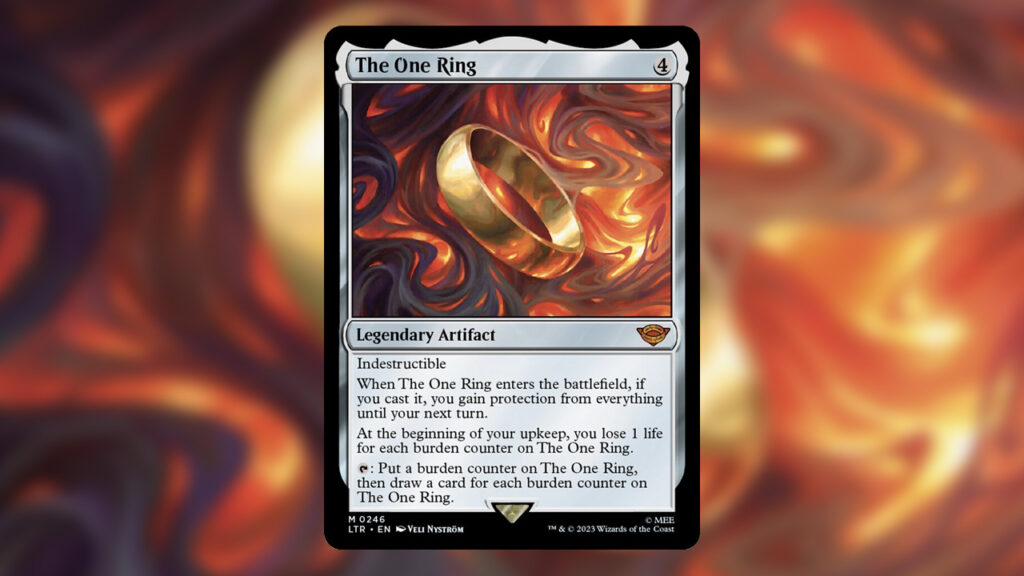
The One Ring
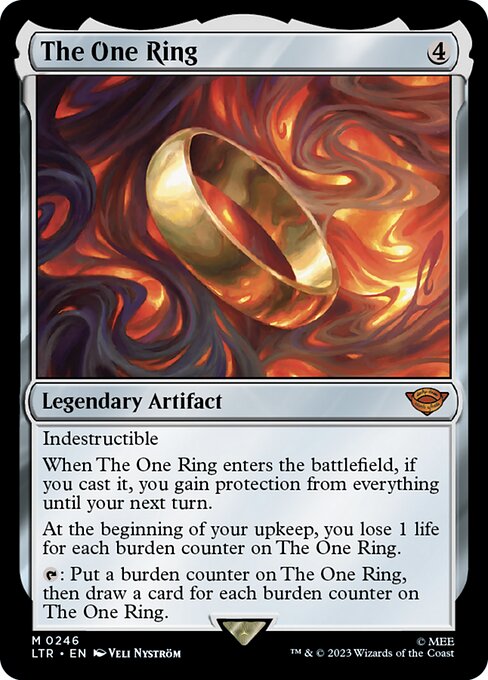 The One Ring
Indestructible
The One Ring
Indestructible
When The One Ring enters, if you cast it, you gain protection from everything until your next turn.
At the beginning of your upkeep, you lose 1 life for each burden counter on The One Ring.
{T}: Put a burden counter on The One Ring, then draw a card for each burden counter on The One Ring.
. In some games, using Ancient Tomb to power out The One Ring can be incredibly backbreaking for the opponent. Obviously, the card advantage that The One Ring provides can get you closer to executing your combos. However, you even get to dig for disruptive elements like
Force of Will
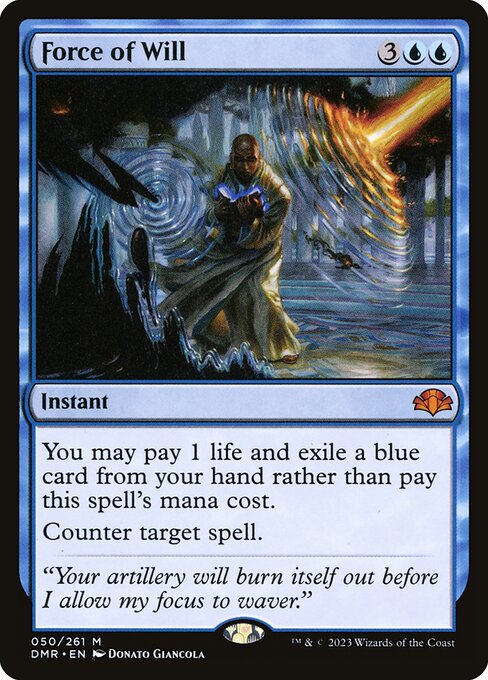 Force of Will
You may pay 1 life and exile a blue card from your hand rather than pay this spell's mana cost.
Force of Will
You may pay 1 life and exile a blue card from your hand rather than pay this spell's mana cost.
Counter target spell.
and
Veil of Summer
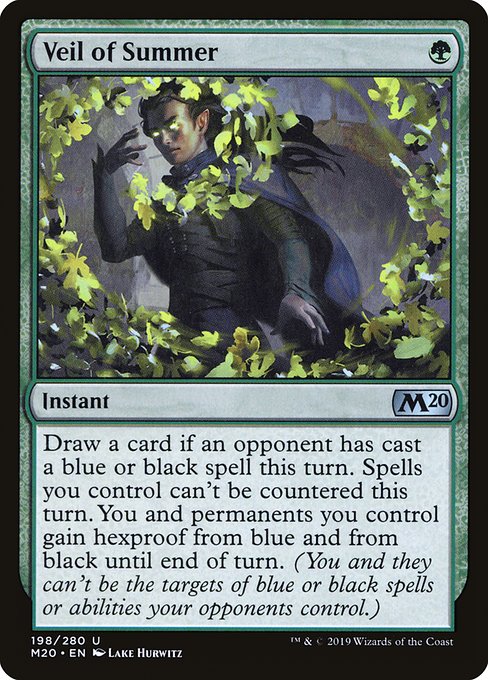 Veil of Summer
Draw a card if an opponent has cast a blue or black spell this turn. Spells you control can't be countered this turn. You and permanents you control gain hexproof from blue and from black until end of turn. (You and they can't be the targets of blue or black spells or abilities your opponents control.)
to push your combo through opposing pieces of interaction.
Veil of Summer
Draw a card if an opponent has cast a blue or black spell this turn. Spells you control can't be countered this turn. You and permanents you control gain hexproof from blue and from black until end of turn. (You and they can't be the targets of blue or black spells or abilities your opponents control.)
to push your combo through opposing pieces of interaction.
Read More: MTG Faeries Archetype Makes Waves in Modern on a Budget!
Strengths and Weaknesses
All in all, this deck’s ability to win the game immediately after getting Hive Mind in play or resolving Sudden Substitution is quite strong in a number of matchups. Non-blue decks like Goblins or Selesnya Depths can struggle to race your combos. Additionally, traditional hate pieces for combo shells in Legacy, such as
Chalice of the Void
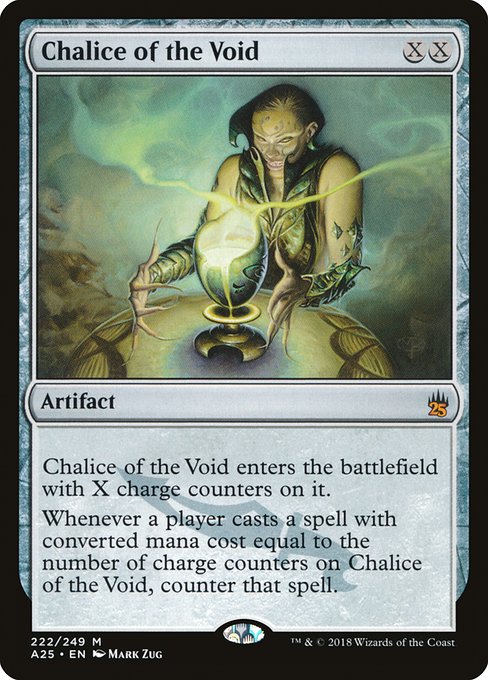 Chalice of the Void
This artifact enters with X charge counters on it.
Chalice of the Void
This artifact enters with X charge counters on it.
Whenever a player casts a spell with mana value equal to the number of charge counters on this artifact, counter that spell.
, aren’t as good as you might think.
Sure, your opponent can cast Chalice for X=0, but this won’t actually stop a Hive Mind kill. If you put Hive Mind into play and cast a Pact, you still force your opponent to make a copy. Your Pact will get countered via Chalice, but because your opponent’s is simply a copy that was never directly cast into Chalice, their copy will still resolve.
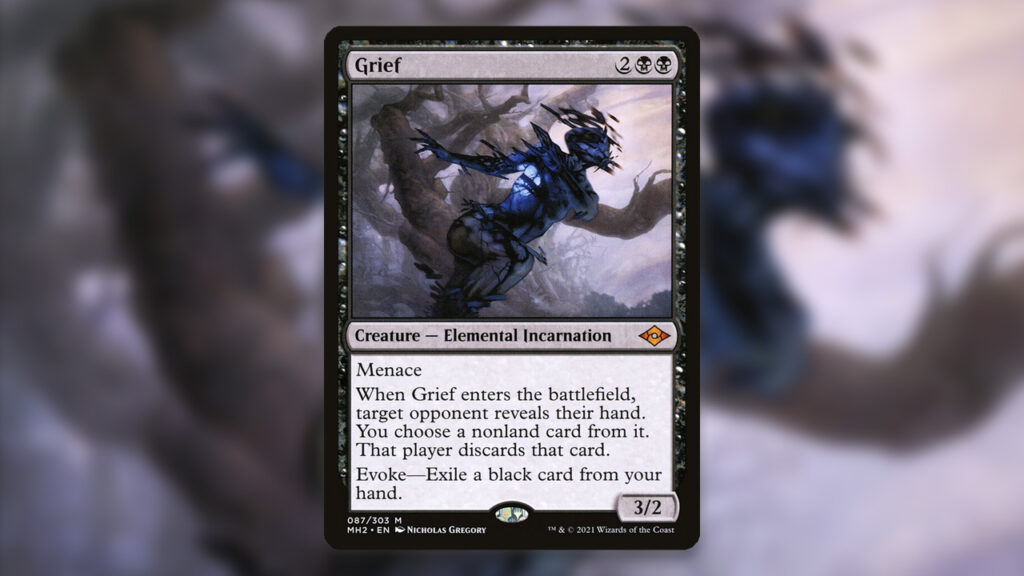
It’s also nice having two distinct ways to win with your Pacts. This helps add some redundancy to your deck that needs to execute a combo to win. This does have some downsides, though, is this deck is a little less streamlined. In matchups such as Dimir Reanimator, Grief can cause some major problems. When paired with Reanimate, your opponent can take multiple cards from your hand and strand you with dead combo pieces. Your Pacts do little to nothing when not paired with Sudden Substitution or Hive Mind, and rebuilding can be tough if you don’t find a cantrip or The One Ring.
In this sense, this deck definitely has some polarizing matchups. Playing a combo deck that doesn’t play out of the graveyard or get hosed by Chalice has its upsides. Even if it isn’t necessarily the strongest thing to be doing in Legacy, this deck is rather unique and can still compete with the best. Hive Mind has been largely nonexistent since the days of
Summer Bloom
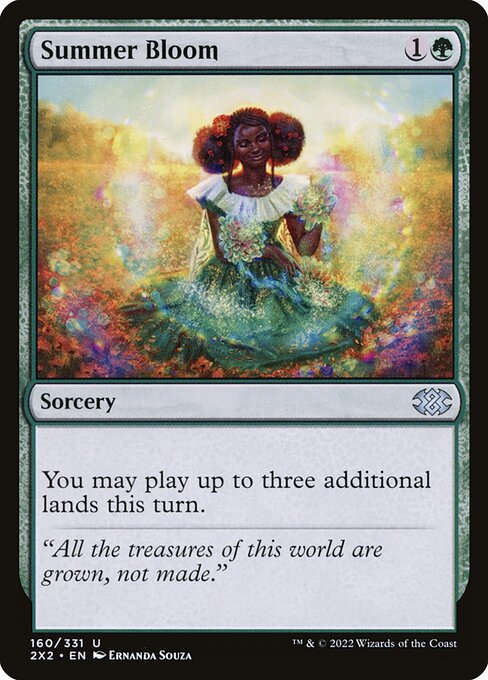 Summer Bloom
You may play up to three additional lands this turn.
in Modern, so seeing it make some noise in Legacy is cool to see.
Summer Bloom
You may play up to three additional lands this turn.
in Modern, so seeing it make some noise in Legacy is cool to see.
Read More: 3 Absurd MTG Fallout Infinite Combos!