
Outlaws of Thunder Junction is arriving soon and, after getting an initial glimpse at some of the cards and mechanics roughly a month ago, it’s safe to say that this set is quite unique. While there are still tons of cards yet to be spoiled, there’s a lot to look forward to. One of the most hyped-up parts of the set so far is surely the new Crime mechanic.
We’ve seen multiple cards previewed already that reward you for committing crimes in the world of MTG, such as a new Oko Planeswalker. Any time you target an opponent or any of their stuff (including their hand, graveyard, library, or spells on the stack), you successfully commit a crime. Given the wide range of powerful interaction available, achieving criminal status isn’t too difficult in MTG. Cards like
Thoughtseize
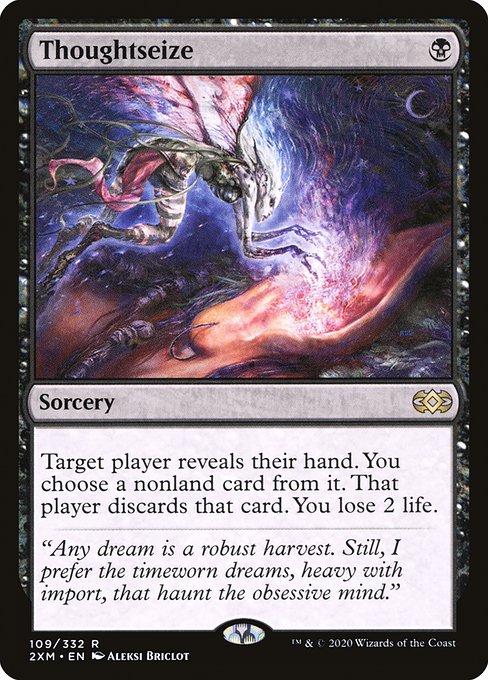 Thoughtseize
Target player reveals their hand. You choose a nonland card from it. That player discards that card. You lose 2 life.
provide players with simple and efficient ways to enable the Crime mechanic.
Thoughtseize
Target player reveals their hand. You choose a nonland card from it. That player discards that card. You lose 2 life.
provide players with simple and efficient ways to enable the Crime mechanic.
However, cards like
Oko, the Ringleader
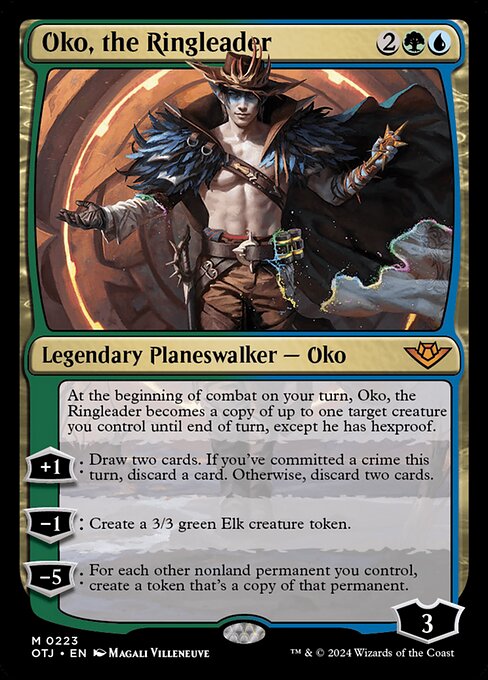 Oko, the Ringleader
At the beginning of combat on your turn, Oko becomes a copy of up to one target creature you control until end of turn, except he has hexproof.
Oko, the Ringleader
At the beginning of combat on your turn, Oko becomes a copy of up to one target creature you control until end of turn, except he has hexproof.
+1: Draw two cards. If you've committed a crime this turn, discard a card. Otherwise, discard two cards.
−1: Create a 3/3 green Elk creature token.
−5: For each other nonland permanent you control, create a token that's a copy of that permanent.
reward you for committing Crimes every turn cycle. As such, if you want to build a deck around the mechanic, you ideally want access to cards that repeatedly target something of the opponent’s turn after turn. Let’s take a closer look at some of the best engines to maximize the Crime mechanic, especially in a Commander setting.
Reliable Crime Enablers
For cards like
Duelist of the Mind
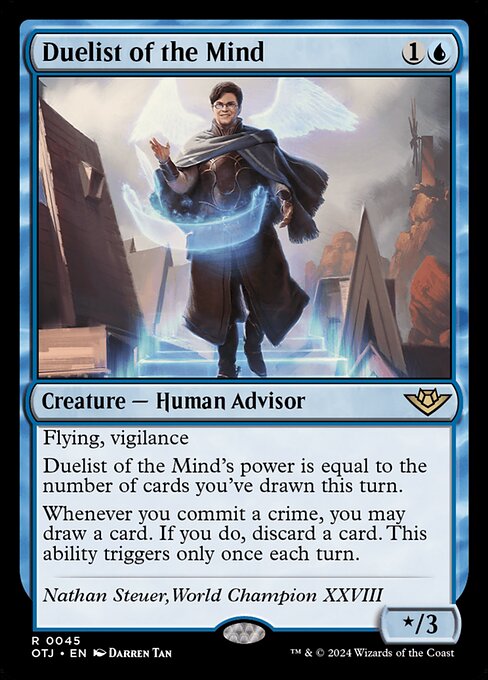 Duelist of the Mind
Flying, vigilance
Duelist of the Mind
Flying, vigilance
Duelist of the Mind's power is equal to the number of cards you've drawn this turn.
Whenever you commit a crime, you may draw a card. If you do, discard a card. This ability triggers only once each turn.
that provide a benefit each turn you are able to commit a Crime, it’s worthwhile utilizing cards that reliably enable the Crime mechanic at least once each turn cycle. For instance, cards like
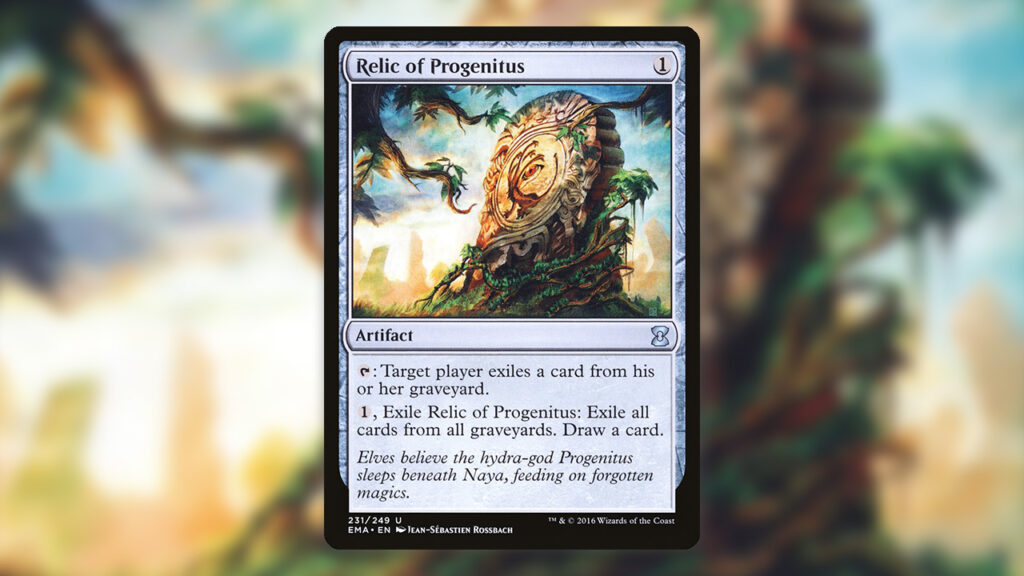
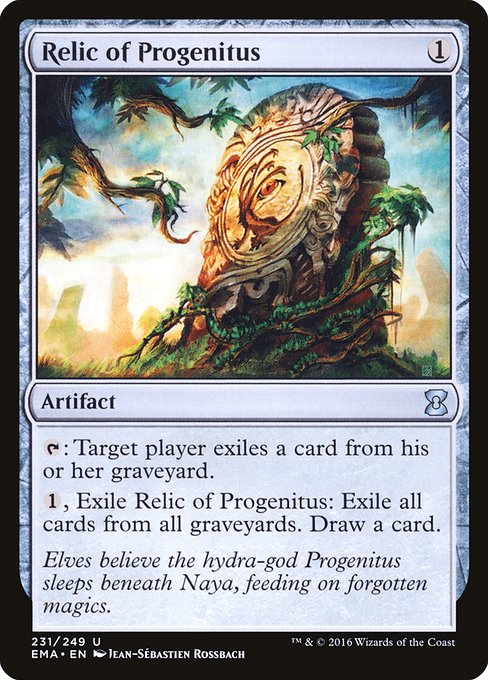
Relic of Progenitus
 Relic of Progenitus
{T}: Target player exiles a card from their graveyard.
Relic of Progenitus
{T}: Target player exiles a card from their graveyard.
{1}, Exile this artifact: Exile all graveyards. Draw a card.
are excellent in this regard. Relic is an interesting piece of graveyard hate that forces a player to exile a card from their graveyard when you tap it. Importantly, though, you are targeting a player each time you activate Relic.
This means that even if there are no cards in that player’s graveyard, you are still committing a Crime. Because Relic can be used at Instant speed, you can even trigger Duelist of the Mind on an opponent’s turn. There are tons of other cards that function similarly to Relic, letting you commit a Crime once per turn at Instant speed. Notable options include
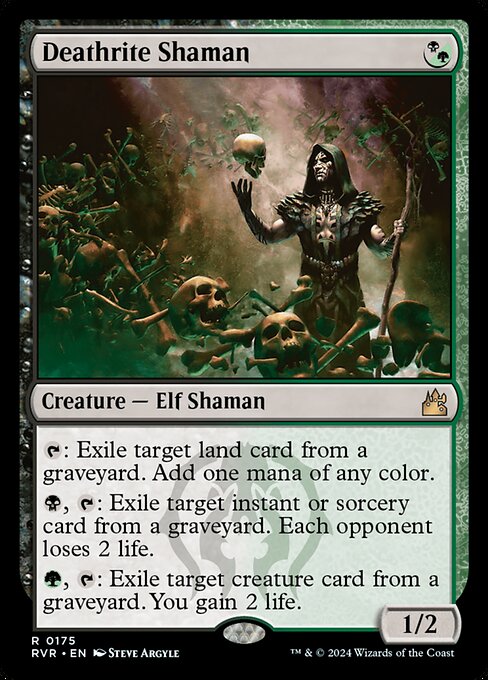
Deathrite Shaman
 Deathrite Shaman
{T}: Exile target land card from a graveyard. Add one mana of any color. (Activate only as an instant.)
Deathrite Shaman
{T}: Exile target land card from a graveyard. Add one mana of any color. (Activate only as an instant.)
{B}, {T}: Exile target instant or sorcery card from a graveyard. Each opponent loses 2 life.
{G}, {T}: Exile target creature card from a graveyard. You gain 2 life.
and
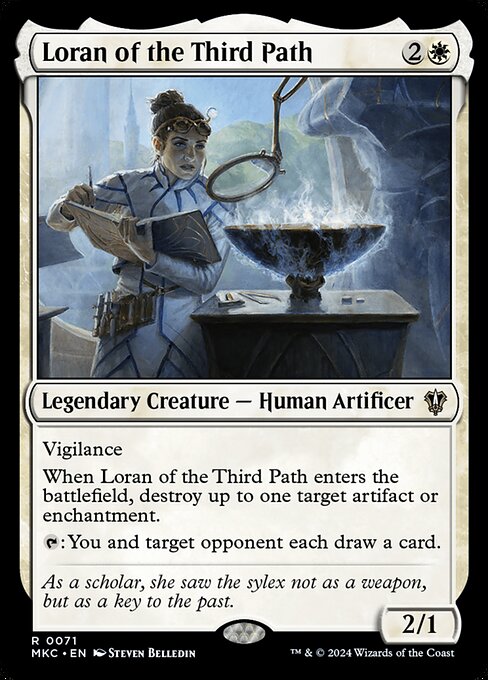
Loran of the Third Path
 Loran of the Third Path
Vigilance
Loran of the Third Path
Vigilance
When Loran enters, destroy up to one target artifact or enchantment.
{T}: You and target opponent each draw a card.
.
Even
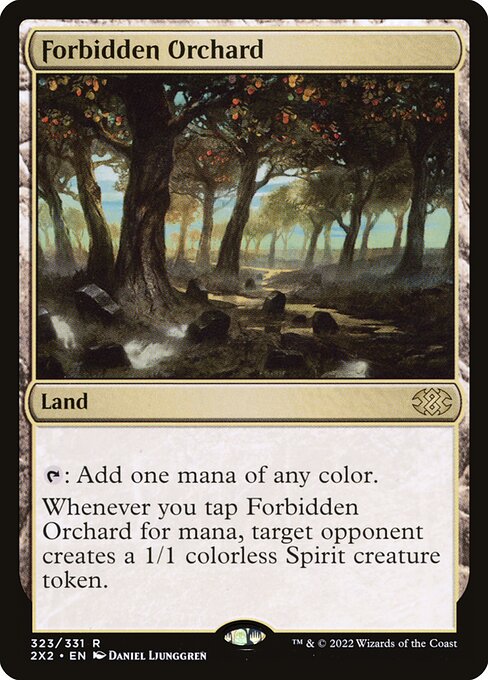
Forbidden Orchard
 Forbidden Orchard
{T}: Add one mana of any color.
Forbidden Orchard
{T}: Add one mana of any color.
Whenever you tap this land for mana, target opponent creates a 1/1 colorless Spirit creature token.
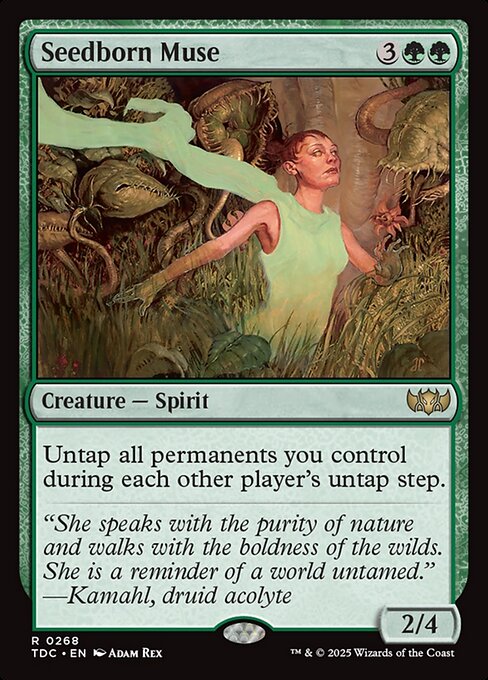
targets an opponent to give them a 1/1 when you tap it for mana. In a multiplayer EDH setting, it’s quite possible to get multiple of these types of cards out at once, letting you commit Crimes on everyone’s turns. Throw in
Seedborn Muse
 Seedborn Muse
Untap all permanents you control during each other player's untap step.
, and things can get out of control rather quickly.
Seedborn Muse
Untap all permanents you control during each other player's untap step.
, and things can get out of control rather quickly.
Read More: MTG Players Support Suggested Card Border Change
Going Above and Beyond
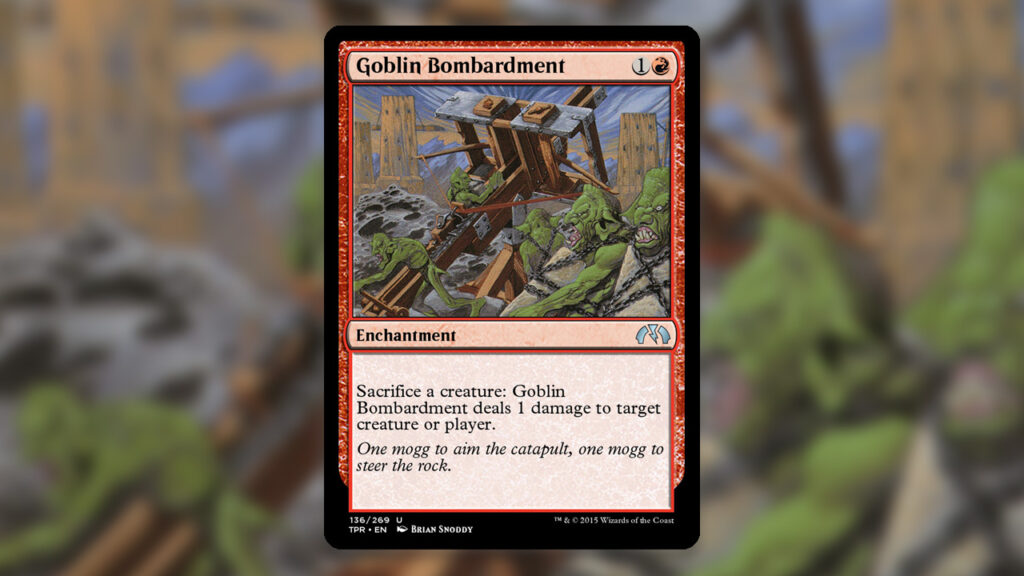
The one downside to cards like Relic listed above is that, without other cards in the mix, you are limited to one Crime commitment each turn cycle. This is because you have to tap them to target an opponent or some of their stuff. For Duelist of the Mind, whose looting ability notably triggers only once each turn, this isn’t a huge deal. However, in case there are other Thunder Junction cards that reward you each time you commit a Crime without a restriction, it’s worth highlighting designs that can lead to easily repeatable Crime sprees.
Goblin Bombardment is a classic example. If you have a lot of disposable tokens to sacrifice, you can start mowing down opposing Creatures while committing lots of Crimes in the process.
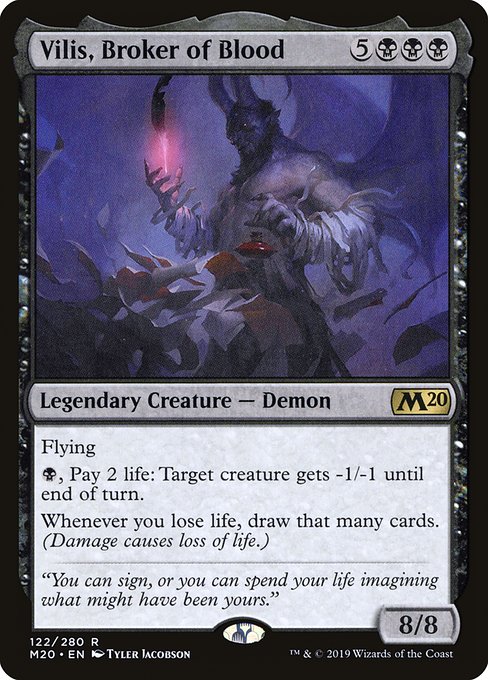
Vilis, Broker of Blood
 Vilis, Broker of Blood
Flying
Vilis, Broker of Blood
Flying
{B}, Pay 2 life: Target creature gets -1/-1 until end of turn.
Whenever you lose life, draw that many cards. (Damage causes loss of life.)
operates in a similar vein but forces you to pay a mana and two life rather than sacrifice a Creature. Meanwhile,
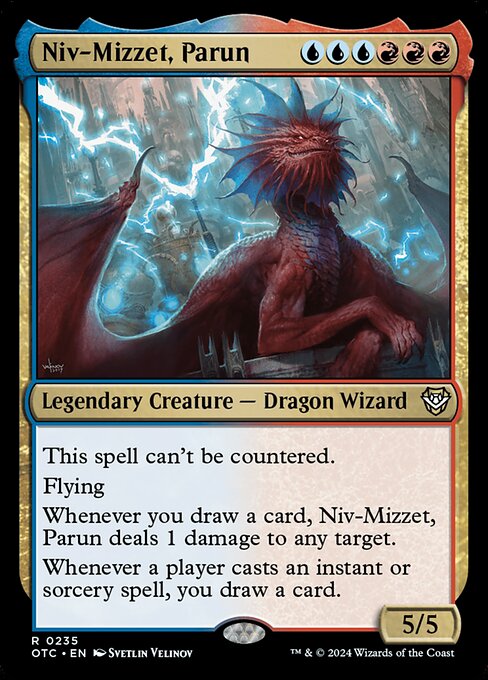
Niv-Mizzet, Parun
 Niv-Mizzet, Parun
This spell can't be countered.
Niv-Mizzet, Parun
This spell can't be countered.
Flying
Whenever you draw a card, Niv-Mizzet deals 1 damage to any target.
Whenever a player casts an instant or sorcery spell, you draw a card.
works incredibly well with Duelist of the Mind and allows you to commit a Crime every time anyone cast an Instant or Sorcery.
There are also a handful of red cards that tap to deal damage to an opponent but get to untap if you meet specific criteria. Unfortunately,
Thermo-Alchemist
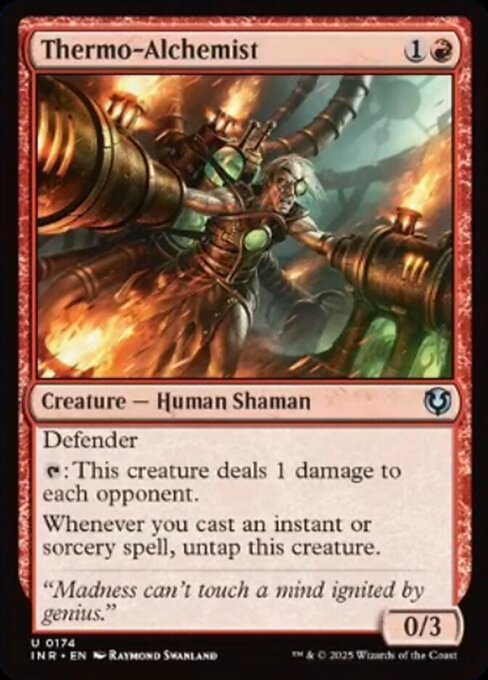 Thermo-Alchemist
Defender
Thermo-Alchemist
Defender
{T}: This creature deals 1 damage to each opponent.
Whenever you cast an instant or sorcery spell, untap this creature.
doesn’t work with the Crime mechanic, since it doesn’t target an opponent.
Cinder Pyromancer
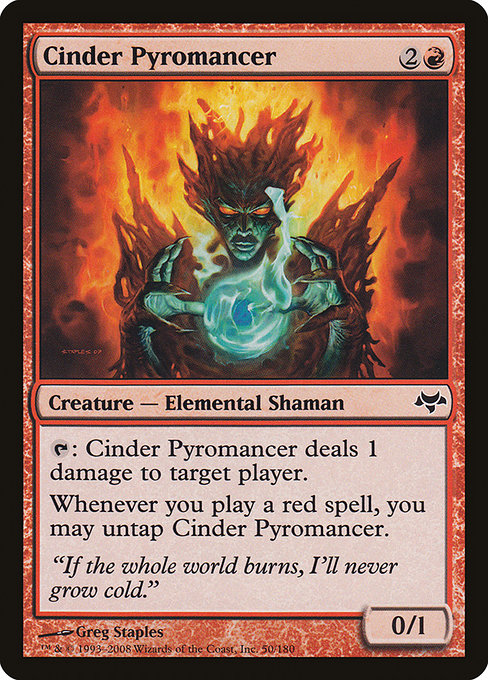 Cinder Pyromancer
{T}: This creature deals 1 damage to target player or planeswalker.
Cinder Pyromancer
{T}: This creature deals 1 damage to target player or planeswalker.
Whenever you cast a red spell, you may untap this creature.
and
Chandra, Fire of Kaladesh
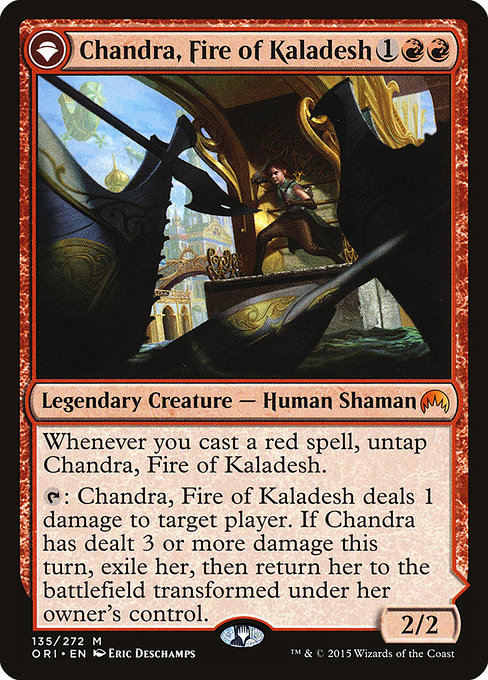 Chandra, Fire of Kaladesh
Whenever you cast a red spell, untap Chandra.
Chandra, Fire of Kaladesh
Whenever you cast a red spell, untap Chandra.
{T}: Chandra deals 1 damage to target player or planeswalker. If Chandra has dealt 3 or more damage this turn, exile her, then return her to the battlefield transformed under her owner's control.
, though, do work well in this regard.
Read More: Unique MTG Deck Forces Opponents to Copy Game-Losing Spells in Eternal Format!
Infinite Targets
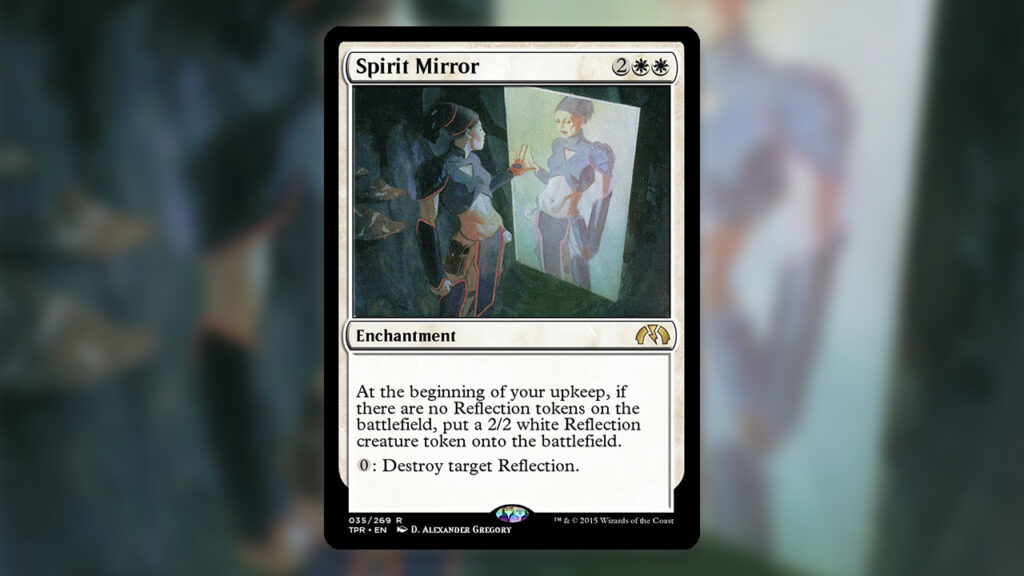
Going a step further, there are also a few ways to set up the ability to infinitely target something of your opponent. Obviously, many infinite combos win the game on their own, so we will be focusing on ways to commit Crimes an infinite number of times without outright ending the game. See, there are a few cards throughout MTG’s history that have an activated ability that costs zero mana and can target some of an opponent’s stuff.
Take Spirit Mirror, for example. If your opponent controls a Reflection, you can pay zero mana to destroy it. By holding priority, you can actually activate this ability as many times as you want. You simply respond to your own activation before the initial activation resolves and the Reflection is gone. In this case, you just need a way to make sure an opponent controls a Reflection, which
Unnatural Selection
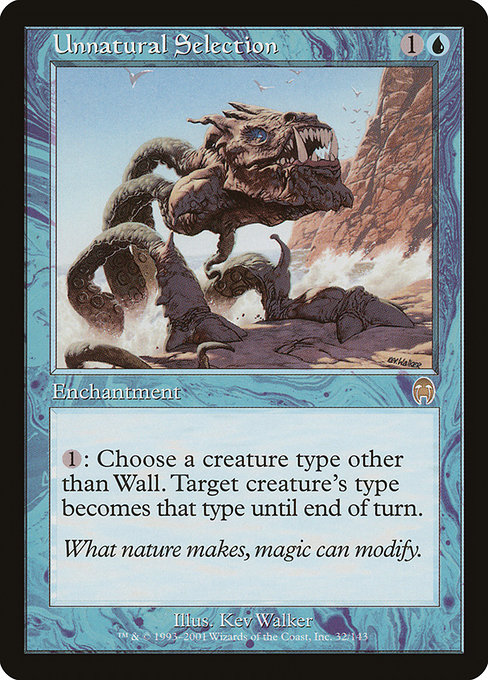 Unnatural Selection
{1}: Choose a creature type other than Wall. Target creature becomes that type until end of turn.
accomplishes just fine.
Unnatural Selection
{1}: Choose a creature type other than Wall. Target creature becomes that type until end of turn.
accomplishes just fine.
Another example of zero mana activated ability that can lead to infinite Crimes is
Eater of the Dead
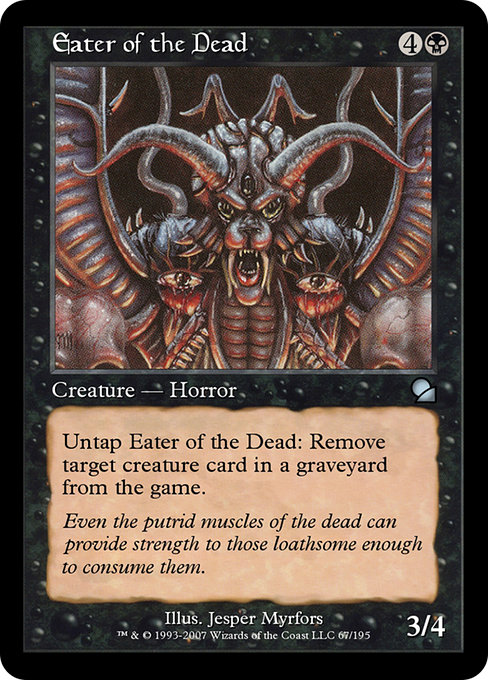 Eater of the Dead
{0}: If this creature is tapped, exile target creature card from a graveyard and untap this creature.
. Eater of the Dead is a strange card with a free activated ability letting you exile a Creature from an opponent’s graveyard to untap it. Once untapped, the activated ability does nothing. However, much like with Spirit Mirror, you can target the same card in an opponent’s graveyard over and over.
Eater of the Dead
{0}: If this creature is tapped, exile target creature card from a graveyard and untap this creature.
. Eater of the Dead is a strange card with a free activated ability letting you exile a Creature from an opponent’s graveyard to untap it. Once untapped, the activated ability does nothing. However, much like with Spirit Mirror, you can target the same card in an opponent’s graveyard over and over.
It’s not entirely clear yet how useful these interactions will be until more spoilers start coming out of the woodworks. Still, with the Crime mechanic being a focal point of Outlaws of Thunder Junction, it’s certainly important to explore the possibilities that it brings. If you’re a fan of these new Crime-focused cards, definitely keep your eyes peeled for other cool and amusing interactions.