
One of the most exciting times in Magic: the Gathering is preview season. When a new set comes out, getting to see the new cards and plan new decks around them is such a fun exercise, whether it’s for casual or competitive play. An inevitable part of preview season is evaluating new cards. One of Magic‘s most accomplished Pros, Paulo Vitor Damo da Rosa (PVDDR), put out a video today on YouTube talking about how he evaluates cards in a new set. We’ll break the video down a bit into it’s parts so you can start evaluating cards like a pro!
3 Types of Cards to Evaluate
PVDDR goes through a few different examples of types of cards that he starts evaluating when a new set is spoiled. First off is broken cards, second is the set’s themes, and 3rd are cards that fit into existing decks.
Evaluating Broken Cards
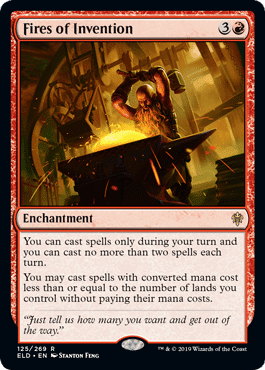
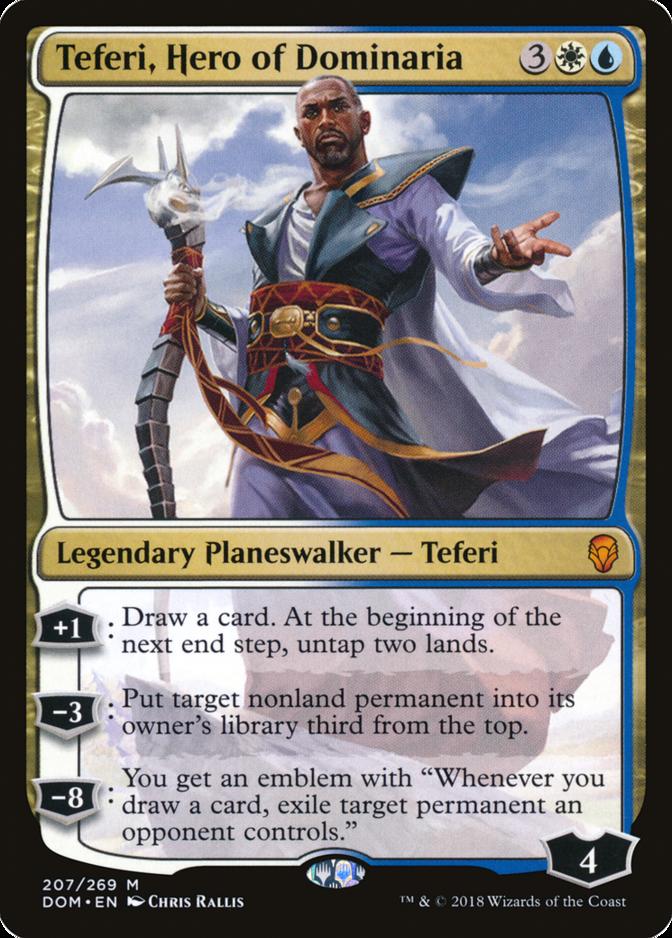
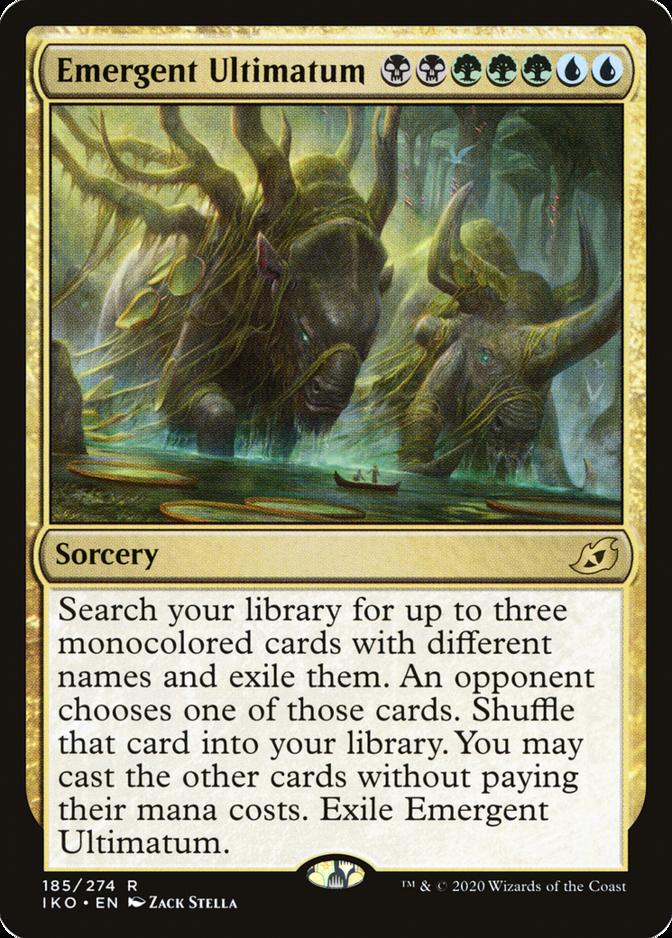
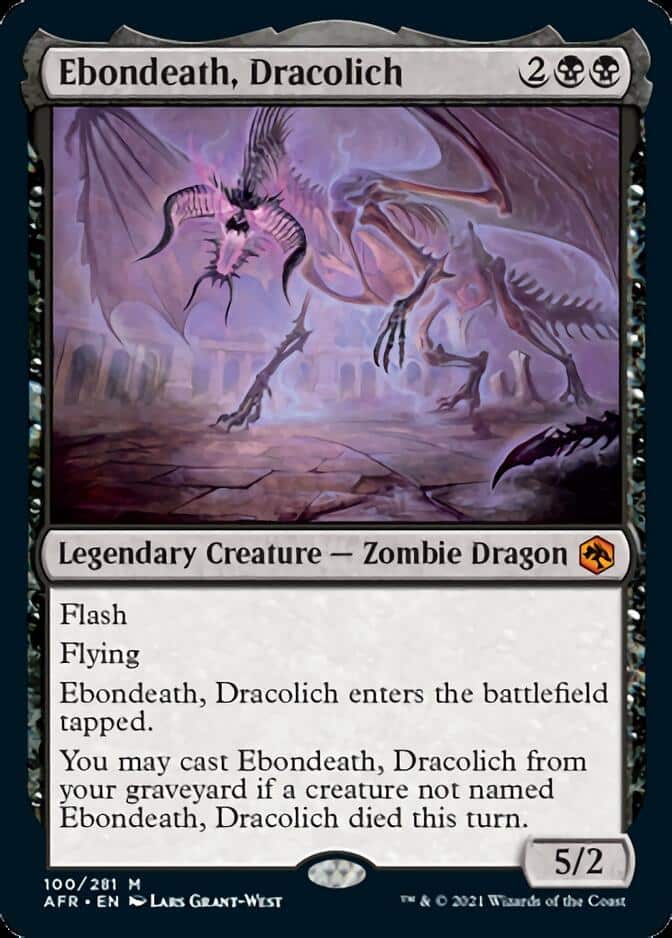
The first set of cards that we should be looking at are the “broken” cards that spawn a new archetype. How do we identify “broken” cards? This is actually a bit easier to do than it would seem. PVDDR points out that there’s characteristics of broken cards in the past that we can look for in new cards. Examples of this are cards that cheat on mana, cards that can draw a lot of cards, and cards that can be cast from the graveyard. A few examples of this are
Fires of Invention
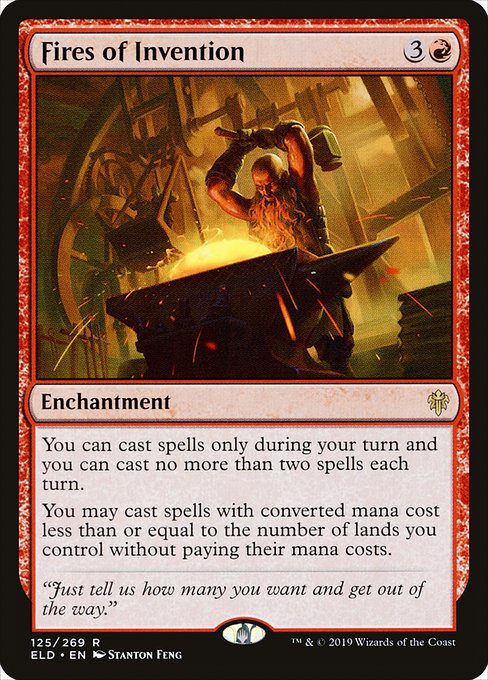 Fires of Invention
You can cast spells only during your turn and you can cast no more than two spells each turn.
Fires of Invention
You can cast spells only during your turn and you can cast no more than two spells each turn.
You may cast spells with mana value less than or equal to the number of lands you control without paying their mana costs.
,
Teferi, Hero of Dominaria
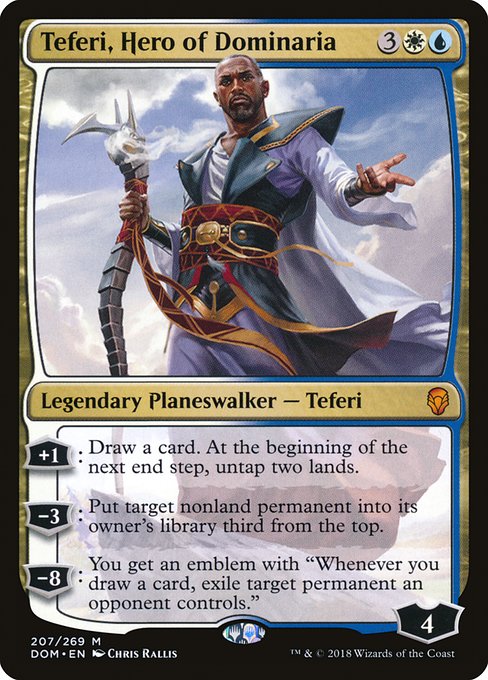 Teferi, Hero of Dominaria
+1: Draw a card. At the beginning of the next end step, untap up to two lands.
Teferi, Hero of Dominaria
+1: Draw a card. At the beginning of the next end step, untap up to two lands.
−3: Put target nonland permanent into its owner's library third from the top.
−8: You get an emblem with "Whenever you draw a card, exile target permanent an opponent controls."
and
Emergent Ultimatum
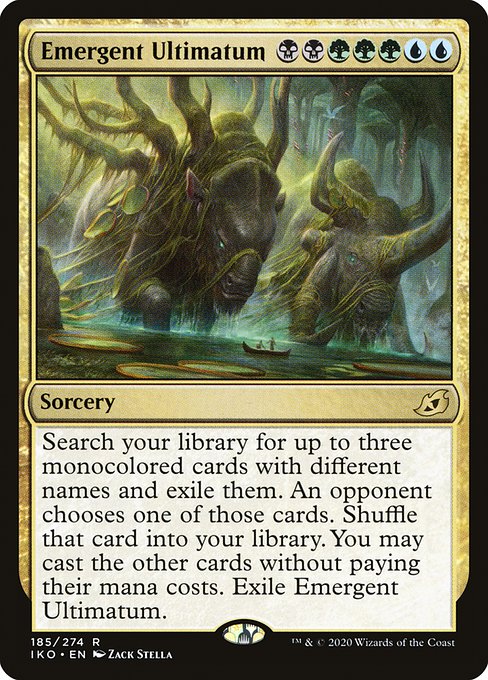 Emergent Ultimatum
Search your library for up to three monocolored cards with different names and exile them. An opponent chooses one of those cards. Shuffle that card into your library. You may cast the other cards without paying their mana costs. Exile Emergent Ultimatum.
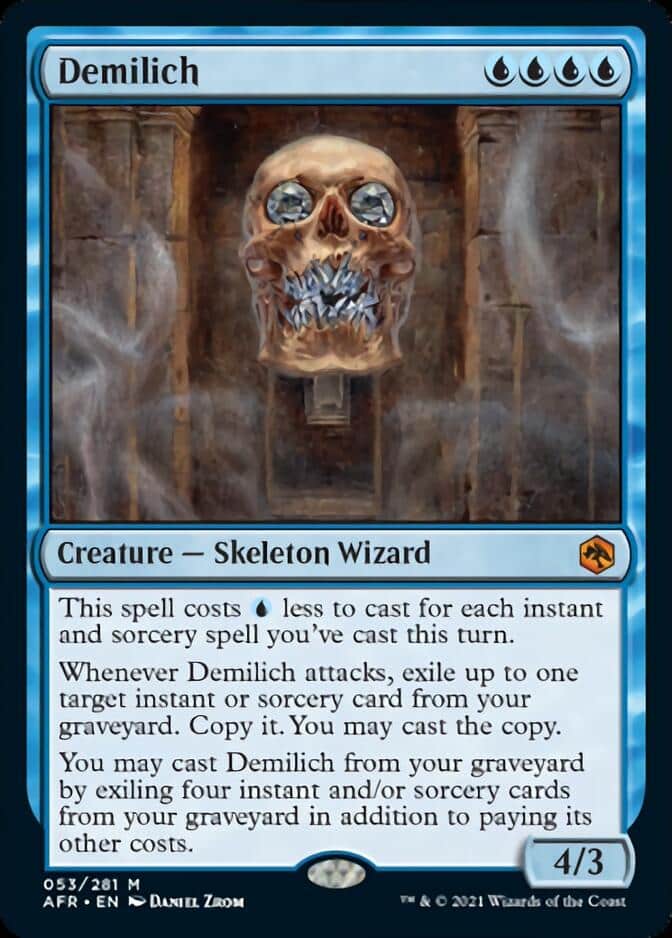
. A few cards that are mentioned from Adventures in the Forgotten Realms that fit this category are Demilichp and
Ebondeath, Dracolich
Emergent Ultimatum
Search your library for up to three monocolored cards with different names and exile them. An opponent chooses one of those cards. Shuffle that card into your library. You may cast the other cards without paying their mana costs. Exile Emergent Ultimatum.
. A few cards that are mentioned from Adventures in the Forgotten Realms that fit this category are Demilichp and
Ebondeath, Dracolich
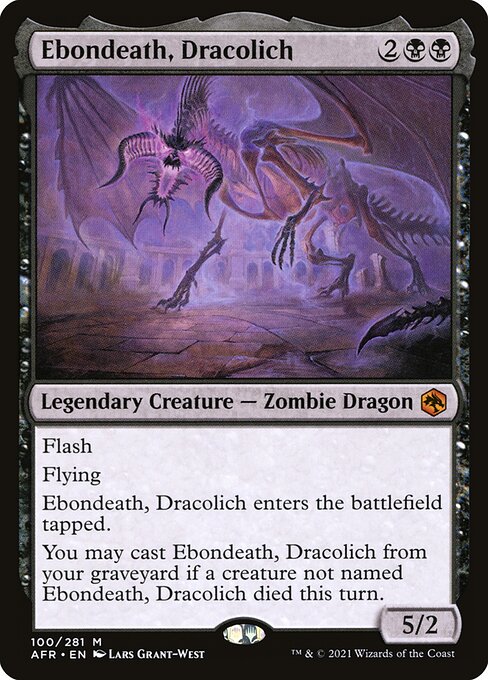 Ebondeath, Dracolich
Flash
Ebondeath, Dracolich
Flash
Flying
Ebondeath enters tapped.
You may cast this card from your graveyard if a creature not named Ebondeath, Dracolich died this turn.
.
Evaluating Set Themes
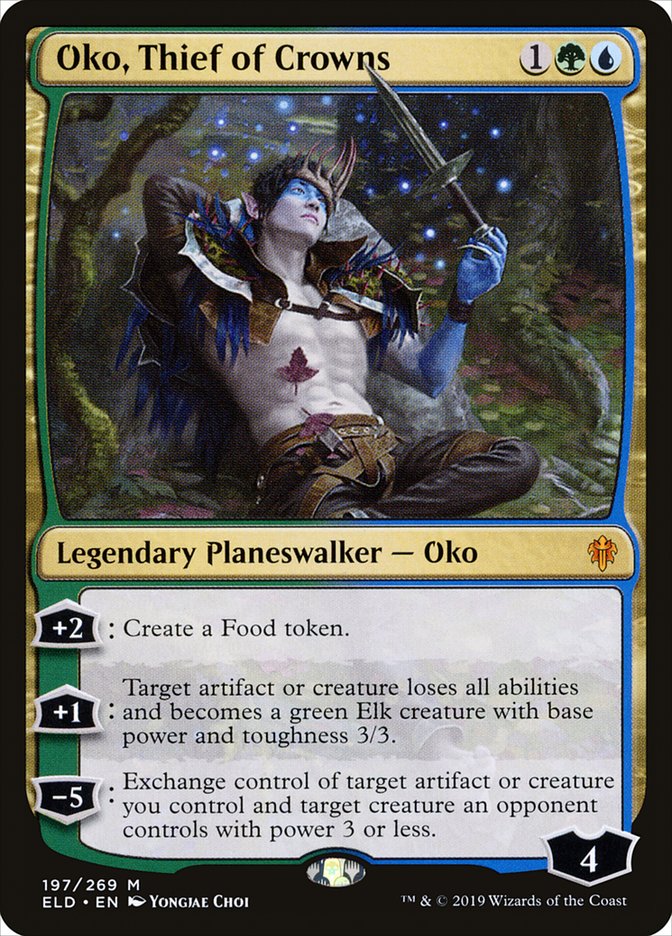
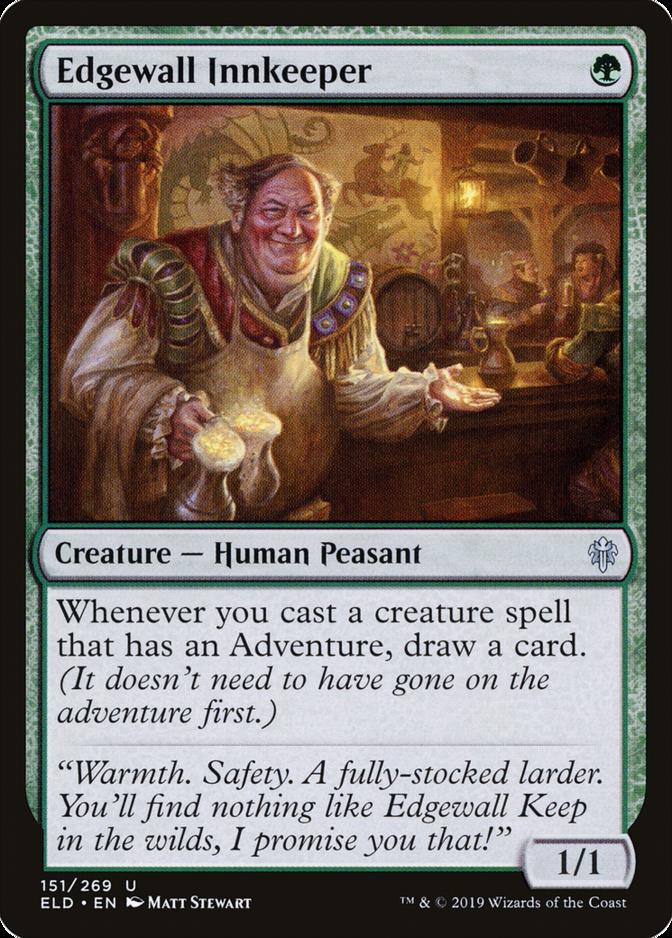
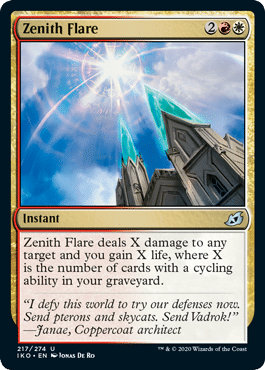
The next set of cards that we can look at are the set themes. In the recent past, set themes have basically had decks pre constructed for them, meaning that if you include a bunch of the cards that have that theme in the deck, the deck usually does very well. Examples of this that PVDDR gives are Food and Adventures from Throne of Eldraine, and Cycling from Ikoria, Lair of Behemoths. In Forgotten Realms the set themes we have to work with are Venturing into the Dungeon, Dice Rolling, and Treasures. PVDDR states that while he doesn’t really think that dice rolling is going to be good at all, he’s going to test venturing, and definitely look to test treasures.
Evaluating Cards for Existing Decks
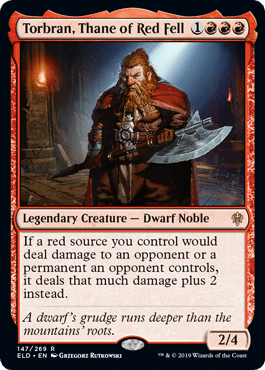
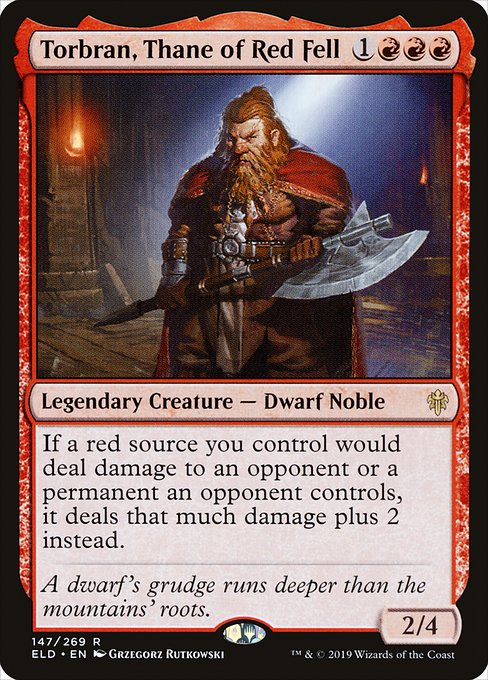
The last set of cards that we can look to evaluate are cards that slot into existing decks. For this, we can ask ourselves a couple of questions to figure out whether or not a card is good to go into an existing deck. The first is “Is this card a better version of an existing card in the deck?” The example that they gave here was that for Mono Red, if there’s a better
Torbran, Thane of Red Fell
 Torbran, Thane of Red Fell
If a red source you control would deal damage to an opponent or a permanent an opponent controls, it deals that much damage plus 2 instead.
that was a 3/4, then that would be a slightly better version of the card. It’s not going to warp a format, but it could definitely be worth considering.
Torbran, Thane of Red Fell
If a red source you control would deal damage to an opponent or a permanent an opponent controls, it deals that much damage plus 2 instead.
that was a 3/4, then that would be a slightly better version of the card. It’s not going to warp a format, but it could definitely be worth considering.
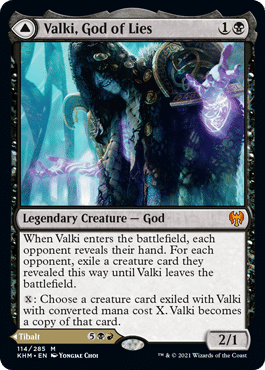
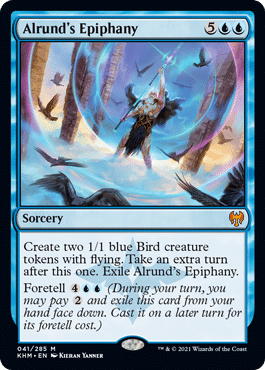
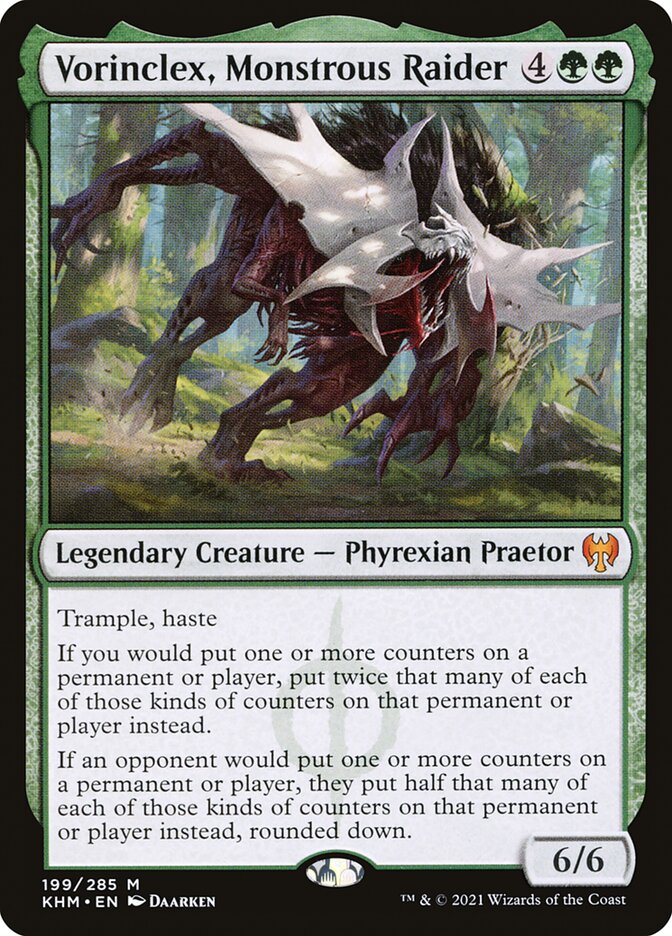
The second question that you should ask is “Does this card address a problem that the deck was having before?” The example of this are with
Emergent Ultimatum
Emergent Ultimatum
Search your library for up to three monocolored cards with different names and exile them. An opponent chooses one of those cards. Shuffle that card into your library. You may cast the other cards without paying their mana costs. Exile Emergent Ultimatum.
. When the card came out, the card didn’t make a splash, even though it was a potentially broken card. It wasn’t until cards like
Valki, God of Lies
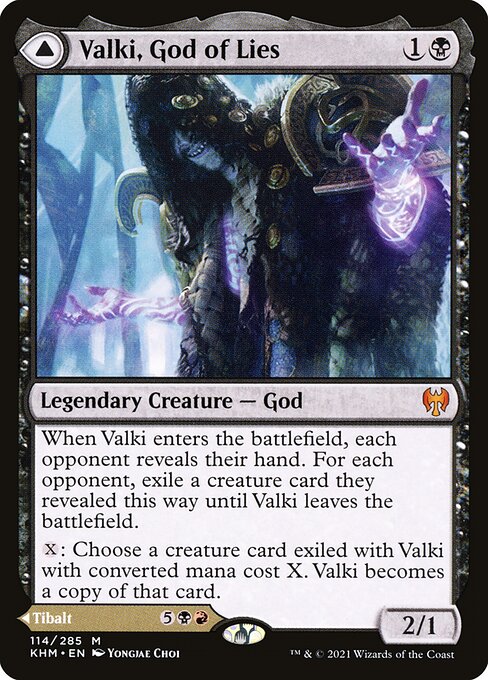 Valki, God of Lies
When Valki enters, each opponent reveals their hand. For each opponent, exile a creature card they revealed this way until Valki leaves the battlefield.
Valki, God of Lies
When Valki enters, each opponent reveals their hand. For each opponent, exile a creature card they revealed this way until Valki leaves the battlefield.
{X}: Choose a creature card exiled with Valki with mana value X. Valki becomes a copy of that card.
,
Alrund’s Epiphany
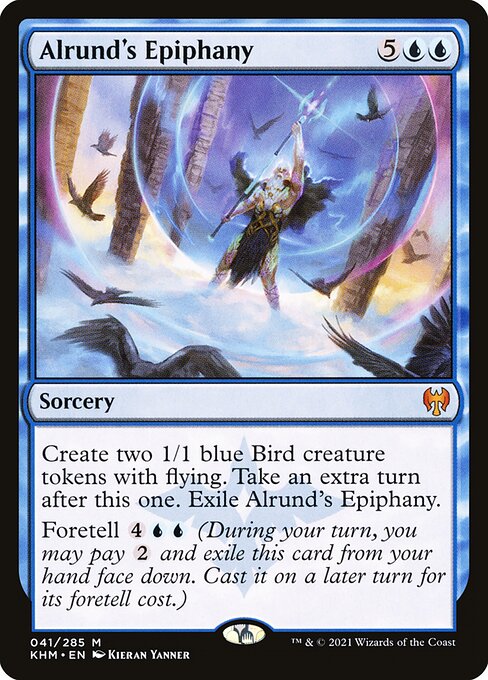 Alrund’s Epiphany
Create two 1/1 blue Bird creature tokens with flying. Take an extra turn after this one. Exile Alrund's Epiphany.
Alrund’s Epiphany
Create two 1/1 blue Bird creature tokens with flying. Take an extra turn after this one. Exile Alrund's Epiphany.
Foretell {4}{U}{U} (During your turn, you may pay {2} and exile this card from your hand face down. Cast it on a later turn for its foretell cost.)
, and
Vorinclex, Monstrous Raider
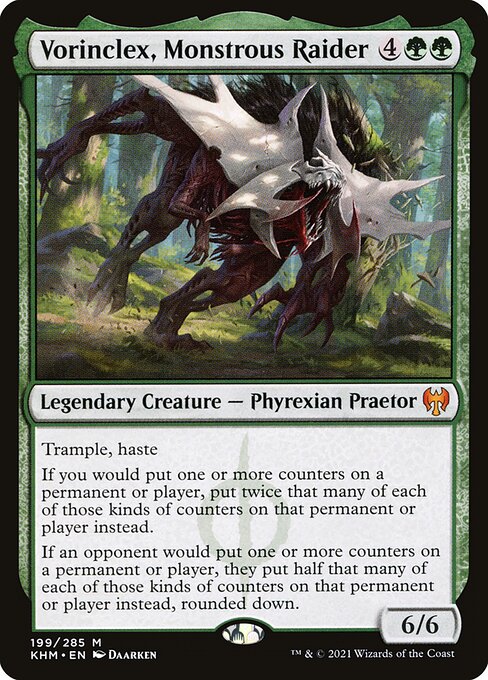 Vorinclex, Monstrous Raider
Trample, haste
Vorinclex, Monstrous Raider
Trample, haste
If you would put one or more counters on a permanent or player, put twice that many of each of those kinds of counters on that permanent or player instead.
If an opponent would put one or more counters on a permanent or player, they put half that many of each of those kinds of counters on that permanent or player instead, rounded down.
that the card realized the broken potential. It’s now one of the best decks in the current standard format.
READ MORE: The 10 Best Forgotten Realms MTG Historic Cards
Testing New Cards
Now that we’ve established which cards we should be evaluating, how do we go about testing them? Paulo’s method is to play as many copies of the card as possible, and build a decks to support the card. I got to talk with Paulo and one thing he mentioned to me that he didn’t mention in the video was really to maximize the cards you’re testing in the best case scenarios, but one pitfall to try and avoid is “If the card works in the best case scenario, still consider that it might not work in a more realistic meta scenario”, or rather, don’t tunnel on the card working in the best case. This leads to the next point that he makes.
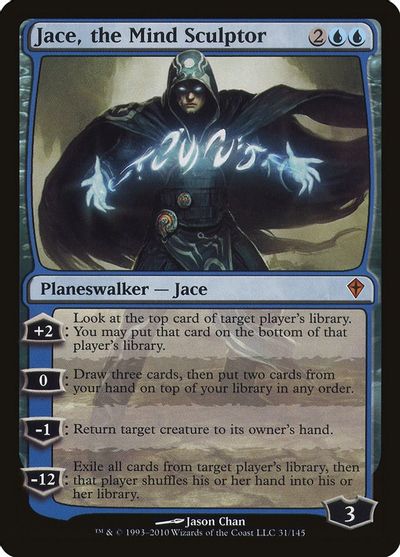
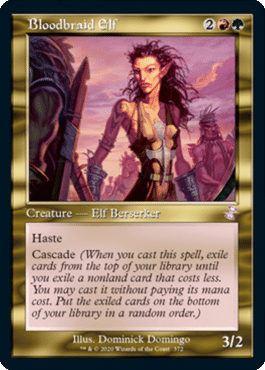
If after testing, a card doesn’t work, ask yourself why it didn’t work. There’s a couple things to consider. First is that the card just wasn’t as good as you thought. The second could be that there isn’t enough supporting cards in the format for the card to be good. The third is that the format could be incredibly hostile towards the card. In the second and third scenarios, it’s a good idea to not forget about the card. Formats change all the time with new cards coming in, cards rotating out, or cards getting banned. Whenever these things happen, it’s a great time to revisit some of the cards you’ve tested and try them again to see if they will be good. A great example of this is with
Jace, the Mind Sculptor
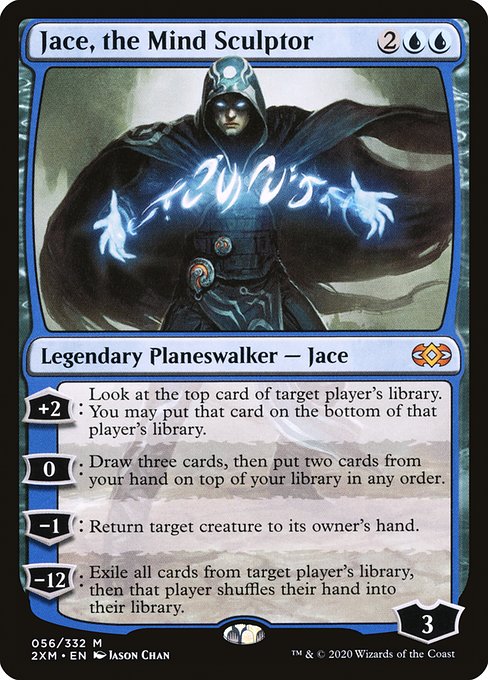 Jace, the Mind Sculptor
+2: Look at the top card of target player's library. You may put that card on the bottom of that player's library.
Jace, the Mind Sculptor
+2: Look at the top card of target player's library. You may put that card on the bottom of that player's library.
0: Draw three cards, then put two cards from your hand on top of your library in any order.
−1: Return target creature to its owner's hand.
−12: Exile all cards from target player's library, then that player shuffles their hand into their library.
. When Jace was released, he didn’t see a ton of play because
Bloodbraid Elf
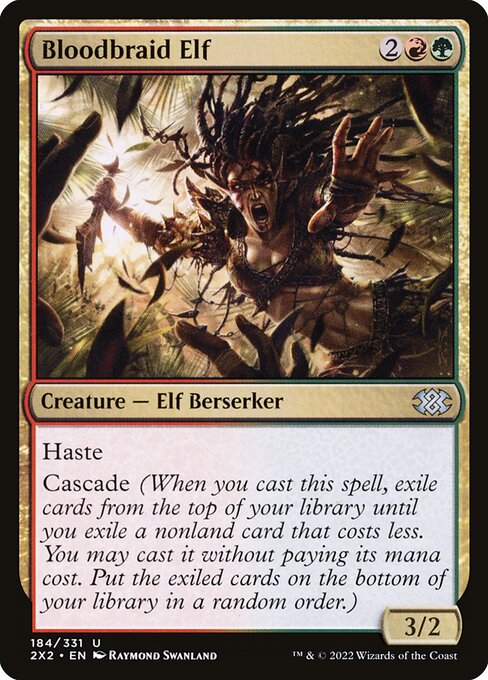 Bloodbraid Elf
Haste (This creature can attack and {T} as soon as it comes under your control.)
Bloodbraid Elf
Haste (This creature can attack and {T} as soon as it comes under your control.)
Cascade (When you cast this spell, exile cards from the top of your library until you exile a nonland card that costs less. You may cast it without paying its mana cost. Put the exiled cards on the bottom in a random order.)
was a heavily played card in the format, and matched up really well against Jace. When Bloodbraid Elf rotated out of Standard, Jace’s broken potential was realized.
READ MORE: These 3 Decks Are Must Try For Standard 2022 On Magic Arena
This is great insight from PVDDR and a huge shout out to him for sharing such great information with the world! What are your thoughts on this evaluation process? What do you do to evaluate cards when new sets release? Let us know in the comments!