
Pro Tour Lord of the Rings has finally concluded, and there’s a lot to take away from the event. Rakdos Scam not only occupied nearly 20% of the room, but it also managed to take down the event. This is in spite of putting only way player into the top eight! The most played MTG card at the event was none other than
The One Ring
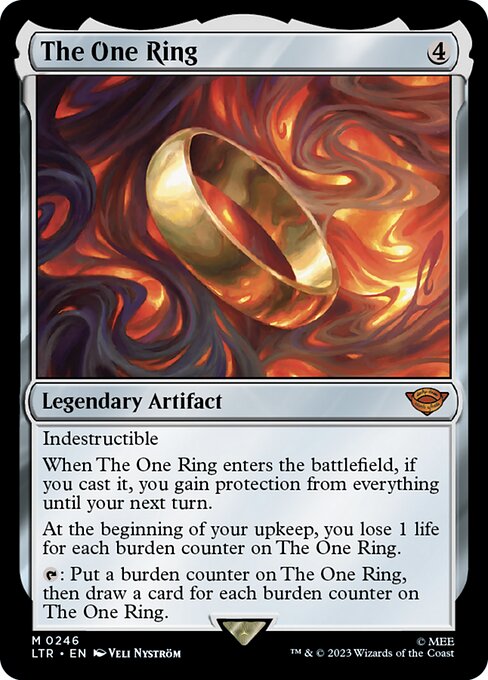 The One Ring
Indestructible
The One Ring
Indestructible
When The One Ring enters, if you cast it, you gain protection from everything until your next turn.
At the beginning of your upkeep, you lose 1 life for each burden counter on The One Ring.
{T}: Put a burden counter on The One Ring, then draw a card for each burden counter on The One Ring.
. The colorless Artifact continues to dominate and warp the metagame around it.
While this may not sound like an entirely healthy Modern metagame, there was at least a decent amount of innovation within players’ decklists. Even well-established archetypes have been forced to adjust to the powerful Lord of the Rings and Modern Horizons Two cards that have put a stranglehold on Modern.
Even with Rakdos Scam being the most played deck in the room by far, it still accounted for less than a fifth of the room, meaning many players still collectively brought lots of different styles of decks to the Pro Tour. Many players expected Rakdos Scam and decks featuring The One Ring to be quite popular. As a result, many players made a handful of important adjustments within top-tier archetypes to better prepare themselves against the most popular decks in the field. Some players even came with unique archetypes skewed to beat the best decks. Today, we will be looking at these various adjustments that performed well and why they were successful.
Preparing for Rakdos Scam
While Rakdos saw a lot of play at the Pro Tour, this didn’t come as much of a surprise to many players. Some of the best performing non-Rakdos decklists geared themselves relatively heavily towards fighting the archetype. For example, one of the best performing decks in the event was mono-green Tron. Tron generally has had a weak matchup against Rakdos. The combination of a quick clock, discard spells like
Thoughtseize
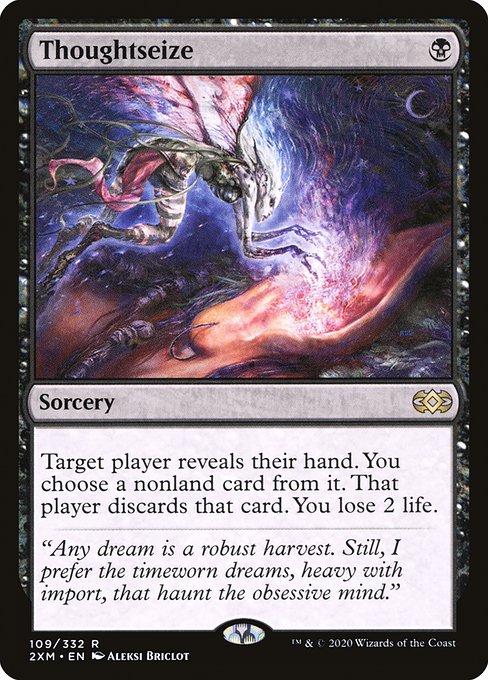 Thoughtseize
Target player reveals their hand. You choose a nonland card from it. That player discards that card. You lose 2 life.
, and some hate cards like
Blood Moon
Thoughtseize
Target player reveals their hand. You choose a nonland card from it. That player discards that card. You lose 2 life.
, and some hate cards like
Blood Moon
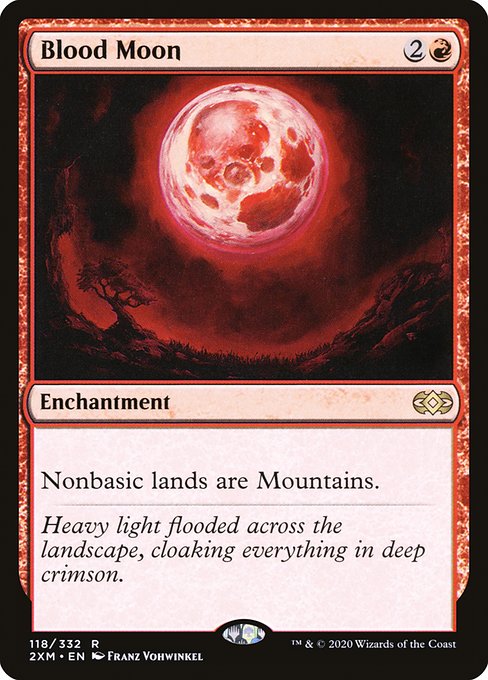 Blood Moon
Nonbasic lands are Mountains.
could pose a major problem for Tron players in general.
Blood Moon
Nonbasic lands are Mountains.
could pose a major problem for Tron players in general.
Interestingly, two of the three players that made top eight of the Pro Tour played multiple copies of Dismember in the maindeck. While this may seem like a minor change, it helps beat Rakdos’ fastest draws. Without Dismember, the combination of
Fury
 Fury
Double strike
Fury
Double strike
When this creature enters, it deals 4 damage divided as you choose among any number of target creatures and/or planeswalkers.
Evoke—Exile a red card from your hand.
and
Feign Death
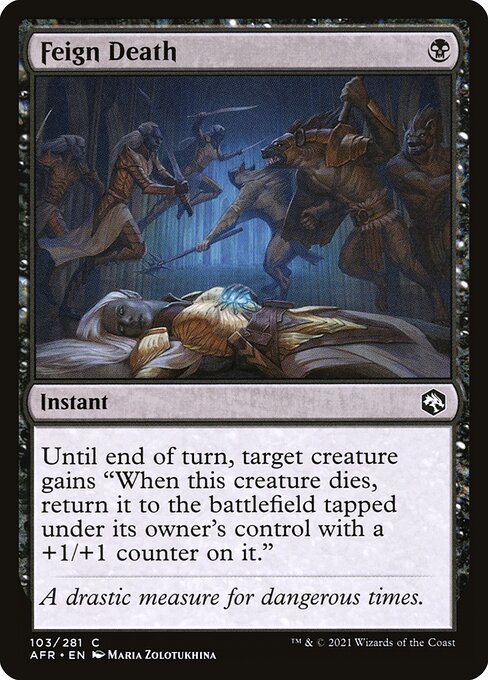 Feign Death
Until end of turn, target creature gains "When this creature dies, return it to the battlefield tapped under its owner's control with a +1/+1 counter on it."
turn one from Rakdos could simply be too much to overcome, especially on the draw.
Feign Death
Until end of turn, target creature gains "When this creature dies, return it to the battlefield tapped under its owner's control with a +1/+1 counter on it."
turn one from Rakdos could simply be too much to overcome, especially on the draw.
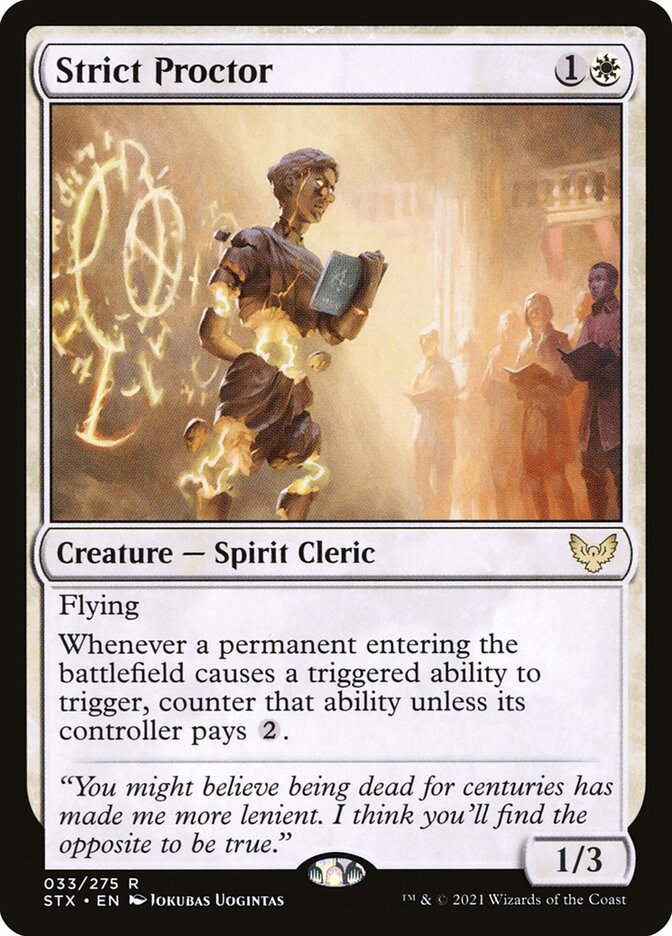
Some players went even deeper to try to minimize the archetype. The best performing Hammer Time player with a Modern record of eight wins and two losses made some unique deckbuilding decisions out of the sideboard, including playing three copies of Strict Proctor. Strict Proctor not only taxes the Evoke Elementals, but it also affects
Orcish Bowmasters
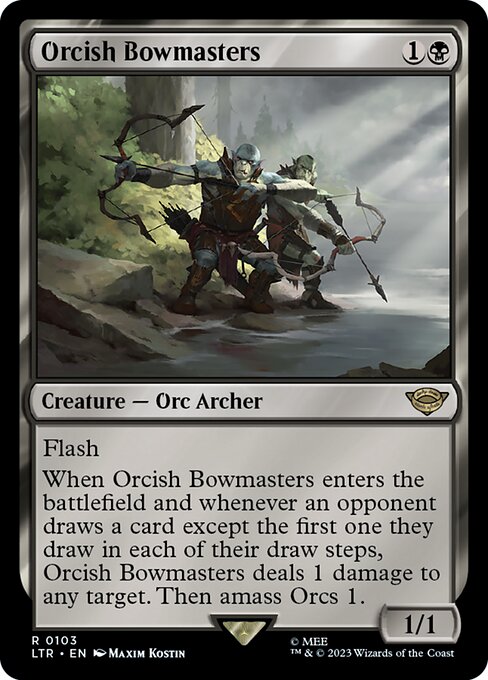 Orcish Bowmasters
Flash
Orcish Bowmasters
Flash
When this creature enters and whenever an opponent draws a card except the first one they draw in each of their draw steps, this creature deals 1 damage to any target. Then amass Orcs 1.
and
Seasoned Pyromancer
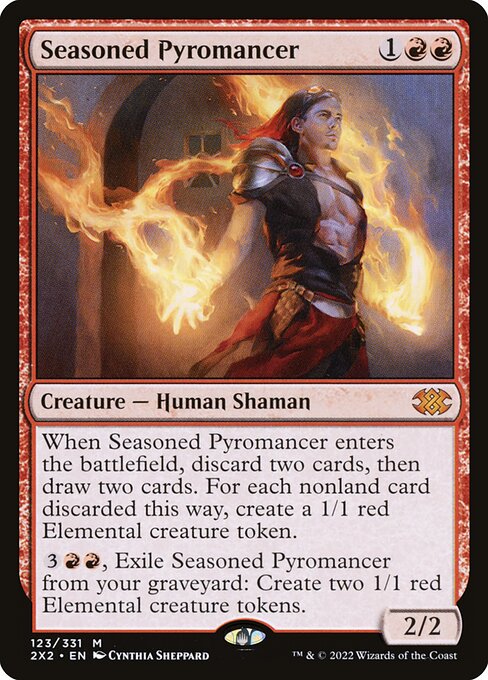 Seasoned Pyromancer
When this creature enters, discard two cards, then draw two cards. For each nonland card discarded this way, create a 1/1 red Elemental creature token.
Seasoned Pyromancer
When this creature enters, discard two cards, then draw two cards. For each nonland card discarded this way, create a 1/1 red Elemental creature token.
{3}{R}{R}, Exile this card from your graveyard: Create two 1/1 red Elemental creature tokens.
. Of course, players had to be prepared for more than just Rakdos, and there’s plenty more innovative decisions to take a look at.
Read More: New MTG Infinite Turns Combo Causes 498% Price Spike!
Preparing for The One Ring
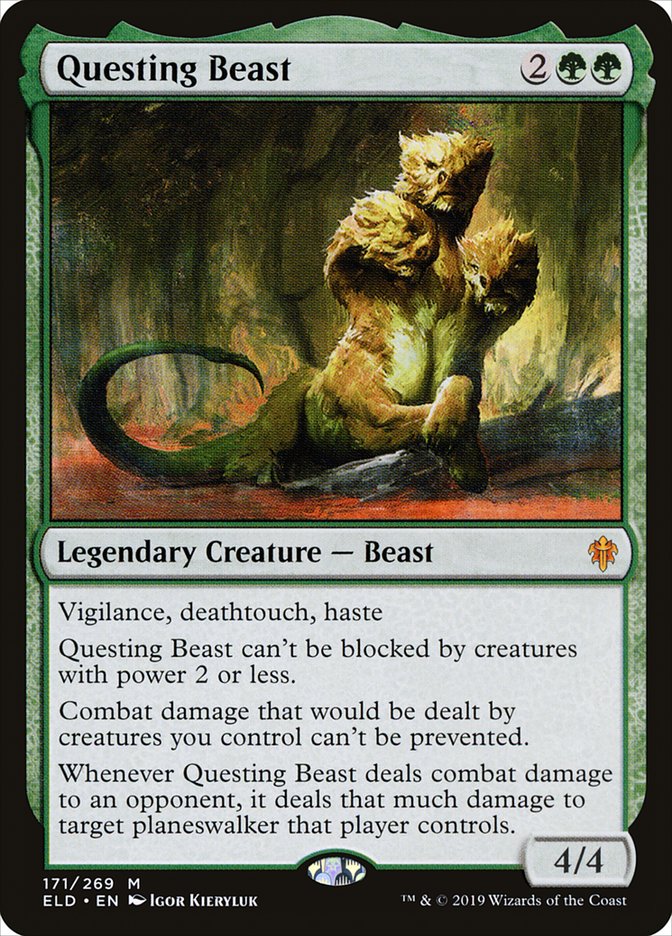
No single card saw more play at this event than The One Ring, but again, players recognized that the card would be everywhere. As such, some adjustments needed to be made. The most notable change that many players made to various archetypes was to add cards that negated the “Protection from everything” clause on The One Ring. Kai Budde did just this by adding Questing Beast to his Temur Rhinos deck. Being able to bypass the damage prevention from The One Ring is huge.
Even if you don’t get to attack for lethal, the more you can whittle down the opponent’s life total, the less cards they can afford to draw with The One Ring. Not to mention many opponents may think they are safe to slam The One Ring if you are tapped out, only for you to play Questing Beast, attack with a bunch of Creatures, and deal a ton of damage. As mentioned during coverage, Questing Beast rarely represents four damage under Ring Protection, but usually 12 instead since the Questing Beast will likely be swinging in with some Rhinos.
Just like Questing Beast,
Bonecrusher Giant
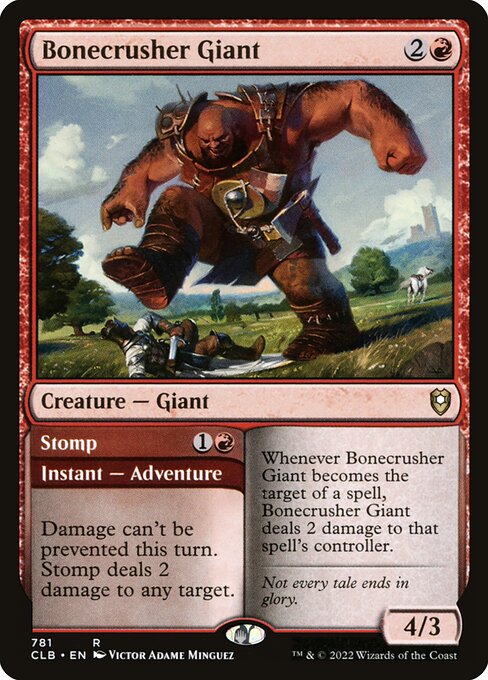 Bonecrusher Giant
Whenever this creature becomes the target of a spell, this creature deals 2 damage to that spell's controller.
can also bypass the Protection clause via the “Stomp” portion of the card. Of course, you will have to target yourself with Stomp, but this will still allow your Creatures to deal damage. Some Temur Rhinos players opted to play this Bonecrusher Giant, but most interestingly, a
Living End
Bonecrusher Giant
Whenever this creature becomes the target of a spell, this creature deals 2 damage to that spell's controller.
can also bypass the Protection clause via the “Stomp” portion of the card. Of course, you will have to target yourself with Stomp, but this will still allow your Creatures to deal damage. Some Temur Rhinos players opted to play this Bonecrusher Giant, but most interestingly, a
Living End
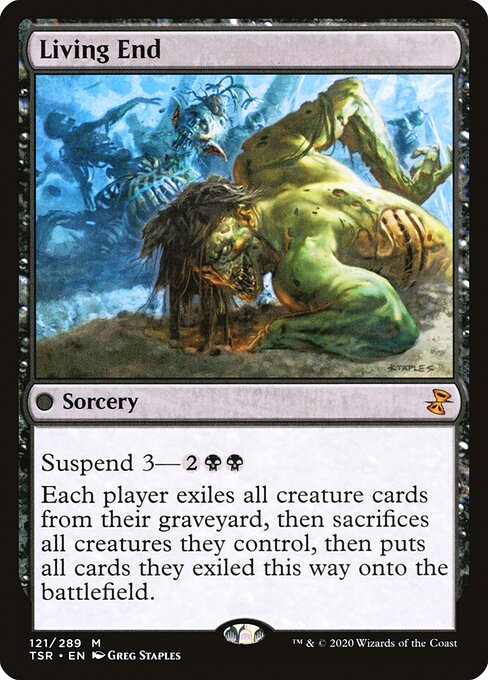 Living End
Suspend 3—{2}{B}{B}
Living End
Suspend 3—{2}{B}{B}
Each player exiles all creature cards from their graveyard, then sacrifices all creatures they control, then puts all cards they exiled this way onto the battlefield.
player made top eight of the Sunday Second Chance Pro Tour Qualifier playing three copies of Bonecrusher Giant among their 75 cards. This player even played three sideboard copies of Sanctifier en-Vec as a different card to Cascade into against Rakdos!
Read More: New MTG Secret Lair Cards Are Worth $2000+?!
Unique Archetypes
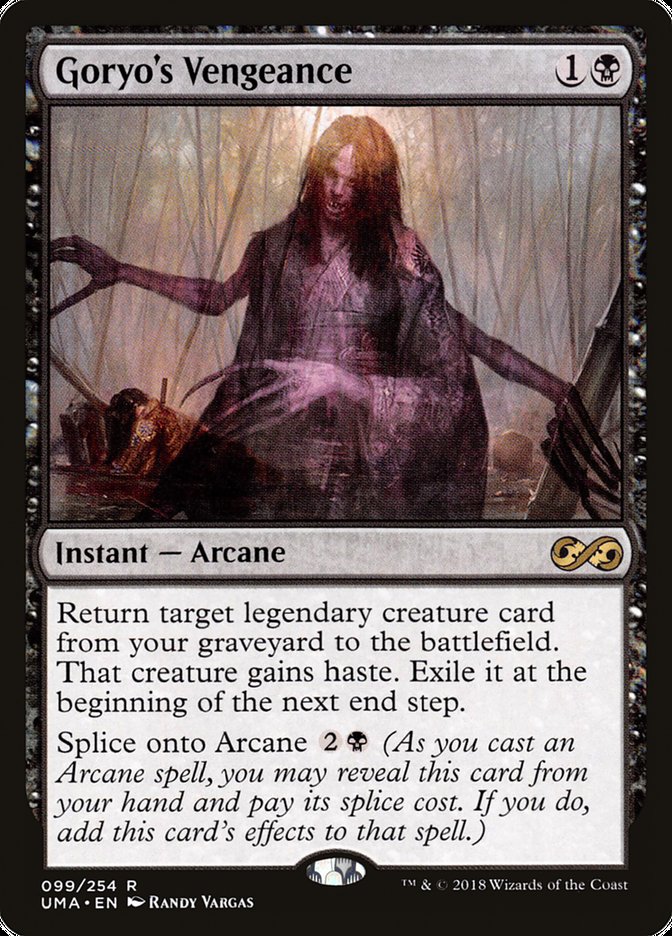
Some players were even daring enough to register abnormal archetypes and tune them for the expected competition. Among these archetypes was five-color Reanimator that made the top 16. This deck is similar to Esper Goryo’s Vengeance decks that have been around for a while, but with some interesting changes. First, this deck is much less reliant on the graveyard.
In addition to being able to utilize
Ephemerate
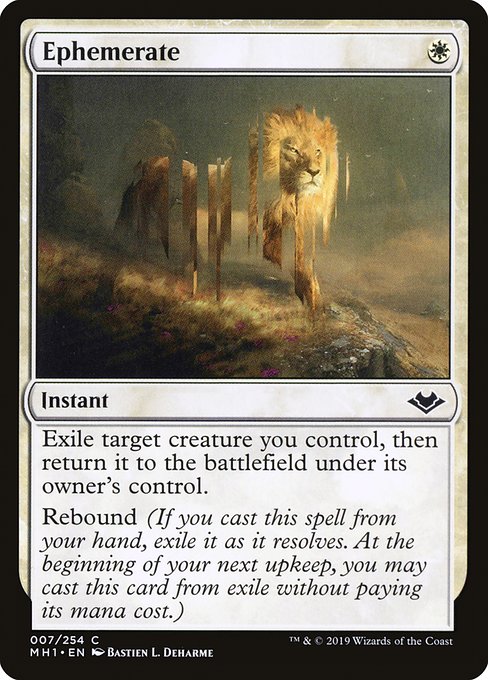 Ephemerate
Exile target creature you control, then return it to the battlefield under its owner's control.
Ephemerate
Exile target creature you control, then return it to the battlefield under its owner's control.
Rebound (If you cast this spell from your hand, exile it as it resolves. At the beginning of your next upkeep, you may cast this card from exile without paying its mana cost.)
to allow you to keep copies of
Griselbrand
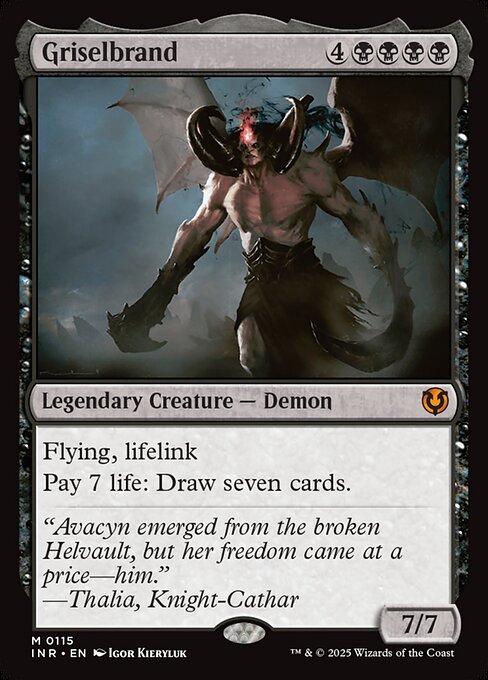 Griselbrand
Flying, lifelink
Griselbrand
Flying, lifelink
Pay 7 life: Draw seven cards.
or
Atraxa, Grand Unifier
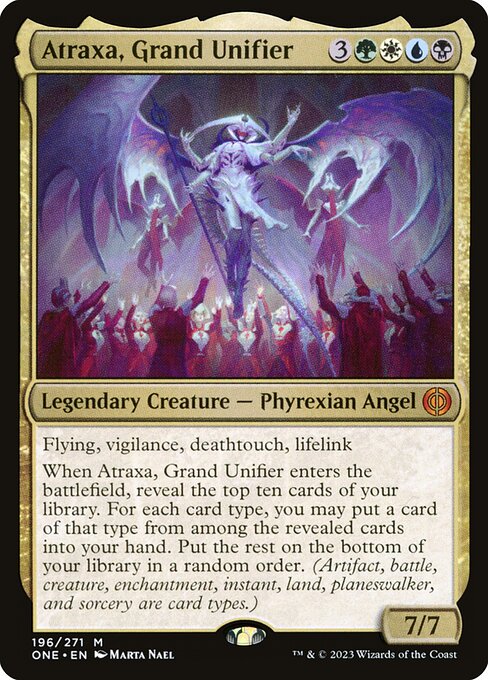 Atraxa, Grand Unifier
Flying, vigilance, deathtouch, lifelink
Atraxa, Grand Unifier
Flying, vigilance, deathtouch, lifelink
When Atraxa enters, reveal the top ten cards of your library. For each card type, you may put a card of that type from among the revealed cards into your hand. Put the rest on the bottom of your library in a random order. (Artifact, battle, creature, enchantment, instant, land, planeswalker, and sorcery are card types.)
around after Reanimating them with Goryo’s Vengeance, you can use Ephemerate for value when Evoking
Grief
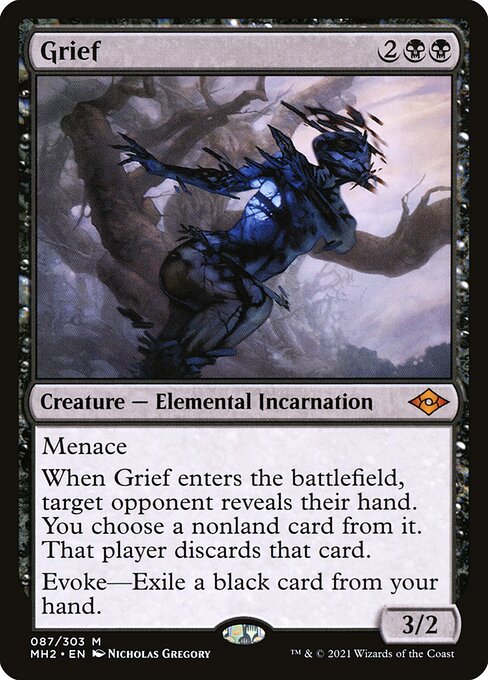 Grief
Menace
Grief
Menace
When this creature enters, target opponent reveals their hand. You choose a nonland card from it. That player discards that card.
Evoke—Exile a black card from your hand.
or Solitude. This deck even runs Orcish Bowmasters and Fable of the Mirror-Breaker. Adding these cards helps this deck play through graveyard hate that players would likely come equipped with thanks to the popularity of Living End.
Another cool archetype that performed well was Naya
Scapeshift
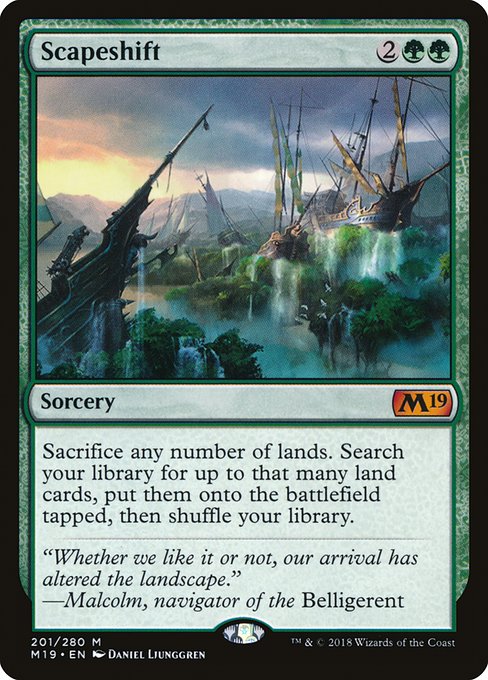 Scapeshift
Sacrifice any number of lands. Search your library for up to that many land cards, put them onto the battlefield tapped, then shuffle.
. This deck also made top eight of the Sunday Second Chance Pro Tour Qualifier. It is very similar to Gruul Scapeshift lists that have popped up here and there, maximizing the power of Wish and
Wrenn and Six
Scapeshift
Sacrifice any number of lands. Search your library for up to that many land cards, put them onto the battlefield tapped, then shuffle.
. This deck also made top eight of the Sunday Second Chance Pro Tour Qualifier. It is very similar to Gruul Scapeshift lists that have popped up here and there, maximizing the power of Wish and
Wrenn and Six
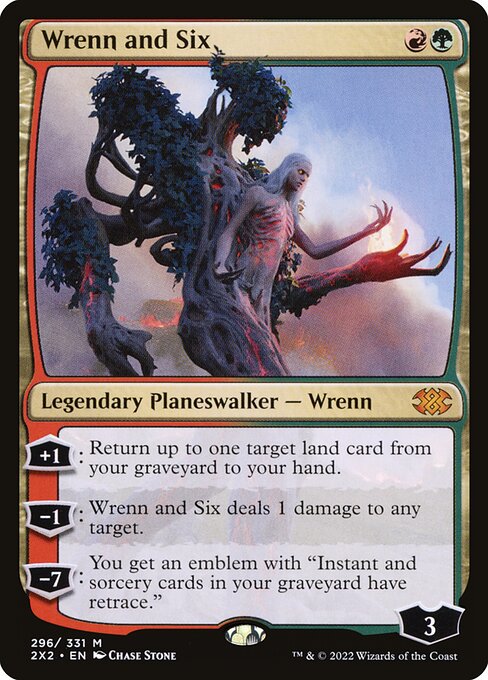 Wrenn and Six
+1: Return up to one target land card from your graveyard to your hand.
Wrenn and Six
+1: Return up to one target land card from your graveyard to your hand.
−1: Wrenn and Six deals 1 damage to any target.
−7: You get an emblem with "Instant and sorcery cards in your graveyard have retrace." (You may cast instant and sorcery cards from your graveyard by discarding a land card in addition to paying their other costs.)
.
However, this deck not only plays four copies of The One Ring to both buy time to cast or dig for Scapeshift and Wish to win the game with, but it also splashes white for Reprieve and
Leyline Binding
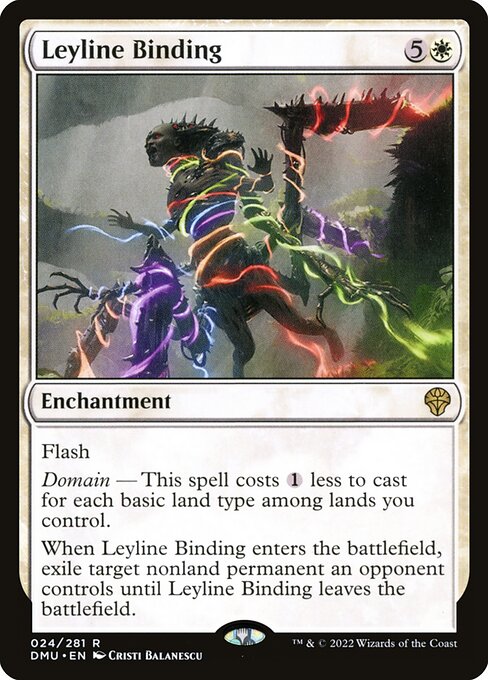 Leyline Binding
Flash
Leyline Binding
Flash
Domain — This spell costs {1} less to cast for each basic land type among lands you control.
When this enchantment enters, exile target nonland permanent an opponent controls until this enchantment leaves the battlefield.
. Both of these cards help manage opposing copies of The One Ring, and Binding can help keep copies of Fury in check from Rakdos. These decks are show that even in a relatively hostile environment, there is still room for innovation.
Read More: The Next MTG Story Arc Has Already Been Named!
Additional Innovation
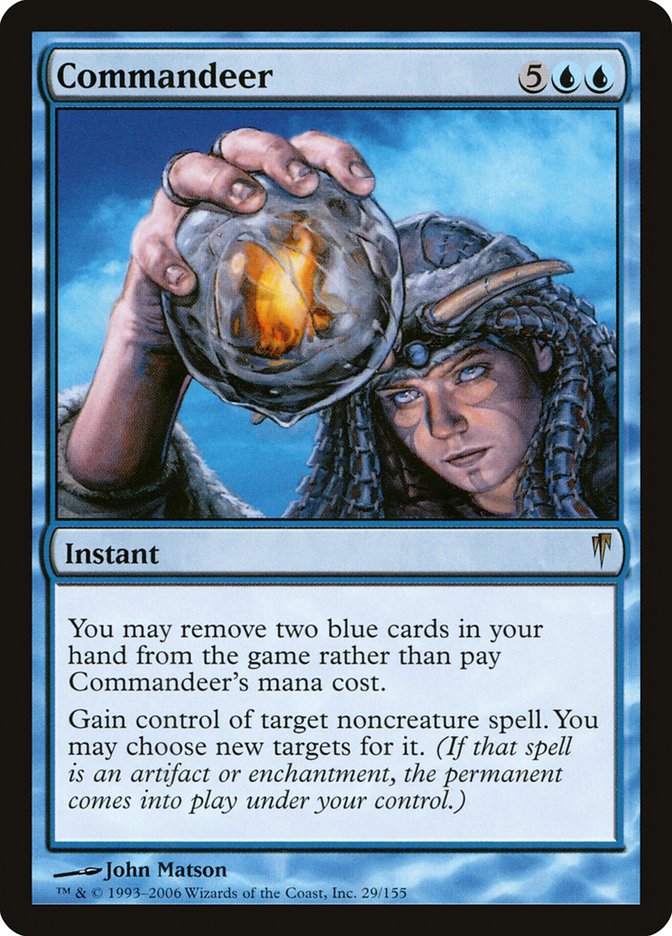
There are a few other unique cards players played in these events that are worth mentioning. Beyond “damage can’t be prevented” cards like Questing Beast and Bonecrusher giant, some players did even more to beat up on decks with the One Ring. A couple top performing Temur Rhinos players went as far as to play Commandeer in the sideboard. While pitching two blue cards is a big cost, getting to gain control of The One Ring can be backbreaking for the opponent, letting you generate tons of extra card advantage over time instead of them.
One interesting adaptation some players utilized involved maximizing the mythic double-faced cards like Emeria’s Call to maximize the options of cards to pitch to the Evoke Elementals. The same Hammer Time player playing three Strict Proctors in the sideboard also played four Solitudes in the sideboard and four Emeria’s Calls in the maindeck, allowing them to pitch a “Land drop” to Solitude when necessary.
A Merfolk player with eight wins did something very similar, adding copies of
Sea Gate Restoration
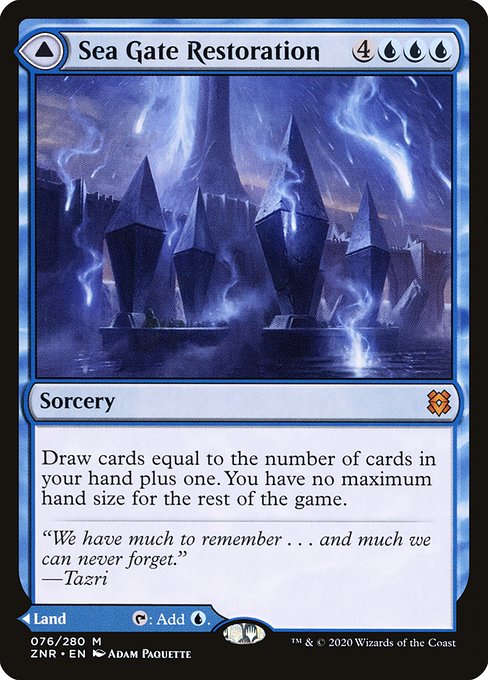 Sea Gate Restoration
Draw cards equal to the number of cards in your hand plus one. You have no maximum hand size for the rest of the game.
and playing less Lands, giving them the option to pitch Sea Gate Restoration to
Subtlety
Sea Gate Restoration
Draw cards equal to the number of cards in your hand plus one. You have no maximum hand size for the rest of the game.
and playing less Lands, giving them the option to pitch Sea Gate Restoration to
Subtlety
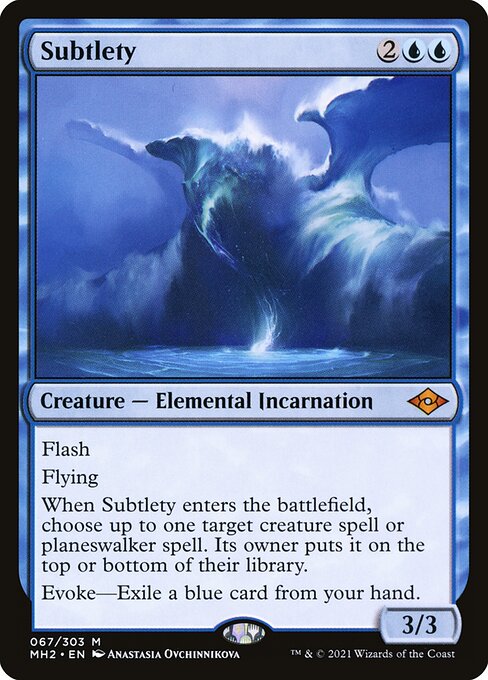 Subtlety
Flash
Subtlety
Flash
Flying
When this creature enters, choose up to one target creature spell or planeswalker spell. Its owner puts it on their choice of the top or bottom of their library.
Evoke—Exile a blue card from your hand.
or
Force of Negation
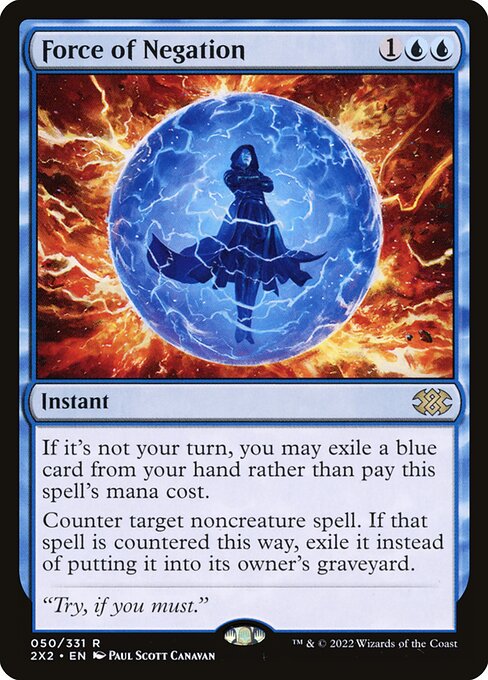 Force of Negation
If it's not your turn, you may exile a blue card from your hand rather than pay this spell's mana cost.
Force of Negation
If it's not your turn, you may exile a blue card from your hand rather than pay this spell's mana cost.
Counter target noncreature spell. If that spell is countered this way, exile it instead of putting it into its owner's graveyard.
. While some of these adaptations may seem minor, they can have a major impact over the course of a long tournament. This Pro Tour showcased that, even when the metagame appears stale, there’s always room for innovation.
Read More: MTG Players are Going Nuts Over New Anime Treatments!