
Unlike a lot of TCGs, Magic: The Gathering offers players unparalleled customization through a variety of unique formats. With each format utilizing a different era or cards or rule set, there are countless ways to play MTG. There are so many options, in fact, that it can often be overwhelming, especially for new players.
Thankfully, whether you’re new to MTG or a returning veteran, we’re here to help. Today, we’ll be going over the most popular, and best, formats in MTG, explaining the pros and cons of each. Between paper, Magic Online, and MTG Arena, there’s a lot to go over, so, here are the best formats in MTG in no particular order.
EDH/Commander
On Paper, Commander is the most popular format, and it’s not even close. Not only is Commander the most accessible format in MTG, but it’s also the most well-supported. If you have a Local Game Store in your area, chances are they have a Commander night, or two, each week.
Unlike the majority of other formats in MTG, Commander is first and foremost a casual format. Thanks to this, having fun during a game is often more important than outright winning the match. For those who like Commander but do want a competitive edge. cEDH (Competitive EDH) might be for you.
Beyond its casual focus, Commander also has a different rules set compared to many MTG formats. For starters, Commander is a singleton format, so you can only use one copy of each card, excluding basic lands. Alongside this, Commander uses 100 card decks, which are built around the titular Commander.
As if there weren’t enough rules already, Commander also has color identities, Commander damage, Commander Tax, and higher life totals to consider. While this may seem very daunting, thankfully, Wizards of the Coast has created myriad preconstructed Commander decks. Not only do these decks teach you the basic rules, but they’re also a ready-to-play deck
Ultimately, it’s for very good reason that Commander is so popular in the wide world of MTG. Not only is the format everywhere, but it’s also a great deal of fun, regardless of what deck you’re playing. Perfect for new and old players alike, Commander is typically the go-to MTG format.
Pros
- Great format to play with a friend group.
- Can be relatively cheap to start playing.
- Casual play can allow players to be quite creative.
- The play experience is very customizable with the right group.
- Slower games allow for some crazy scenarios and high exploration.
- New cards are constantly being released for the format, allowing for an endless amount of possibilities.
- By far the easiest format to get a group together and play.
- Everything outside the ban list (and cards illegal for sanctioned play) is legal in Commander, giving it a massive card pool.
Cons
- Game states can be very difficult to keep up with and understand, even for experienced players.
- High-powered Commander decks are very expensive.
- Some players do not like the political aspects of Commander.
- The absence of a Rule Zero conversation can create very lopsided play experiences.
- Games can be very long.
- New cards are constantly being released for the format, making it difficult to keep up.
Read More: The Best MTG Commander Decks for Casual Play
Dual Commander
Should you want to try Commander in a more competitive environment, and with only two players, Dual Commander might be for you. With its own separate banlist that gets rid of high-variance cards that are a bigger issue in two-player formats like Sol Ring, Dual Commander is a rather unique experience compared to the main format. Like Commander, Dual Commander has its own separate council that overlooks the health of the format. They actively make changes to ensure that the format remains healthy.
Brawl
As if one two-player Commander format wasn’t enough, there’s another! On MTG Arena, Brawl is the closest thing the game has to Commander. Previously, this format was called Historic Brawl, however, due to the variant’s popularity it took the main name for itself. Standard Brawl is still available for those who are interested, however, it’s far from popular.
While Brawl has its own ban list and metagame, the format isn’t really trying to carve out its own space. Instead, like Commander used to be, this format is simply making do with the cards that are available on the platform. Thankfully, as time has gone on, Wizards has steadily been giving Brawl some dedicated support.
Most recently, Wizards launched a quartet of dedicated Commander cards on Arena for Brawl players to enjoy. While it’s unclear if this will be repeated frequently, it’s nonetheless a positive sign. Looking ahead, Wizards is planning to add true four-player multiplayer to MTG Arena and Brawl in 2025.
Once multiplayer is added, hopefully alongside a chat function, Brawl will truly be a fantastic format. For now, it’s still plenty enjoyable, however, it’s yet to reach its full potential. Nonetheless, if you’re on MTG Arena, Brawl is the closest that you can get to Commander.
Standard
Once the flagship format for MTG globally, the Standard format has stuffed through a rough few years. Thankfully, recent developments have given this format a long overdue resurface, making it the flagship two-player format once again. Currently, Standard is on a three-year rotation cycle using the newest cards in MTG.
Unlike the vast majority of formats, Standard’s rotation cycle keeps things fresh and interesting each year. On top of this, the somewhat small card pool means individual sets can have a major impact on the metagame. Depending on the power level of sets that get released, this can make Standard a fairly fast and dynamic format.
In 2024, Standard will be getting a notable boost to metagame stability. Through the release of MTG Foundations, a lot of cards will be added to the format which won’t rotate until “at least” 2029. These new additions will provide a healthy baseline for many archetypes, ideally improving deck diversity in the metagame.
While Standard can be a lot of fun to play, finding matches is often easier said than done. Due to the overwhelming popularity of Commander, finding Standard events at your Local Game Store is no longer guaranteed. Thankfully, Wizards of the Coast is working to change this for paper players. Thankfully, on MTG Arena, the Standard format is thriving with a lot of competition and diversity.
Ultimately, Standard is a very engaging and enjoyable format that’s well-suited to MTG Arena. If you’re looking for a place to play the latest cards without the fear of things getting too stale, Standard might be the format for you.
Pros
- Very easy access with MTG Arena.
- Get to play with the game’s newest cards.
- Rewards deep decision-making.
- Cheaper than a majority of other formats to buy-in.
- Lots of support from Wizards of the Coast.
- While decision-making can be complicated, board states are somewhat easy to understand.
Cons
- All of the best decks play a lot of the same cards.
- Not very popular in paper.
- Because Standard is a rotating format, it ultimately is the most expensive format in all of MTG over more extended periods of time since you will eventually need to build a new deck.
Wizards of the Coast are aware of the weaker points of Standard at the moment and are trying to change the direction that the format is heading. As a result, Standard may be in for a sort of Renaissance in the coming months.
Read More: Best MTG Arena Decks
Pioneer

Pioneer is the two-player non-rotating format with the smallest card pool officially supported by Wizards of the Coast. All core sets released after Return to Ravnica are fair game in this format. Pioneer is not currently available on MTG Arena, but they instead have the Explorer format, which aspires to become Pioneer eventually. Unfortunately, there are some major disparities between the two formats at the moment, which distance them from one another.
With the exception of Pauper (and potentially Commander), none of MTG’s formats are really budget-friendly. That said, Pioneer is much cheaper than many of the other non-rotating formats the game has to offer, but a smaller card pool does mean that newer cards will have a stronger impact on the format. This creates change, which is good, but it also means that new strategies may cause more spending.
Otherwise, players are currently pretty split on the play experience of the format. Many powerful strategies support different archetypes (Aggro, Combo, Control, and Midrange), but gameplay can be surprisingly uninteractive. This means that decision-making has a smaller impact as long as you know all of the breakpoints in your strategy.
For the record, Pioneer and Commander are my personal formats of choice, but players who want decision-making to have a strong, fairly consistent impact on your game at the format’s top levels may be frustrated with the current state of Pioneer. There will be a higher number of games you lose no matter what in comparison to many other formats.
Pros
- Cheaper buy-in than older formats (best decks still cost hundreds of dollars, which is better than older formats).
- A lot of different competitive choices to play.
- Some strategies aren’t too hard to learn.
- Not too difficult to find people to play with.
Cons
- Uninteractive gameplay means you will be losing (and winning) a lot of games regardless of what you do.
- Play/draw disparity is really bad.
- Near impossible to have a good matchup against all the best decks.
- Not currently available in its full form on MTG Arena.
Modern
On Paper, Modern is currently believed to be the most popular format outside of Commander. Allowing most cards to be used post-Eighth Edition, this non-rotating format has a huge card pool to brew and build within. That being said, however, due to the high power level, the format is incredibly competitive and worryingly expensive.
With decks costing upwards of $1500, the format certainly isn’t easy to get into. Thankfully, however, this investment is usually rather sound, as rotation rarely happens. Outside of direct-to-Modern sets like Modern Horizons, the format remains compellingly consistent, with minimal changes in the meta.
While the lack of rotation may sound rather dull, it allows the competitive nature of the format to excel. Valuing impactful decision-making and intricate deck construction, you’ll have to bring your A-game to each Modern match. Thankfully, to compliment the competitive nature, Modern also has a great deal of variety, even supporting niche breakout decks.
Ultimately, while Modern does have a great many strengths, it does come with some controversy too. This is largely thanks to the aforementioned direct-to-Modern sets, which effectively implement a forced rotation. Diving up prices and frustrating players en masse, unfortunately, the next direct-to-Modern set has already been announced. Hopefully, it won’t be as bad as before, but we won’t know for sure until it releases.
Pros
- Modern is very popular. Not too hard to find someone to play with.
- Meta is very diverse. There’s a powerful strategy for almost anyone’s playstyle.
- Lots of room for innovation.
- Large card pool which allows you to use many of your old cards.
- Gameplay rewards positive decision-making.
Cons
- Very expensive.
- The looming threat of artificial rotation means there is potential for the format to be expensive to keep up with.
- Effectively required to play many of the same cards can make the format feel repetitive to some.
- Some card interactions are unintuitive and need to be learned.
- Not the easiest format to pick up and learn.
Legacy
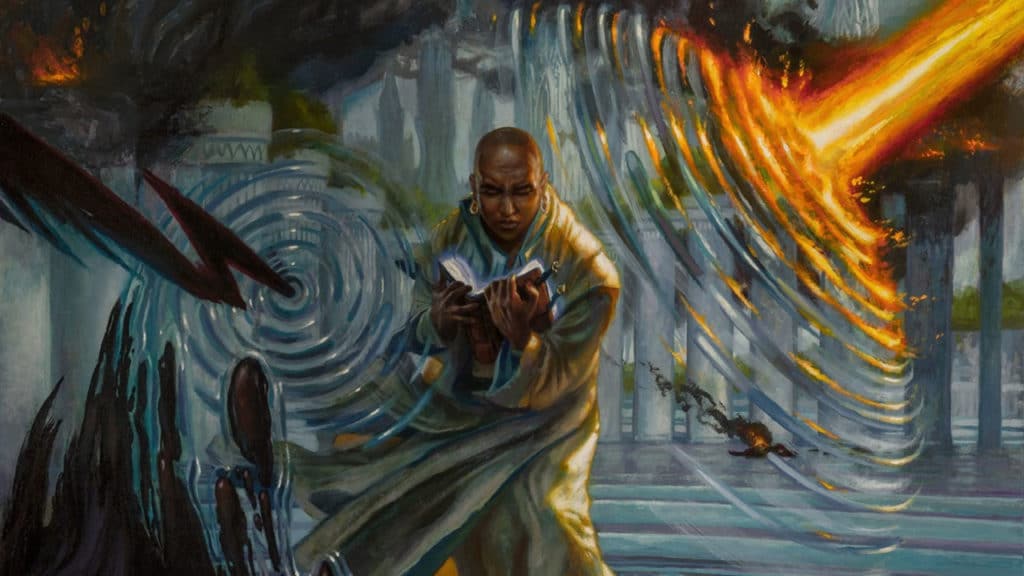
Legacy allows players to play any MTG card legal for sanctioned play in a two-player environment. This makes the gameplay incredibly fast, meaning turn-one kills are not only realistic but somewhat common. Many MTG players who have been around for a long time absolutely adore the format. The introduction of cards like Orcish Bowmasters and the recently unbanned Mind’s Desire also has helped shake up the format, keeping invested players intrigued.
The main issue for many is that playing it in paper has a very high buy-in, thanks to the Reserved List. Once you get your Legacy staples, keeping up with the format is rather inexpensive, but getting to that point for many who have not started is a very expensive task. There is a ban list for this format, which differentiates it a bit from Vintage.
Pros
- The gameplay is fast-paced and rewards decision-making.
- There is a healthy variety of decks to play.
- Once you acquire the expensive cards, Legacy is cheap to keep up with.
- If you want to play Legacy, but don’t want to pay ridiculous prices for the cards, Magic Online is an option to consider.
Cons
- Getting into Legacy is an absurdly expensive task.
- Learning the format can be difficult, especially when many have been playing it for decades.
- If you do not like
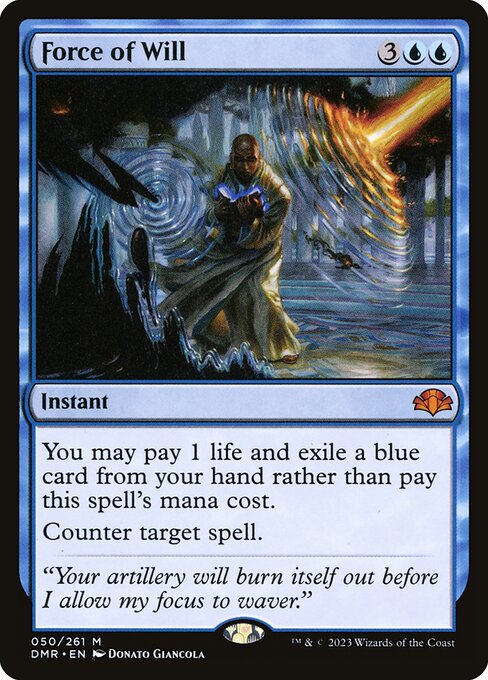
Force of Will
 Force of Will
You may pay 1 life and exile a blue card from your hand rather than pay this spell's mana cost.
Force of Will
You may pay 1 life and exile a blue card from your hand rather than pay this spell's mana cost.
Counter target spell. , stay far away from this format. - You will occasionally lose games on the first turn and you cannot do anything about it.
Read More: Magic: The Gathering 2024 Release Calendar
Limited (Sealed/Draft)
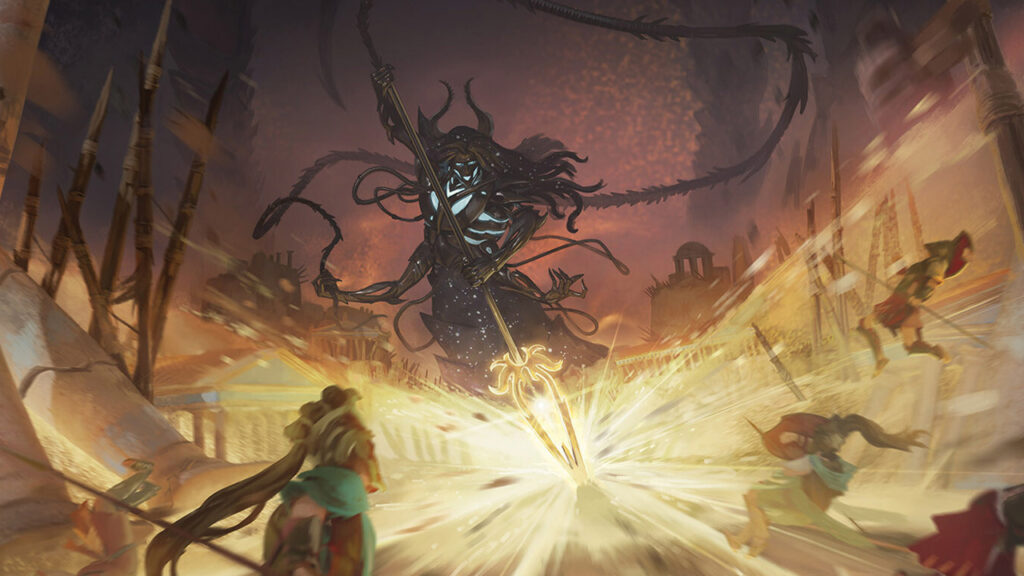
Limited is a drastically different experience from any other MTG format. Instead of bringing preconstructed decks to a table to play, you will instead be opening new Draft Booster packs! Who doesn’t love opening Magic packs!?
Using the contents of these packs, you will build a 40-card deck to do battle against your opponents. Don’t worry about Basic Lands, they are provided outside of the packs for you to include.
Limited formats have two popular variants – Sealed and Draft. Commonly seen during the prerelease of a new set, Sealed requires players to open six packs of cards from the same set (with the exception of Chaos) and build a deck from the cards opened.
Draft is a bit different, only offering three packs. Instead of building with whatever you open, there is a ‘Draft’ phase which requires players to sit in a circle of (ideally) eight. You will pick one card from each pack before passing it to your left. Each pack requires you to change the direction you’re passing your cards. Pack one will be left, two right, and three left again. Since there is this additional aspect to Draft, this makes it the most challenging format to master.
Pros
- Lowest barrier to entry of any format.
- New cards!
- No collection is required, making it easy to start playing.
- Player mastery matters a lot more than the cards you get.
- Very easy to find players to Draft with.
- Available on MTG Arena!
Cons
- This is the hardest format to play (lots of room to master).
- The quality of the Limited format varies between sets. There are sets with bad Limited formats and good ones.
- You need to keep buying cards to play (unless you make a Cube).
- Sealed is a lot more luck-based than Draft. It’s easy to open a bad Sealed pool and have your chances squandered from the start.
Pauper
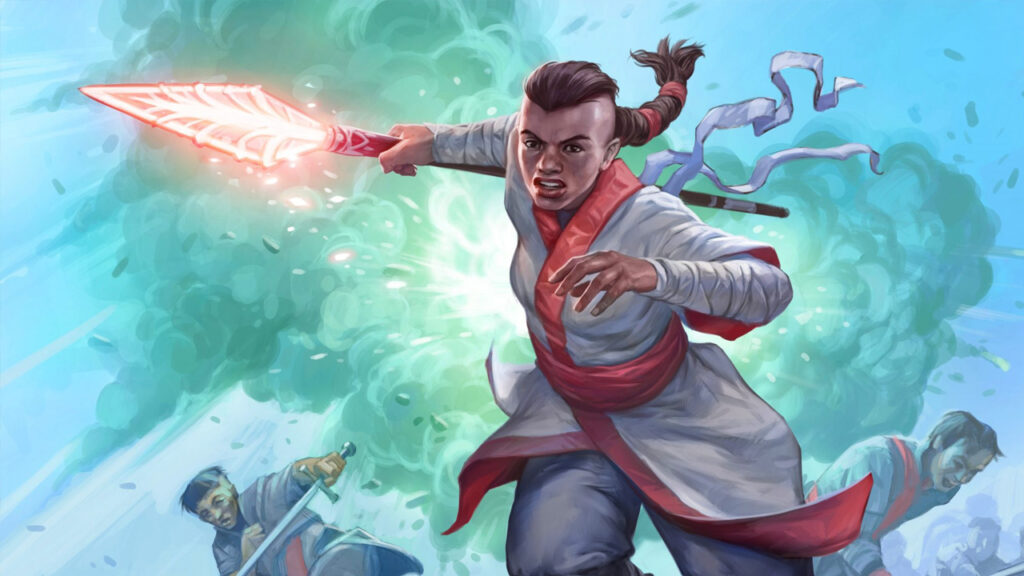
Pauper is the cheapest MTG format that the game has to offer. Buying the best deck in the format won’t even cost you $100 for the most part, meaning the barrier to entry is the lowest of any competitive format (except for Draft). Unfortunately, this can also make some Pauper cards surprisingly difficult to find.
Unlike other formats, Pauper restricts the legal card pool by rarity instead of when a set was released. Any card that has ever been printed as a Common (and is not on the Pauper ban list) can be used in the Pauper format.
The main downside to Pauper is, according to many MTG players, the gameplay. Many consider Pauper to be an absolutely miserable play experience, thanks to just how powerful Burn is in the current format. It can also be pretty difficult to find a group to play Pauper. If you do not have a Pauper community in your area, you’re much better off logging on to MTGO and playing a league.
Pros
- Pauper is incredibly cheap.
- Gameplay is relatively straightforward(?).
- Low barrier-to-entry.
Cons
- In the words of many, play experience is currently the worst of every MTG format.
- Not a lot of support.
- Can be tough to find other players.
Read More: Top 11 Best MTG Artifact Cards
Vintage

Vintage is a no-holds-barred format where every single sanctioned MTG card is legal. There are some cards that players can only play one of in their decks (which is atypical of other formats), but it is still, by far, the most powerful MTG format of them all. Unfortunately, not a lot of people play Vintage because of how insanely expensive it is. It’s not rare for a deck to cost more than a car.
Pros
- You can play every single card, including a Black Lotus!
- The format is incredibly powerful. You can do some absolutely ridiculous things that even Commander cannot pull off.
Cons
- Players may need to put a mortgage on their house to afford a Vintage deck.
- Cards are incredibly difficult to find.
- Most players who are active in Vintage have been playing since the beginning. It can be tough to catch up to them as a new player.
Alchemy
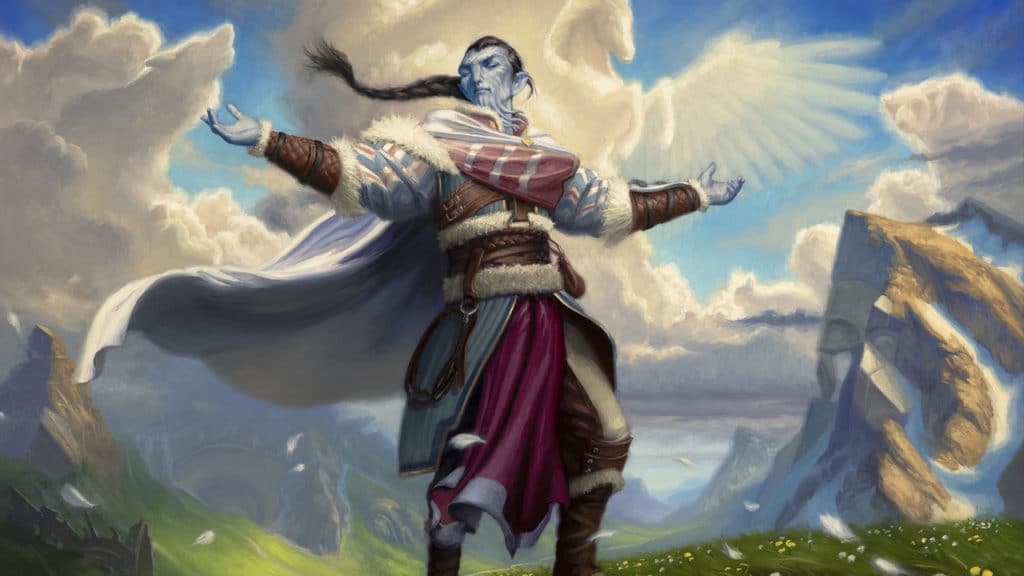
While it may get an awful lot of hate online, Alchemy is a surprisingly popular format in MTG. This is thanks to the way it is presented to new players on MTG Arena. Without knowing about the other alternatives available, Alchemy is an easy format to get into. Currently, this is more true than ever before thanks to the release of The Lord of the Rings: Tales of Middle-earth.
First things first, Alchemy is a digital exclusive format that is only available on MTG Arena. Alongside being exclusive to this platform, the format also uses digital-only cards, such as Priest of Possibility. For better or worse, you currently can’t use these cards on paper unless you make them yourself for casual games.
If it wasn’t unique enough that it includes digital-exclusive cards, Alchemy also features semi-regular rebalancing. Through this often unannounced process, Wizards of the Coast sharks up the metagame and improves underrepresented tribes. Typically, these changes do not have a major effect on the meta, however, they’re nonetheless interesting. As an important note, changes that affect Alchemy also affect the Historic format.
As a final note, unlike Standard, Alchemy has remained on the two-year rotation. Thanks to this, the format recently underwent a massive change following the release of Wilds of Eldraine. While Alchemy now feels more like its own format, this has come with its own problems as the meta is currently being dominated by a few powerful decks.
Pros
- Potentially has an incredibly diverse and competitive metagame.
- Includes plenty of unique and interesting digital-only mechanics.
- Features Lord of the Rings: Tales of Middle-earth Cards.
- Widely played online, making games easy to find.
- Receives additional cards alongside Standard set releases.
Cons
- No compensation for rebalances.
- Rebalancing may potentially ruin your favorite deck.
- Currently connected to the Historic format, making rebalancing difficult.
- Digital exclusive cards and mechanics aren’t to everyone’s tastes.
- Only available on MTG Arena.
Timeless
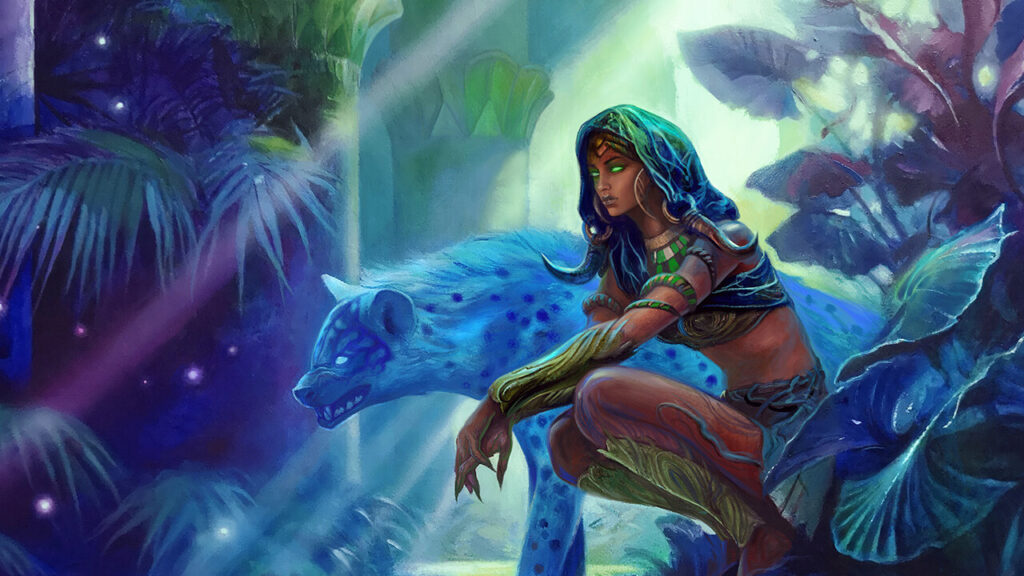
Released in December of 2023, Timeless is the latest format in MTG Arena and the newest addition to this list. Despite its age, Timeless is already proving itself as a fantastically enjoyable format that players can’t get enough of. Much like Vintage on paper, Timeless allows access to every card on MTG Arena.
Much like Vintage, Timeless boasts an incredibly fast-paced and competitive metagame. With games rarely lasting more than a few turns, Timeless is ruthless in the best way possible. While Timeless doesn’t have access to every MTG card ever printed, unlike Vintage, it’s significantly more affordable. Rather than having to sell your car for a deck, you’ll only need to splash out on some Wildcards.
Currently, Timeless is definitely the format de jour on MTG Arena. Unfortunately, however, there’s no telling how much that will last. While Timeless is a permanent fixture on MTG Arena with ranked queues, it’s unclear how much support it will get. With Anthology sets or even Remasters in the future, Timeless could get better and better. Should it be forgotten about, however, the format’s future may ultimately be squandered.
Pros
- Access to every card on MTG Arena
- Incredibly high power level
- One of the highest skill ceilings on MTG Arena
Cons
- High Wildcard start-up cost
- Unclear future
- Includes digital-exclusive Alchemy cards
- Only available on MTG Arena
Casual
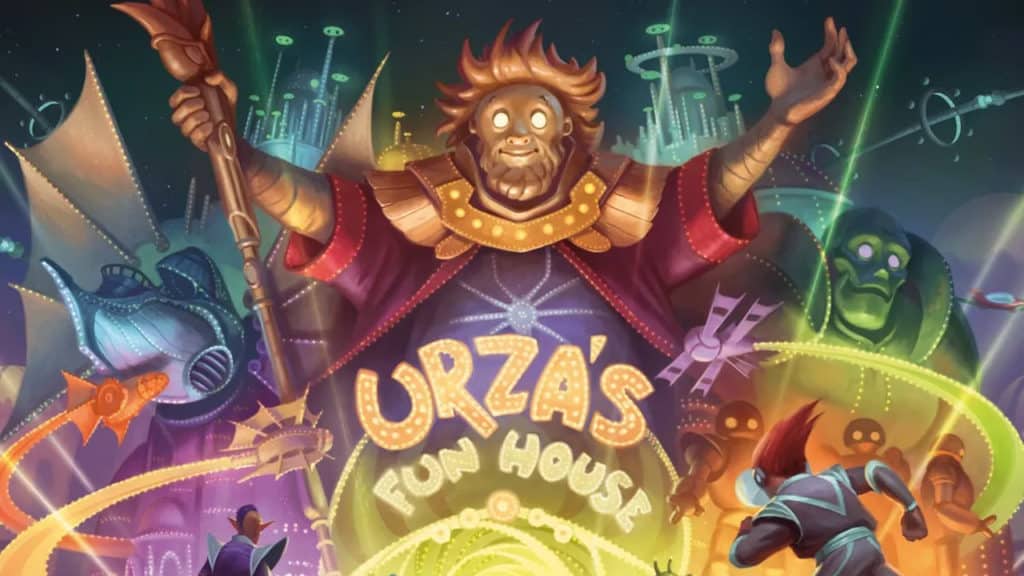
Last but not least, it’s worth taking some time to talk about casual MTG. Despite the dominance of Commander, this format is believed to be the most popular by far. This is despite casual MTG not having any tournaments, or really any rules. Instead of having these rather fundamental features, casual MTG is simply just fun.
Similarly to Commander, Casual Magic isn’t really about building the best deck or winning. Instead, this humble format is just about sitting around a table, with friends, and having fun. You get to use the cards you want, regardless of their legality, and just have a good time. Whether you’re playing it with 60-card or 100-card decks, anything goes.
As you might expect, the inherent freedom of casual MTG is one of its greatest draws. So long as you have people to play with and a place to put cards, you can start playing. For many players, casual Magic will be the first stepping stone toward a lifelong obsession. That said, it’s always up to you to play and buy how much you want.
Ultimately, within the wide world of MTG, casual Magic isn’t the go-to it once was. While still undeniably popular, Commander has taken up the mantle of being the entry point into MTG. If you’re looking for a more structured play experience Commander may be a better fit. Should you just want to play some games without a care, however, then Casual or Kitchen Table Magic is for you.
Pros
- Limitless freedom
- Fun first format
- No rules or restrictions
- Low requirement of knowledge
Cons
- No tournaments or compettive support
- Not ideal for brand-new players
This Isn’t the End
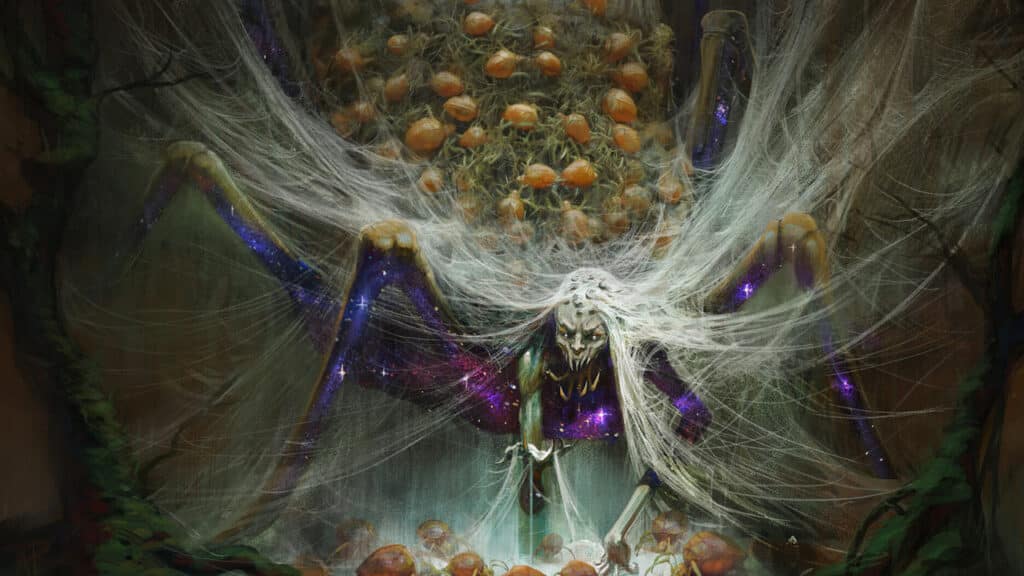
These are many of the most popular formats that MTG has to offer, but it’s not everything. Other formats, such as Oathbreaker, Forgetful Fish, and Tiny Leaders, also exist but are simply a lot less popular than the formats seen above. As time passes, we will add descriptions for more and more of these formats, but this, hopefully, gives a quick explanation of many of Magic: the Gathering’s most popular, and best, formats to try!
Read More: The Best MTG Pioneer Decks!