
Back when Modern Horizons Two was first released, it was clear there were some outrageously powerful cards being added to Modern. All of the Evoke Elementals like
Solitude
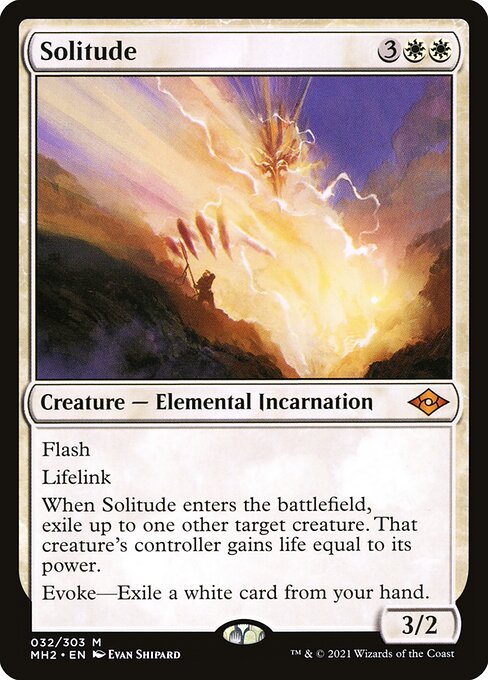 Solitude
Flash
Solitude
Flash
Lifelink
When this creature enters, exile up to one other target creature. That creature's controller gains life equal to its power.
Evoke—Exile a white card from your hand.
have been consistently putting up results, and individual powerhouses like
Urza’s Saga
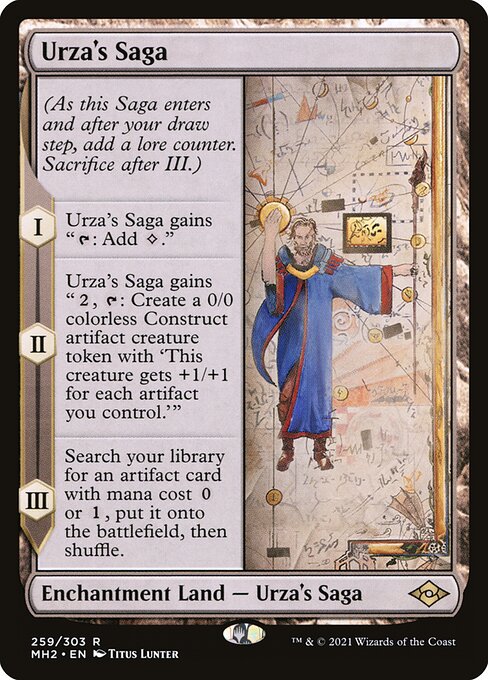 Urza’s Saga
(As this Saga enters and after your draw step, add a lore counter. Sacrifice after III.)
Urza’s Saga
(As this Saga enters and after your draw step, add a lore counter. Sacrifice after III.)
I — This Saga gains "{T}: Add {C}."
II — This Saga gains "{2}, {T}: Create a 0/0 colorless Construct artifact creature token with 'This token gets +1/+1 for each artifact you control.'"
III — Search your library for an artifact card with mana cost {0} or {1}, put it onto the battlefield, then shuffle.
and
Murktide Regent
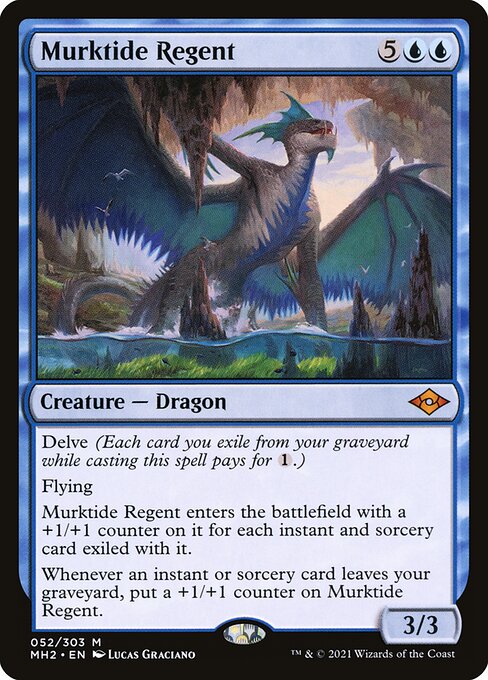 Murktide Regent
Delve (Each card you exile from your graveyard while casting this spell pays for {1}.)
Murktide Regent
Delve (Each card you exile from your graveyard while casting this spell pays for {1}.)
Flying
This creature enters with a +1/+1 counter on it for each instant and sorcery card exiled with it.
Whenever an instant or sorcery card leaves your graveyard, put a +1/+1 counter on this creature.
upgraded major archetypes. In some cases, new archetypes arose almost solely as a result of these powerful cards. Still, arguably the best card out of the whole set was none other than
Ragavan, Nimble Pilferer
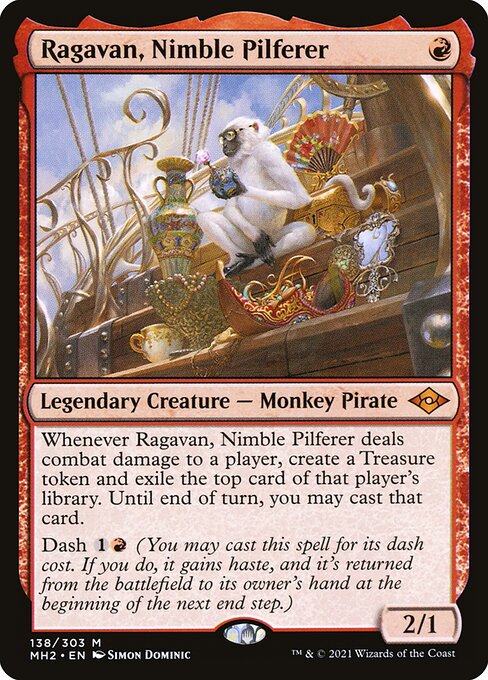 Ragavan, Nimble Pilferer
Whenever Ragavan deals combat damage to a player, create a Treasure token and exile the top card of that player's library. Until end of turn, you may cast that card.
Ragavan, Nimble Pilferer
Whenever Ragavan deals combat damage to a player, create a Treasure token and exile the top card of that player's library. Until end of turn, you may cast that card.
Dash {1}{R} (You may cast this spell for its dash cost. If you do, it gains haste, and it's returned from the battlefield to its owner's hand at the beginning of the next end step.)
.
The card only cost one mana, but was capable of running away with the game by making tons of Treasure tokens if not answered immediately. It’s Dash ability kept the card super relevant in the late game, and it could even steal good cards from your opponents and give you additional value. It was deemed too strong for Legacy and was banned relatively quickly. While the card still puts up results in Modern, the LOTR set has absolutely changed the dynamic of games where Ragavan is cast. There is good reason to be less fearful of the card than ever before. There are certainly matchups where the card shines, but playing the card even comes with its own risks in the current metagame. Why is this the case? Has Modern truly changed that much?
The Bowmasters Delimna
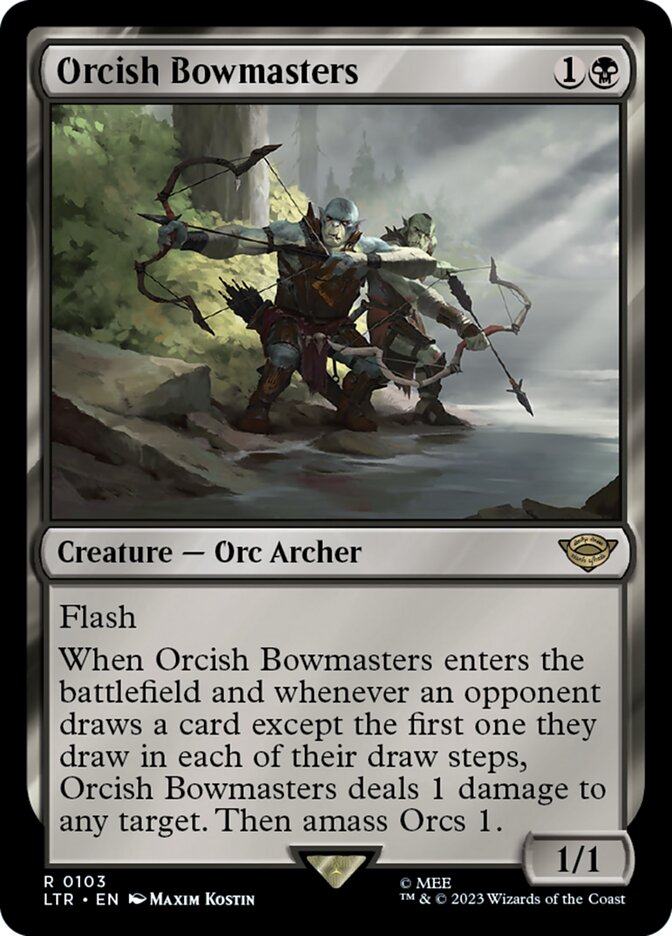
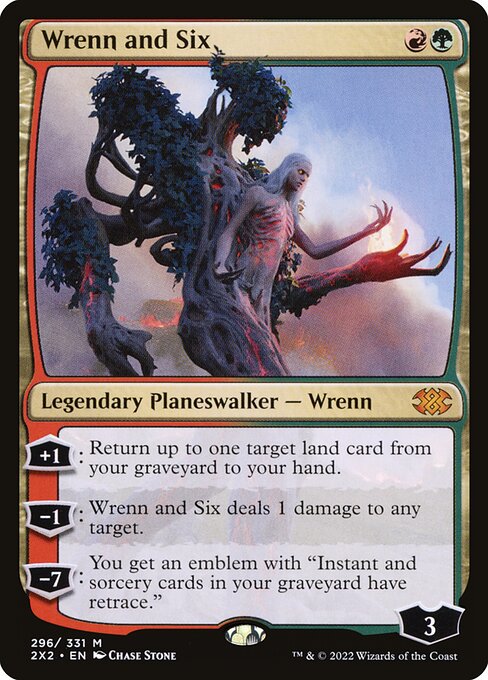
The weakness of one-toughness Creatures in Modern is nothing new. In a format where
Wrenn and Six
 Wrenn and Six
+1: Return up to one target land card from your graveyard to your hand.
Wrenn and Six
+1: Return up to one target land card from your graveyard to your hand.
−1: Wrenn and Six deals 1 damage to any target.
−7: You get an emblem with "Instant and sorcery cards in your graveyard have retrace." (You may cast instant and sorcery cards from your graveyard by discarding a land card in addition to paying their other costs.)
ran rampant and even
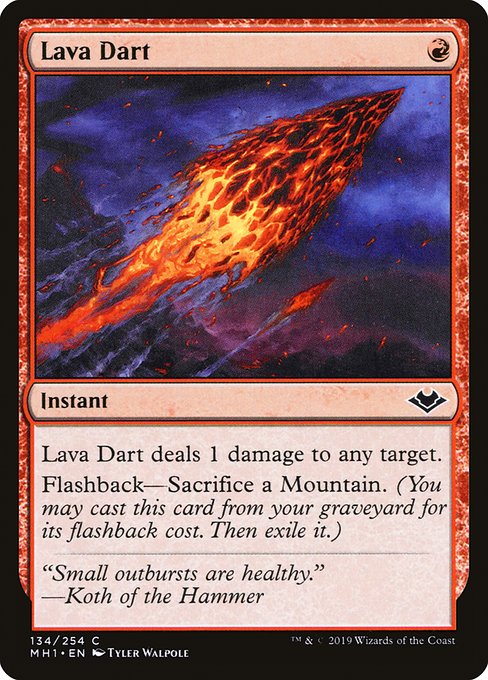
Lava Dart
 Lava Dart
 deals 1 damage to any target.
Lava Dart
Lava Dart deals 1 damage to any target.
Flashback—Sacrifice a Mountain. (You may cast this card from your graveyard for its flashback cost. Then exile it.)
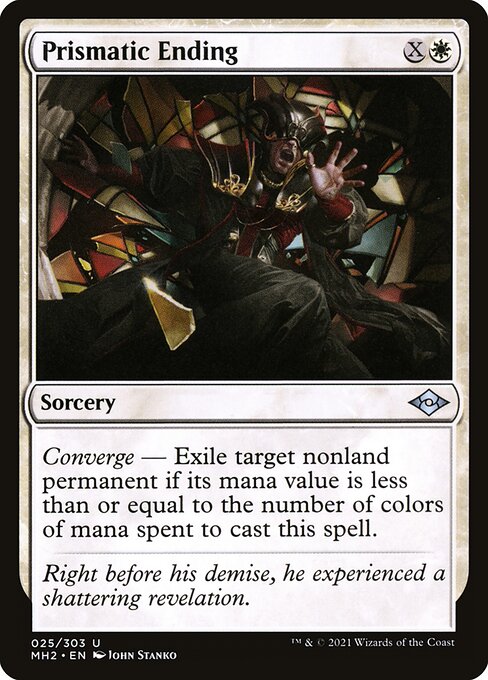
made its presence felt, you had to have good reason for putting one-toughness Creatures in your deck in the first place. Ragavan was different, however. The Dash ability made it relatively immune to Wrenn and Six and Sorcery speed removal such as
Prismatic Ending
 Prismatic Ending
Converge — Exile target nonland permanent if its mana value is less than or equal to the number of colors of mana spent to cast this spell.
. Playing Ragavan turn one on the play could still be great, but if Wrenn and Six was on your radar, the card could still be a threat via Dash on subsequent turns.
Prismatic Ending
Converge — Exile target nonland permanent if its mana value is less than or equal to the number of colors of mana spent to cast this spell.
. Playing Ragavan turn one on the play could still be great, but if Wrenn and Six was on your radar, the card could still be a threat via Dash on subsequent turns.
Bowmasters has completely shifted this dynamic. The only real window you have to generate immediate value is by playing Ragavan turn one on the play. Even turn one on the draw, the opponent can play Bowmasters, kill your Creature, and still have two bodies left over. These two bodies then completely blank future copies of Ragavan in combat. Thanks to Flash, Dashing Ragavan still runs the same risks if your opponent is holding up two mana.
Cards like Spell Pierce and Flusterstorm don’t help, and while
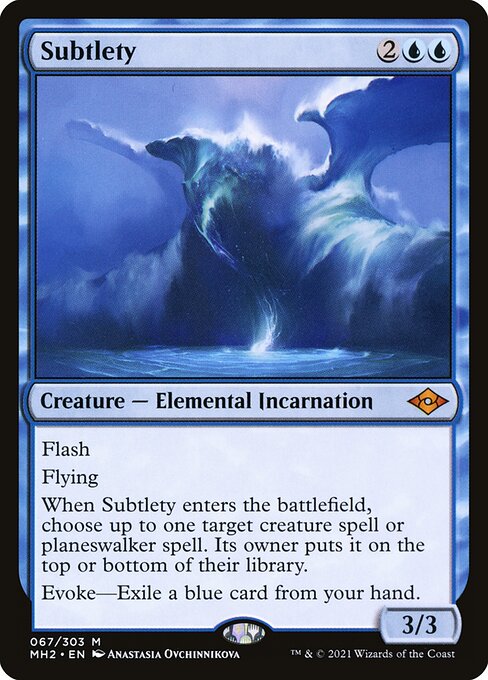
Subtlety
 Subtlety
Flash
Subtlety
Flash
Flying
When this creature enters, choose up to one target creature spell or planeswalker spell. Its owner puts it on their choice of the top or bottom of their library.
Evoke—Exile a blue card from your hand.
can potentially answer Bowmasters for good in conjunction with Ragavan (even if they put the card on top, Ragavan will then exile it), you probably had to pitch a card to Subtlety to answer one card from your opponent. With Rakdos Scam, Dimir Control, and
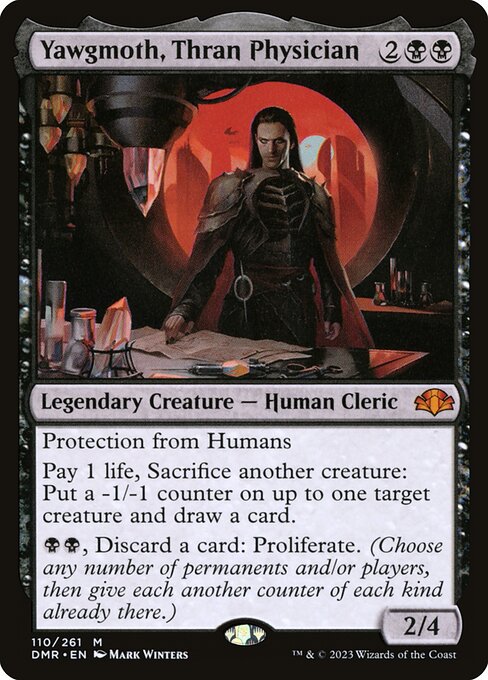
Yawgmoth, Thran Physician
 Yawgmoth, Thran Physician
Protection from Humans
Yawgmoth, Thran Physician
Protection from Humans
Pay 1 life, Sacrifice another creature: Put a -1/-1 counter on up to one target creature and draw a card.
{B}{B}, Discard a card: Proliferate. (Choose any number of permanents and/or players, then give each another counter of each kind already there.)
combo all growing in popularity, the number of Bowmasters present in Modern is only growing, which makes it very difficult for Ragavan to play as well as it used to. It still has matchups where it shines, so it is certainly not dead, but the metagame must be a consideration when considering deckbuilding and deck registration.
Read More: LOTR Common Card Sees Bizarre 1363% Increase!
Where Ragavan Still Shines
There are still a handful of matchups where Ragavan can go largely unopposed in the early turns of the game. The biggest of these matchups is definitely mono-green Tron. Tron got better thanks to
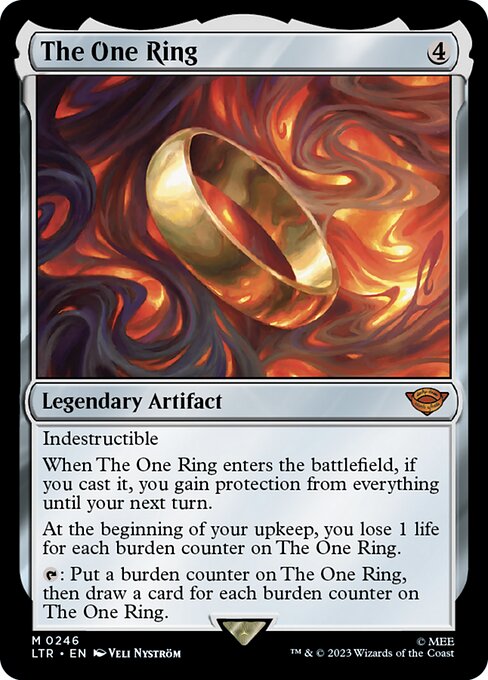
The One Ring
 The One Ring
Indestructible
The One Ring
Indestructible
When The One Ring enters, if you cast it, you gain protection from everything until your next turn.
At the beginning of your upkeep, you lose 1 life for each burden counter on The One Ring.
{T}: Put a burden counter on The One Ring, then draw a card for each burden counter on The One Ring.
adding another excellent win condition to the deck. Tron also does a good job punishing some of the slower decks like Dimir Control. Against
Primeval Titan
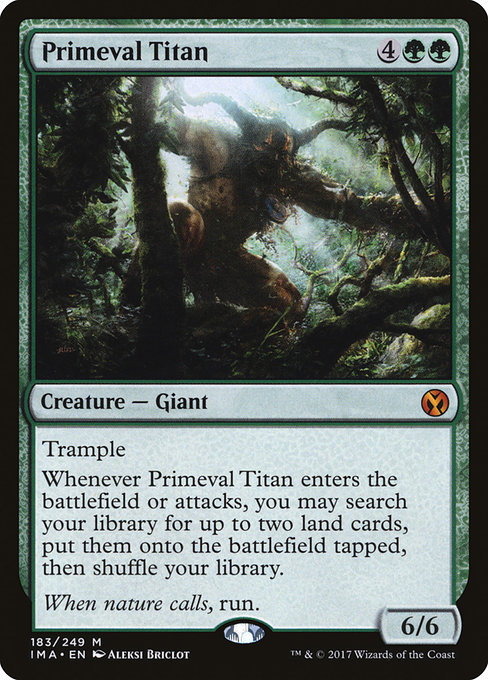 Primeval Titan
Trample
Primeval Titan
Trample
Whenever this creature enters or attacks, you may search your library for up to two land cards, put them onto the battlefield tapped, then shuffle.
decks, Ragavan can be an important tool to help ramp into multiple spells in a turn or land a quick
Blood Moon
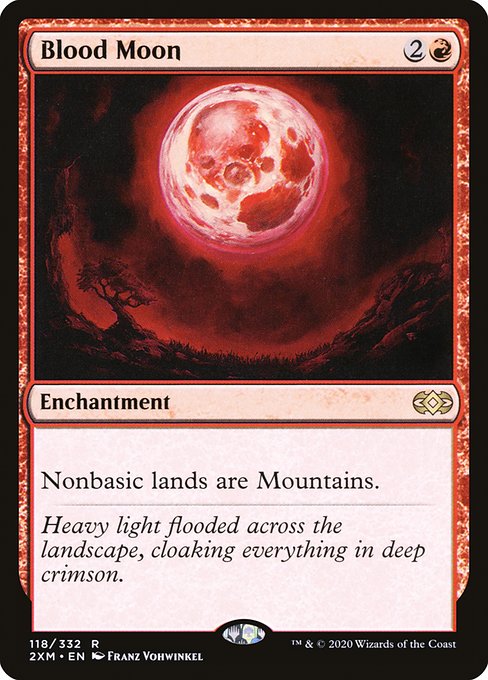 Blood Moon
Nonbasic lands are Mountains.
. Even against a deck like
Living End
Blood Moon
Nonbasic lands are Mountains.
. Even against a deck like
Living End
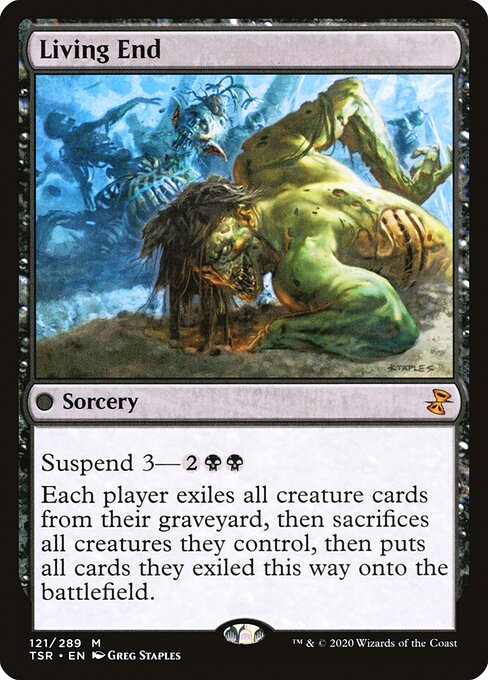 Living End
Suspend 3—{2}{B}{B}
Living End
Suspend 3—{2}{B}{B}
Each player exiles all creature cards from their graveyard, then sacrifices all creatures they control, then puts all cards they exiled this way onto the battlefield.
, Ragavan can chip away at their life total while giving you extra mana to interact with their combo.
In this sense, Ragavan still plays an important role for some decks like Izzet Murktide. The issue is that, with Bowmasters in the picture, the card ranges from excellent to extremely mediocre. So what is the best course of action? Is there a way to maximize Ragavan’s upside without getting exposed in matchups where the card is weak?
Read More: Lord of the Rings Is Saving a Deeply Unpopular MTG Format
The Rakdos Solution
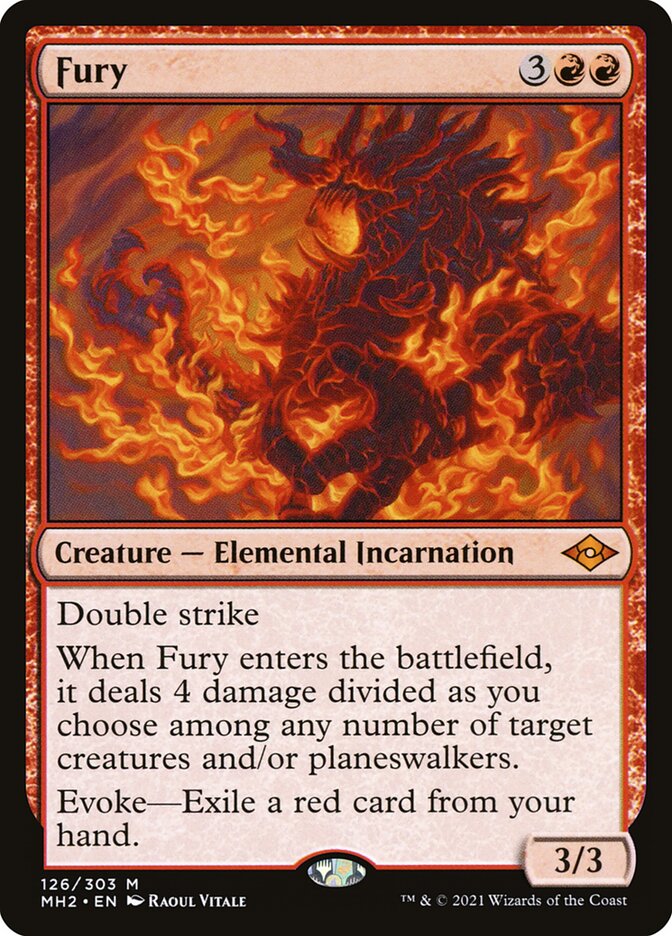
Rakdos Scam is an example of a deck that solves this delimna quite well. Ragavan can still provide the deck with a solid turn one play in a handful of matchups. The difference is that, in matchups where casting Ragavan can be a liability, the card still has uses. First, it can be pitched to Fury, which the deck makes great use of alongside cards like Feign Death.
Second, with
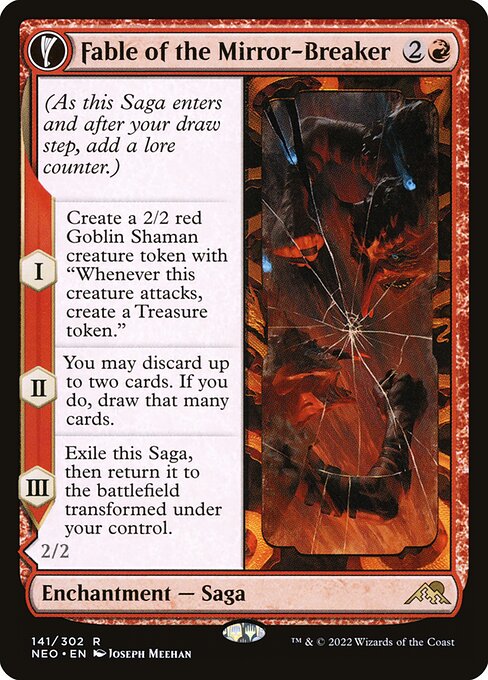
Fable of the Mirror-Breaker
 Fable of the Mirror-Breaker
(As this Saga enters and after your draw step, add a lore counter.)
Fable of the Mirror-Breaker
(As this Saga enters and after your draw step, add a lore counter.)
I — Create a 2/2 red Goblin Shaman creature token with "Whenever this token attacks, create a Treasure token."
II — You may discard up to two cards. If you do, draw that many cards.
III — Exile this Saga, then return it to the battlefield transformed under your control.
or
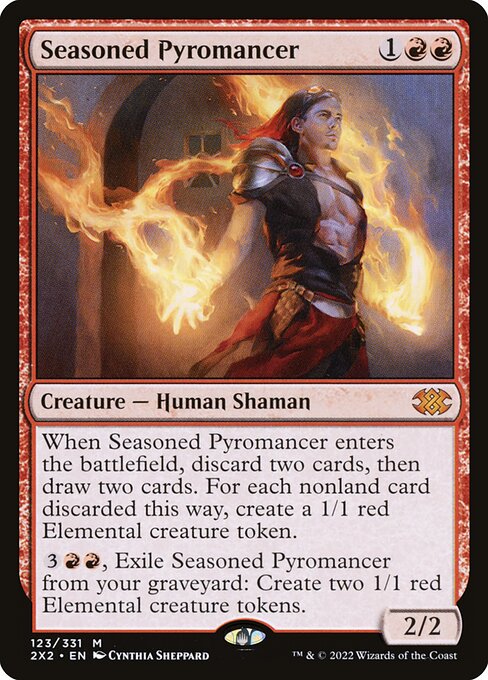
Seasoned Pyromancer
 Seasoned Pyromancer
When this creature enters, discard two cards, then draw two cards. For each nonland card discarded this way, create a 1/1 red Elemental creature token.
Seasoned Pyromancer
When this creature enters, discard two cards, then draw two cards. For each nonland card discarded this way, create a 1/1 red Elemental creature token.
{3}{R}{R}, Exile this card from your graveyard: Create two 1/1 red Elemental creature tokens.
, you can simply discard Ragavan and potentially draw something much more useful. This is part of what makes Rakdos Scam such a strong choice. Its cards work well together and the deck has multiple avenues it can attack the opponent from.
Read More: Dominant LOTR Card Could Put Up Banworthy Numbers!
Further Adaptations
As good as Ragavan can be, it’s worth considering where it falls short. This doesn’t necessarily mean that it’s not worth registering Ragavan altogether. However, the card used to be strong in almost every scenario, and this isn’t the case anymore. Consider you are playing a deck like Izzet Murktide. If Bowmasters is a big concern, sideboarding out Ragavan can be an important decision, especially on the draw. In the same vein, waiting to play
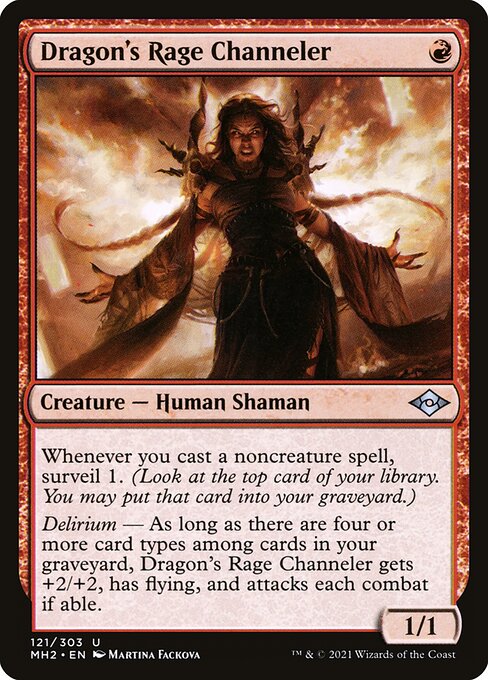
Dragon’s Rage Channeler
 Dragon’s Rage Channeler
Whenever you cast a noncreature spell, surveil 1. (Look at the top card of your library. You may put that card into your graveyard.)
Dragon’s Rage Channeler
Whenever you cast a noncreature spell, surveil 1. (Look at the top card of your library. You may put that card into your graveyard.)
Delirium — As long as there are four or more card types among cards in your graveyard, this creature gets +2/+2, has flying, and attacks each combat if able.
until you have Delirium to avoid getting blown out by an opposing Bowmasters can be a game-changing decision.
In some cases, it may even be worth looking in other directions. For example, some Grinding Station combo decks have made the swap from Ragavan to
Delighted Halfling
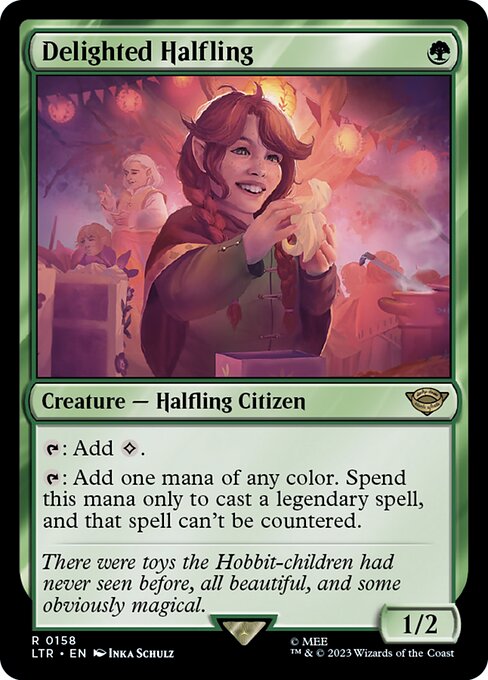 Delighted Halfling
{T}: Add {C}.
Delighted Halfling
{T}: Add {C}.
{T}: Add one mana of any color. Spend this mana only to cast a legendary spell, and that spell can't be countered.
. Fair
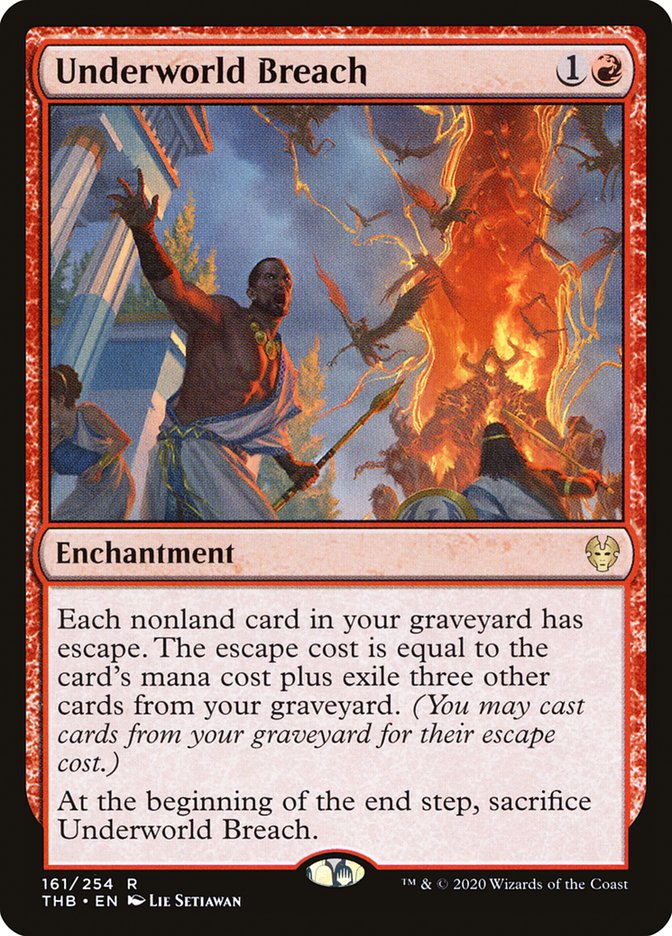
Underworld Breach
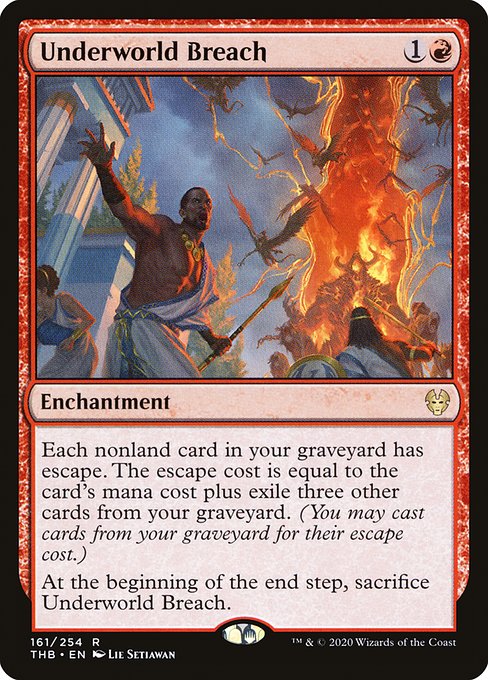 Underworld Breach
Each nonland card in your graveyard has escape. The escape cost is equal to the card's mana cost plus exile three other cards from your graveyard. (You may cast cards from your graveyard for their escape cost.)
Underworld Breach
Each nonland card in your graveyard has escape. The escape cost is equal to the card's mana cost plus exile three other cards from your graveyard. (You may cast cards from your graveyard for their escape cost.)
At the beginning of the end step, sacrifice this enchantment.
decks utilizing Ragavan, Dragon’s Rage Channeler, and cantrips like Consdier have become less popular in the face of Bowmasters. Metagame shifts require adaptation, and as long as Bowmasters is a big part of the picture, it’s important to recognize the rewards as well as the risks associated with playing Ragavan.
Read More: Underrated MTG LOTR Card Overperforms in Major Format!