
Occasionally, a post on social media, whether a Reddit threat or a Twitter post, details an unsatisfactory act that occurred to a newer player at an MTG event. Unfortunately, competitive games (even in a casual setting) tend to attract some bad actors who will trade some ethics towards a potentially undeserved victory. Getting into competitive MTG can be rather intimidating. As such, this article is aimed towards the newer player looking to get into competitive MTG by outlining some ways to stand up for yourself, as well as warn about common mistakes that new players make. While the short answer to this issue is to call a judge if available, that can be difficult to do without understanding why. Here are some tips that can help avoid some common pitfalls (and help you know your rights) when attending your first competitive MTG outing.
Players Cannot Unsleeve Your Cards Without Your Permission!
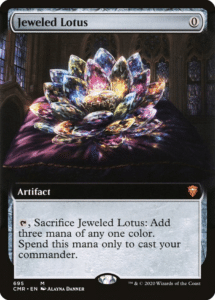
This particular, and hopefully scarce, problem was inspired by a Reddit thread that, honestly, made my blood boil a bit. Redditor Doughspun posted a thread asking a question if it is “”normal” for someone to physically handle your card to check if it’s real during tournaments?” He then elaborates on his experience:
“In a recent local tournament, the second I’ve ever attended, my opponent suddenly took my card out of the sleeve and flicked it a few times because he wanted to see if it was real. I was quite unhappy with this, as he had removed a foiled Jeweled Lotus from the sleeve and flicked it repeatedly.”
To answer this question and to recap the multitude of answers to this question in the Reddit thread, this is absolutely not allowed. The concern outlined by the offending party was whether or not OP’s card was real or not. While players will occasionally register copies of an MTG card that are not legal for sanctioned play, the player does not have the right to confirm this themselves by unsleeving and potentially damaging an incredibly expensive MTG card. However, we have the right to call a judge, and I heavily suggest you execute that right. To demonstrate that I am not an outlier in this case, here are some of the responses to our Redditor’s question:
“Unsleeving an opponents card is a no-go. This is nothing that should ever happen. Even only touching a sleeved card should have your approvement. If there is just the smallest issue or question in a tournament setting the only thing that is right would be calling a judge.” firefighter0ger
“When in doubt, call a judge. Doesn’t matter what. Bug the f*ck out of them. If you need a ruling on anything, they’re the guys. They make sure everyone is on the up and up, that is not the players’ job, and that guy shouldn’t even touch your cards without your permission.” – s00perguy
There were even some commenters stating that the player knew they weren’t supposed to be doing this, and doing so was just an excuse to try and unsettle the new player mentally and gain an advantage:
“dude knows exactly what he’s doing.
he’s a dirty player who plays mind games and seeks to rile you up.
probably knows you’re a new tourney player from your demeanor and knows he can get away with bullshit like this.
he was seeking to rile you up by doing something egregious and stopping just short of damaging the card, hoping to throw you off your game. and if you call a judge for his behavior, the most he’ll get is a warning ie he’ll get away with it, but now he knows he got under your skin.” – wannaquitlife
This is the kind of bad actor that this article will, hopefully, give you some tips to help take action against.
Calling an MTG Judge

A majority of your competitive issues will be solved by calling an MTG judge. Personally, I am not a very social person, so I can understand the discomfort that some MTG players may have with bothering a judge about something you may deem to be unimportant. Many people would prefer to avoid conflict, but, in this case, standing up for yourself by calling a judge is usually the right call.
In the above example, while the player does not have the authority to quality check your cards, a judge can do so and will do it with the utmost care. If you’re ever unsure about anything (literally, anything at all) in a competitive setting, you should call an MTG judge to help alleviate your worries. This can be as simple as asking about how a card interaction works (which I have done multiple times), or something more specific, like bringing up your concern about a card being illegal for sanctioned play. I’ve even had opponents call a judge for a bathroom break mid-match in larger tournaments.
To call a judge, all you need to do is raise your hand to the sky and, depending on how big the event is, exclaim ‘JUDGE!’ at a level that is appropriate. Do not worry about offending an opponent. Calling a judge is perfectly normal and does not necessarily mean that you think your opponent is doing something shady. If this is the case, however, consider having your conversation away from the table, so you don’t create an argument.
To be clear, any conflicts at a competitive tournament should be settled by a judge. Do not take your opponent’s word – they will, sometimes, not have your best interest at heart. There is no shame in calling a judge to clear up any concerns.
Read More: Top 5 Most Expensive MTG Uncommon Cards
Knowing Your Trigger Rights
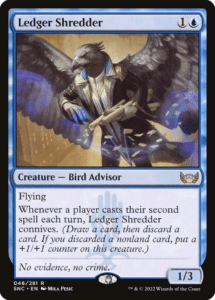
One of the more common mistakes made at a tournament level is missed triggers. This is an incredibly complicated topic that I will not go into too much, but knowing when a trigger is missed or not can be critical, especially when your opponent tries to convince you that your trigger is a missed one. Once again, if you think your opponent is unfairly trying to get you to miss a trigger, call a judge to clear up any misunderstandings.
To reiterate, do not take your opponent’s word as law. Call an MTG judge and discover why they may be right or wrong for yourself. Generally, you will be held responsible for knowing how your cards work, but there are situations where a missed trigger may not be as missed as you think.
What is a Deck Check?
A deck check is one of the more stressful things a new competitive player may experience at their first tournament. When registering for a competitive event, you typically need to submit a decklist. Generally, players are only allowed to use one deck for their entire tournament, and locking in the contents helps judges confirm whether you are cheating or not during deck checks. If an MTG judge calls for a deck check and suddenly asks to take your expensive deck of MTG cards, know that this is a normal procedure.
These tend to be called each round. If you get called for a deck check, there’s nothing to worry about as long as your intentions are good. A judge’s #1 priority is upholding fair play in the most compassionate ways possible. If you’re a newer player that accidentally makes a blunder, a judge should be able to catch on that your intentions are not bad. There are still some things you can get called out for, so avoiding these things can help make your tournament experience a more positive one:
- Watch for boxed cards. This refers to a situation where you have cards in your deck that aren’t all facing the same direction. This is a pretty common offense on a player’s first deck check (yes, this happened to me) and will usually only result in a warning (you are allowed three warnings before action is taken that will impact your games. Warnings generally do not carry over between tournaments) unless there’s further evidence to suggest that this may have been done with ill intent. Boxed cards, when used maliciously, can be considered a ‘marked’ card that could give a player an unfair advantage. Say, for example, you have all of your lands facing one direction and all of your permanents facing another. All you would need to do is run your finger across an end of your sleeves to discover where the lands are in your deck.
- Watch for unintentionally marked cards. The most common version of this is having some curled foil cards in your deck. While having a completely foil deck can sometimes fix this issue, it’s very dangerous to mix foil and non-foil cards in your decklist. If you choose to do this, before the tournament officially starts, it’s best to ask an MTG judge if the quality of your cards isn’t warped to the extent that they would be considered marked. Once again, players can use these warped cards to gain unfair advantages like additional information and biased shuffling. A recent event that occurred with some warped Collected Companies demonstrates the potential issues this can cause. If this is suspected to be intentional, you could be disqualified from the entire event. In cases where this is suspected to be unintentional, in my experience, players will generally receive a game loss and may be required to replace the problematic cards if possible. If this is deemed too difficult to accomplish, judges can assign proxy situations for your deck.
- Make sure your decklist contents match up with your cards. This is an obvious one that shouldn’t need to be said, but the number of players that have received a game loss due to a mistake in their decklist registration is surprising. It takes time to write these out, and players who arrive right before a tournament starts are generally rushing to fill these in, leading to unintentional mistakes. In other cases, players with unethical intentions may include more cards than what was registered to give them an edge against different strategies. I find that, to avoid this happening to you, printing out your decklist the night before can help alleviate a bunch of stress.
- Watch for bent/worn sleeves. Sleeves are actually a really tricky business at higher levels of competitive play. These can also lead to marked cards in a variety of different ways. The most common offenders (for those who are unintentionally marking cards) are sleeves with bent corners or sleeves with varying levels of wear. A bent sleeve can affect shuffling and cutting decks, leading to an unintentional advantage for the player with a bent sleeve. Unintended marking with different levels of wear usually happens when a player replaces a split or bent sleeve, especially if the sleeves being used are somewhat worn. While the player’s intentions are good, the new sleeve will stick out like a sore thumb. It’s better in these situations to just replace the entire set of sleeves. Of course, it’s best to ask a judge about their opinion before taking actions into your own hands. Good communication can help smooth over unintentional bumps that may occur later on in the tournament.
Read More: New Phyrexian Cards Cause 300% MTG Price Spikes!
Common Tournament Etiquette

Lastly, I would like to leave you with some common tournament etiquette that should be upheld during a competitive game. These, once again, may accidentally be broken by parties who have no ill intent, but because the potential for ill intent is there, it is best to remember some of the following things:
- Do not talk to your friends during a game. Whether you are playing or your friend, a conversation, especially about the game state, can be outside assistance, which is prohibited at competitive events. There are exceptions to this, like playing a Trios event and getting help from teammates, but anyone outside of the game can get in trouble talking to someone mid-game (judges are the exception, of course). Try to hold your conversations until a game ends.
- Try to use pen and paper when keeping track of life totals and floating mana. This prevents a player from accidentally (or intentionally) knocking over dice on the table that are keeping track of values. If you do choose to use dice and they are knocked over, the player using the dice is the one that will be held accountable. On the topic of using a phone to keep track of life totals, a phone can die, which causes the same issue.
- This one will usually only apply to players who are playing a higher level of rules enforcement. Still, you cannot take notes in an open decklist situation when looking at an opponent’s decklist. You have to wait until you give your opponent’s decklist back to them before making notes. I played against an MTG judge who made this aware to me at a Regional Championship-level event.
- This shouldn’t really need to be said, but try to be compassionate to your opponents. We are all getting together to try and play a game we love, after all. Playing with all these additional rules can be intimidating, and trying to work with newer players in a positive way can help to grow your competitive scenes. That said, please do not hesitate to call an MTG judge if you have any concerns.
Read More: Hasbro Answers MTG Players’ Prayers After Billion-Dollar Success