
In the world of MTG, there are a ton of different ways to play our beloved game. For some players, the competitive nature of various Constructed formats makes for the best way to enjoy Magic the Gathering. For others, a draft environment provides a fresh new experience every time they participate. Limited in particular is nice because there’s no need to invest a bunch of money into a specific deck to compete.
Instead, each player starts at an even playing field with a few packs in front of them to open. The goal is to use your deckbuilding skills to your advantage, focusing on important synergies and crafting a cohesive gameplan. Of course, even in a draft environment, not all cards are created equal.
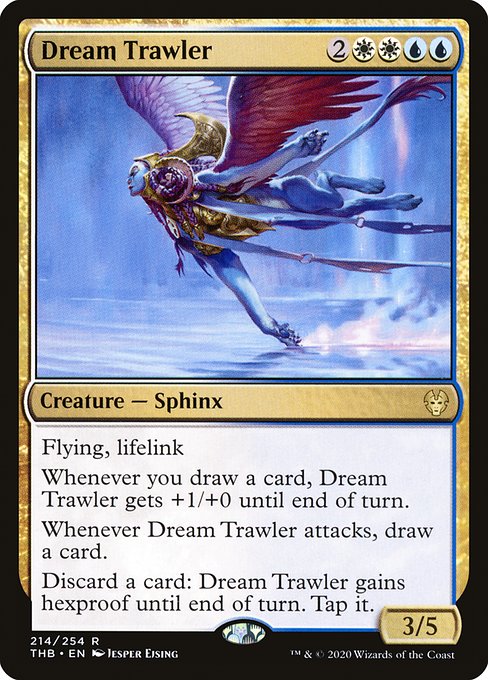
It’s not necessarily the best feeling when an opponent resolves a game-breaking bomb and you don’t have an answer. Some haymakers, such as
Dream Trawler
 Dream Trawler
Flying, lifelink
Dream Trawler
Flying, lifelink
Whenever you draw a card, this creature gets +1/+0 until end of turn.
Whenever this creature attacks, draw a card.
Discard a card: This creature gains hexproof until end of turn. Tap it.
from Theros Beyond Death, were nearly impossible to remove from the battlefield regardless and could completely swing a match singlehandedly. What’s interesting, though, is that not every card with an absurdly high win rate in Limited is a rare or mythic rare.
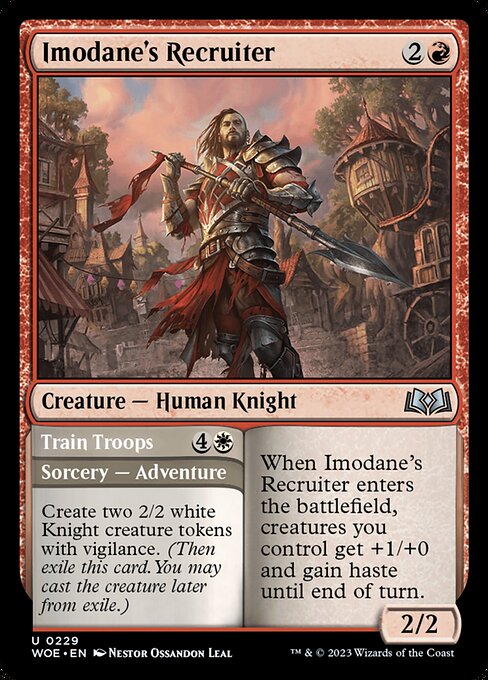
Sometimes, uncommons like
Imodane’s Recruiter
 Imodane’s Recruiter
When this creature enters, creatures you control get +1/+0 and gain haste until end of turn.
in Wilds of Eldraine are among the best cards in the whole set. Furthermore, there are a number of commons throughout MTG’s history that have been borderline format-warping. Today, we are going to highlight some of the best commons ever in their respective Limited environments.
Imodane’s Recruiter
When this creature enters, creatures you control get +1/+0 and gain haste until end of turn.
in Wilds of Eldraine are among the best cards in the whole set. Furthermore, there are a number of commons throughout MTG’s history that have been borderline format-warping. Today, we are going to highlight some of the best commons ever in their respective Limited environments.
Inspiring Overseer
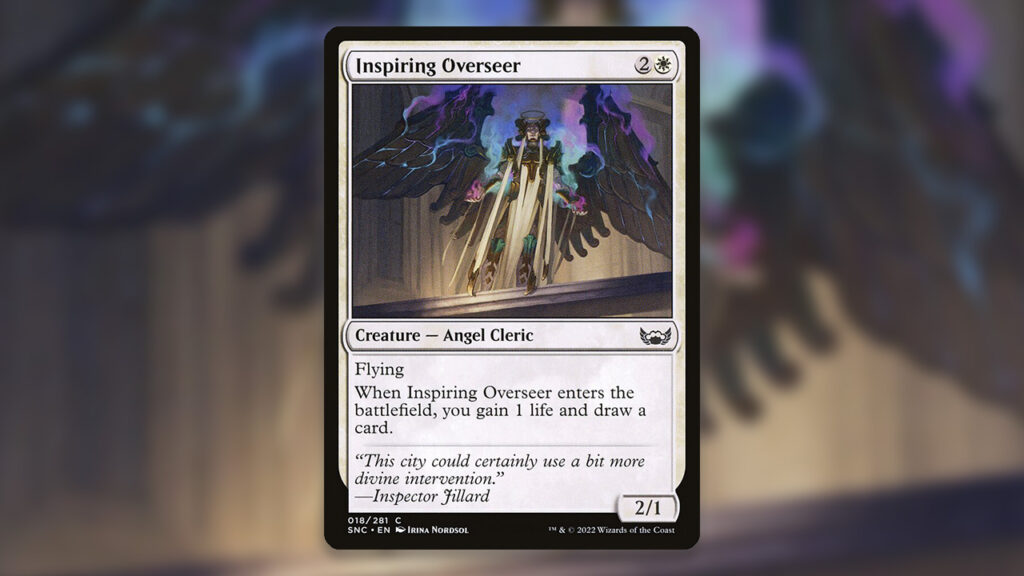
First on our list is one of the best commons on rate printed in any set over the last few years. Inspiring Overseer simply takes no extra work to make it good. It doesn’t matter whether you are playing aggro, midrange, or even control. If you are playing white, it’s in your best interest to play as many of these as possible.
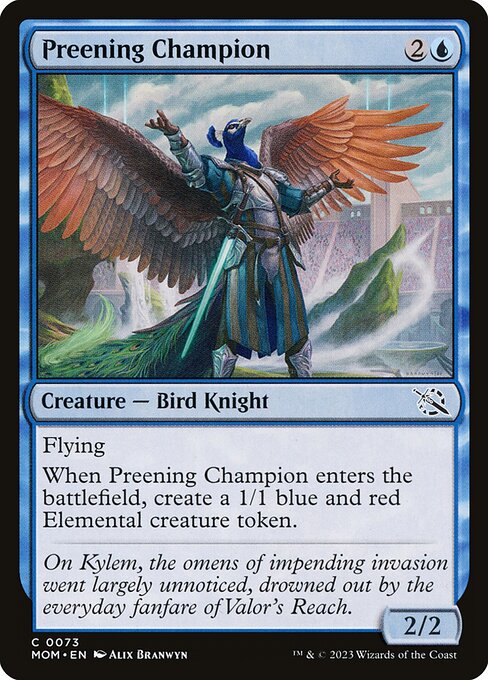
From
Preening Champion
 Preening Champion
Flying
Preening Champion
Flying
When this creature enters, create a 1/1 blue and red Elemental creature token.
to
Waterwind Scout
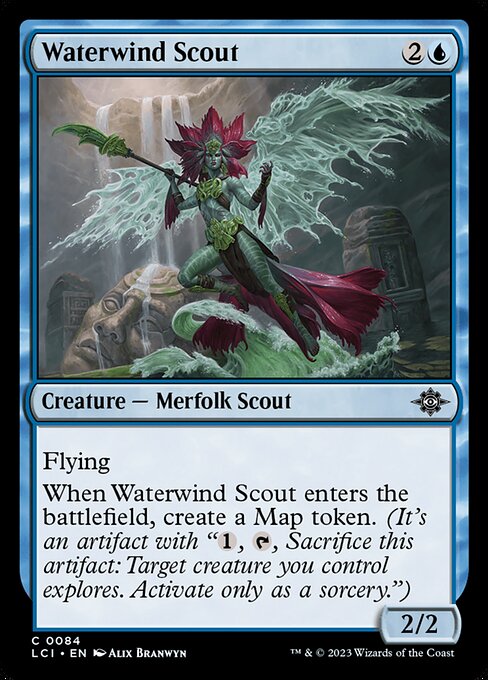 Waterwind Scout
Flying
Waterwind Scout
Flying
When this creature enters, create a Map token. (It's an artifact with "{1}, {T}, Sacrifice this token: Target creature you control explores. Activate only as a sorcery.")
, there have been a multitude of elite three-drop commons printed in the last couple years. As far as overall win rate is concerned, though, Inspiring Overseer takes the cake.
According to 17Lands.com, a site that helps track relevant data associated with Limited gameplay on MTG Arena, Inspiring Overseer had a 58.9% win rate when maindecked, which is truly incredible. For reference, there is a full 0.7% difference between Overseer and
Raffine’s Informant
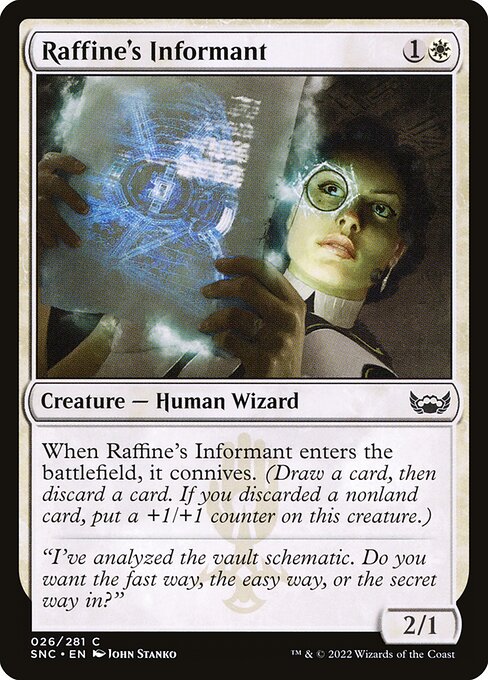 Raffine’s Informant
When this creature enters, it connives. (Draw a card, then discard a card. If you discarded a nonland card, put a +1/+1 counter on this creature.)
, the common with the second highest win rate when maindecked. While that may not sound like a lot, it absolutely is compared to gaps in top common win rate within other sets.
Raffine’s Informant
When this creature enters, it connives. (Draw a card, then discard a card. If you discarded a nonland card, put a +1/+1 counter on this creature.)
, the common with the second highest win rate when maindecked. While that may not sound like a lot, it absolutely is compared to gaps in top common win rate within other sets.
In addition, Overseer has the fourth highest win rate when maindecked among cards of all rarities in the entire set! Unsurprisingly, cards like
Sanctuary Warden
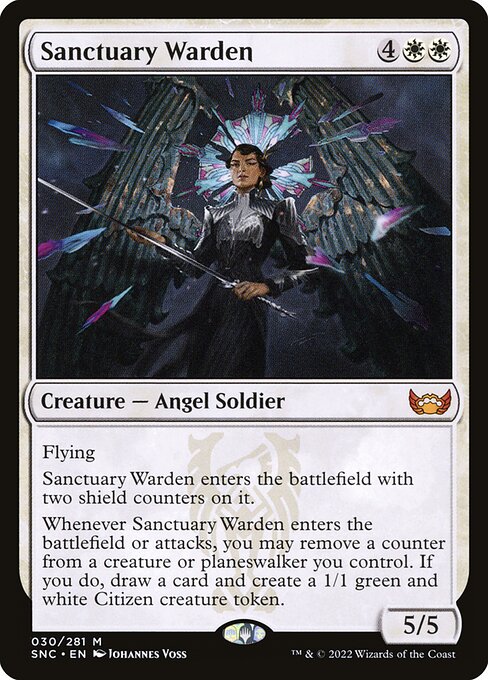 Sanctuary Warden
Flying
Sanctuary Warden
Flying
This creature enters with two shield counters on it.
Whenever this creature enters or attacks, you may remove a counter from a creature or planeswalker you control. If you do, draw a card and create a 1/1 green and white Citizen creature token.
still clear Overseer by a fair margin, but this still goes to show how strong the card is. Having an efficient Flying beater that inexplicably draws you a card when it enters at common in a premier set is honestly a bit mind-boggling.
Read More: MTG Players Show Off Fallout Printing Errors!
Sprout Swarm
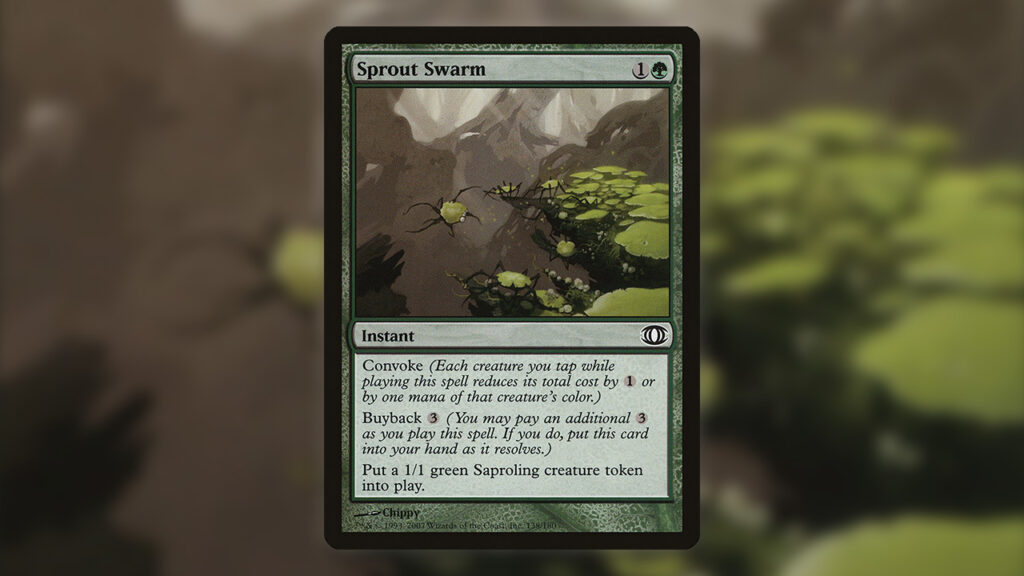
Sprout Swarm is a weird little card from Future Sight that gave players immense inevitability. The fact that you can use the card’s Convoke ability to help pay for its Buyback ability meant that this card would get out of control rather quickly. In any Creature-centric deck, you can begin by making a Saproling with likely minimal mana investment.
From there, each Saproling you create helps make recasting Sprout Swarm trivial. Even if a single 1/1 token isn’t a huge problem on its own, having to deal with a 1/1 token (or more) every turn for the rest of the game can be devastating. All things considered, in modern-day draft, Sprout Swarm may feel a little slow and clunky. Still, when it was printed over 15 years ago, this card was a house.
Read More: Forgotten 6-Cent Uncommon Suddenly Emerges in Multiple Formats!
Sparksmith
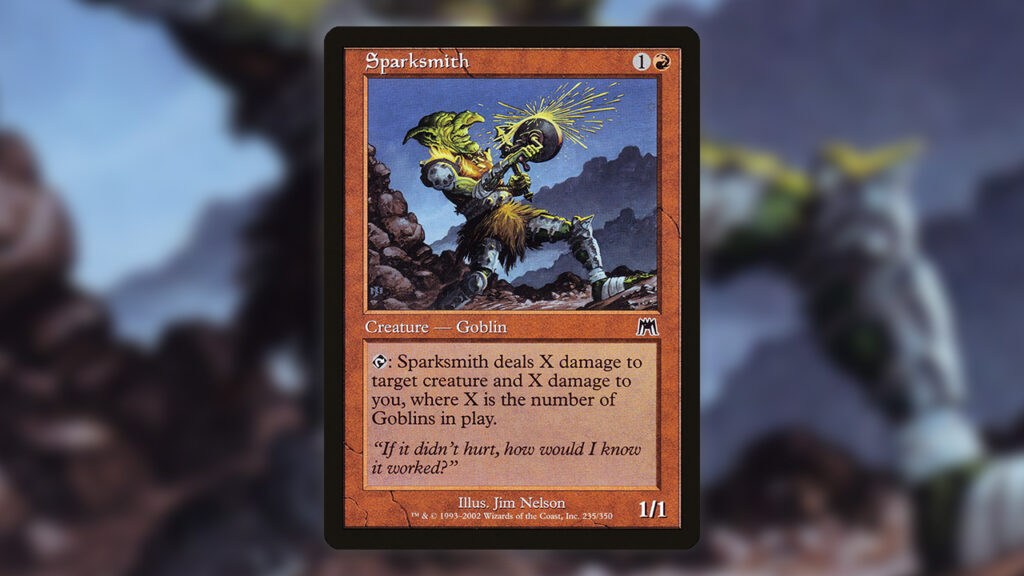
Going back even further to Onslaught which released over 20 years ago, Sparksmith was the real deal. With other cheap Goblins like Golin Sledder and
Skirk Prospector
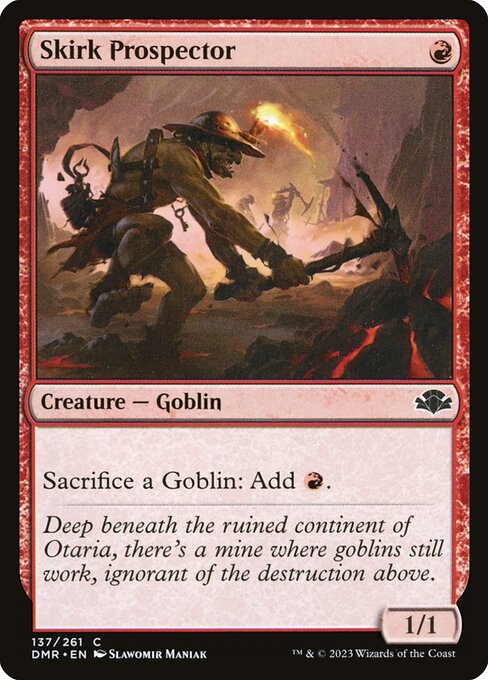 Skirk Prospector
Sacrifice a Goblin: Add {R}.
available at common as well, there was plenty of typal support to make Sparksmith pop off.
Skirk Prospector
Sacrifice a Goblin: Add {R}.
available at common as well, there was plenty of typal support to make Sparksmith pop off.
The reality is, though, this didn’t take much. Even a single other Goblin alongside Sparksmith made it easy to start mowing down opposing Morph Creatures. The drawback of having to take damage yourself in the process was well worth having access to repeatable removal on command.
Read More: Newly Revealed MTG Dungeon Confirmed Commander Illegal
Rolling Thunder
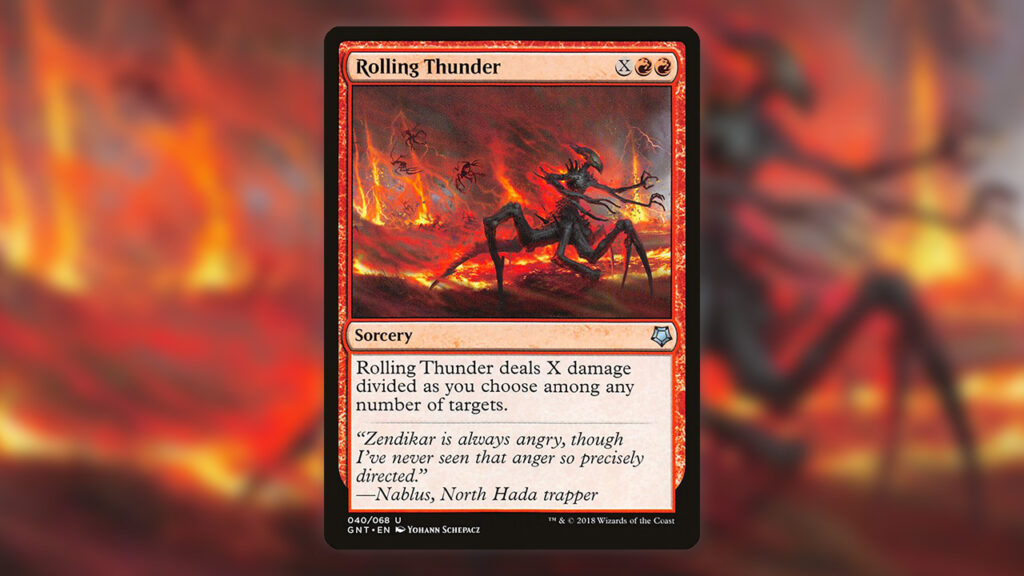
Rolling Thunder is a card with an incredibly high ceiling. It isn’t the most efficient card, especially when killing big Creatures. As such, when Rolling Thunder reappeared as an uncommon in Battle for Zendikar, it wasn’t overly oppressive. Given the number of massive Creatures and Eldrazi in the set, this isn’t too shocking.
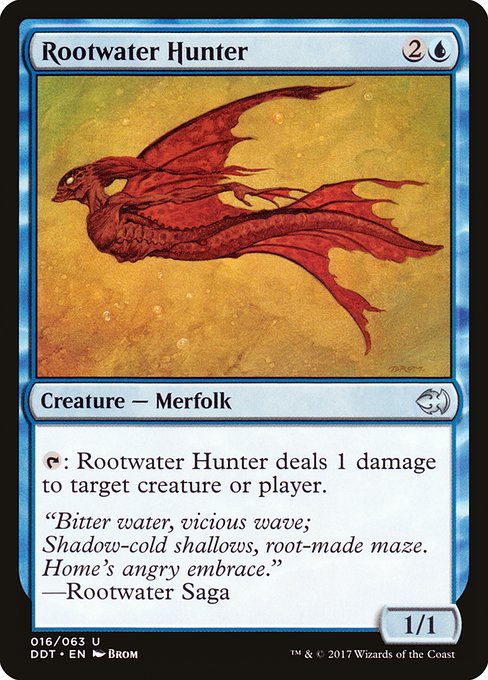
In Tempest, however, this card appeared as a common in a set where other top commons like
Dauthi Marauder
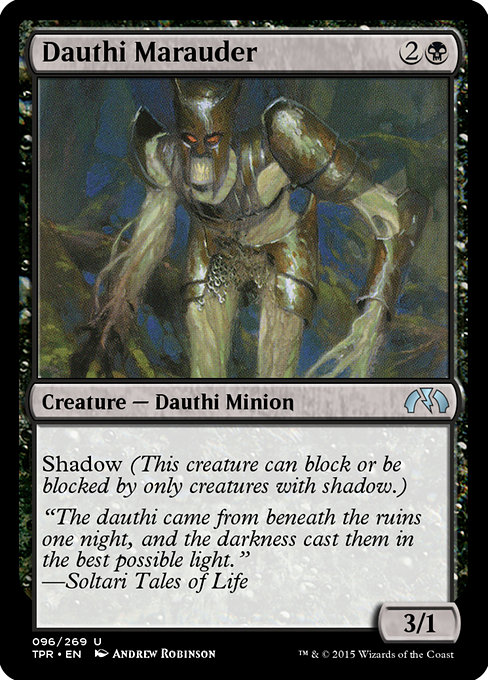 Dauthi Marauder
Shadow (This creature can block or be blocked by only creatures with shadow.)
and
Rootwater Hunter
Dauthi Marauder
Shadow (This creature can block or be blocked by only creatures with shadow.)
and
Rootwater Hunter
 Rootwater Hunter
{T}: This creature deals 1 damage to any target.
had low toughness. It wasn’t unreasonable to expect to cast Rolling Thunder for five or six mana and kill multiple threats on the opponent’s side. The longer the games go, the better Rolling Thunder becomes. Not to mention, it can even be a burn spell in a pinch, which is a nice bonus for an already strong card.
Rootwater Hunter
{T}: This creature deals 1 damage to any target.
had low toughness. It wasn’t unreasonable to expect to cast Rolling Thunder for five or six mana and kill multiple threats on the opponent’s side. The longer the games go, the better Rolling Thunder becomes. Not to mention, it can even be a burn spell in a pinch, which is a nice bonus for an already strong card.
Read More: MTG Players Want More Unique Adorable Creature Types
Gray Merchant of Asphodel
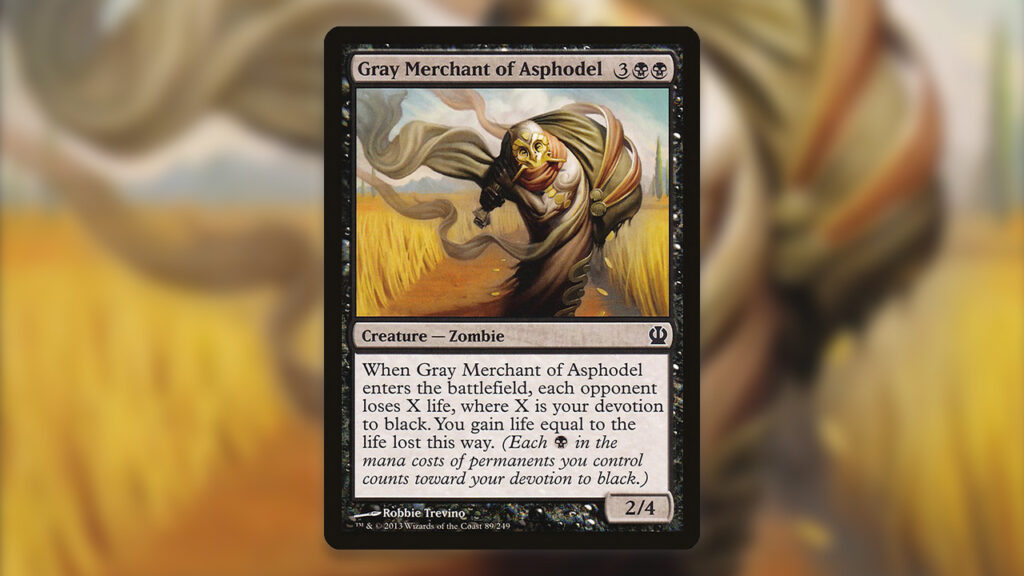
Gray Merchant emerged as a common in original Theros before ultimately being bumped up to uncommon in its return in Theros Beyond Death. Much like Rolling Thunder, this card had an incredibly high ceiling. At minimum, you get a 2/4 for five mana that drains the opponent for two when it enters the battlefield. This alone is a reasonable failsafe, but it’s not difficult to get Gray Merchant to drain the opponent for significantly more life.
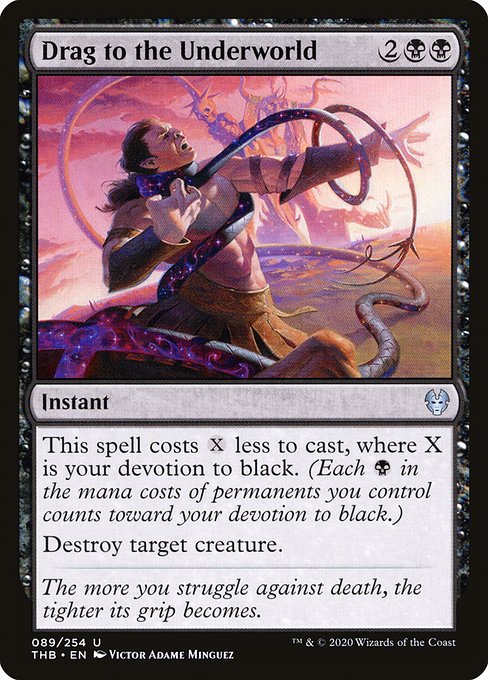
Interestingly, though, when Gray Merchant made its triumphant return in Theros Beyond Death, it was far from the scariest black uncommon. Removal spells like
Drag to the Underworld
 Drag to the Underworld
This spell costs {X} less to cast, where X is your devotion to black. (Each {B} in the mana costs of permanents you control counts toward your devotion to black.)
Drag to the Underworld
This spell costs {X} less to cast, where X is your devotion to black. (Each {B} in the mana costs of permanents you control counts toward your devotion to black.)
Destroy target creature.
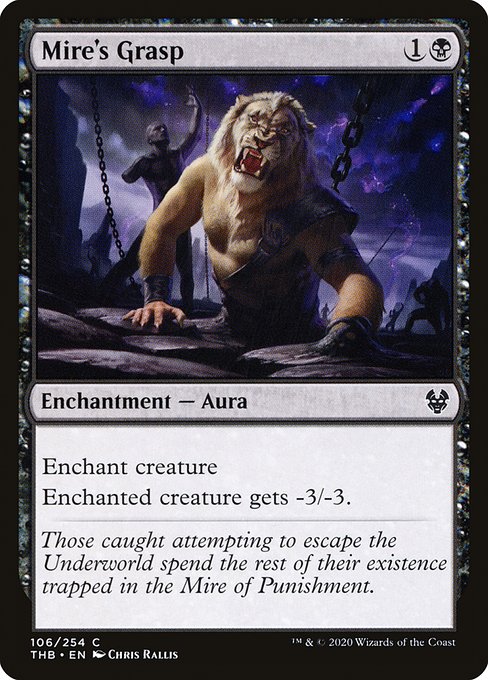
at uncommon and
Mire’s Grasp
 Mire’s Grasp
Enchant creature
Mire’s Grasp
Enchant creature
Enchanted creature gets -3/-3.
at common had much higher win rates that Gray Merchant according to 17lands.com data.
This isn’t to say that Gray Merchant wasn’t a powerful card, but more that it was much scarier in original Theros. This is likely, in part, due to the fact that elite Escape Creatures like
Pharika’s Spawn
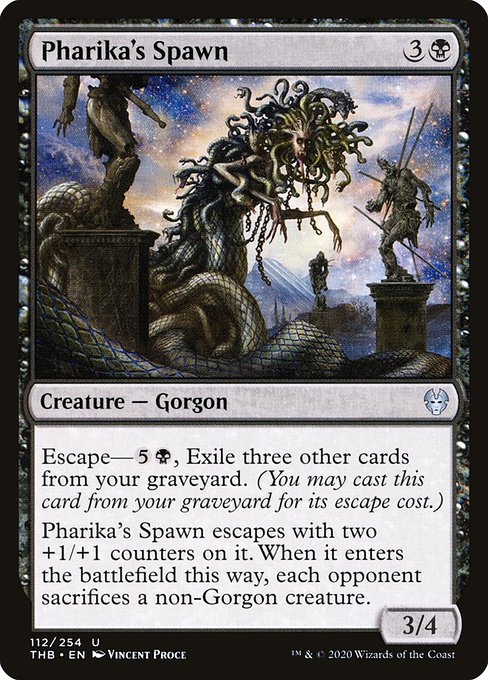 Pharika’s Spawn
Escape—{5}{B}, Exile three other cards from your graveyard. (You may cast this card from your graveyard for its escape cost.)
Pharika’s Spawn
Escape—{5}{B}, Exile three other cards from your graveyard. (You may cast this card from your graveyard for its escape cost.)
This creature escapes with two +1/+1 counters on it. When it enters this way, each opponent sacrifices a non-Gorgon creature of their choice.
gave players plenty of late-game plays that posed as stronger win conditions. In original Theros, though, Gray Merchant was rather difficult to beat when effectively built around.
There are tons of other commons from a variety of sets that were extremely strong in their day as well. Cards like
Pestilence
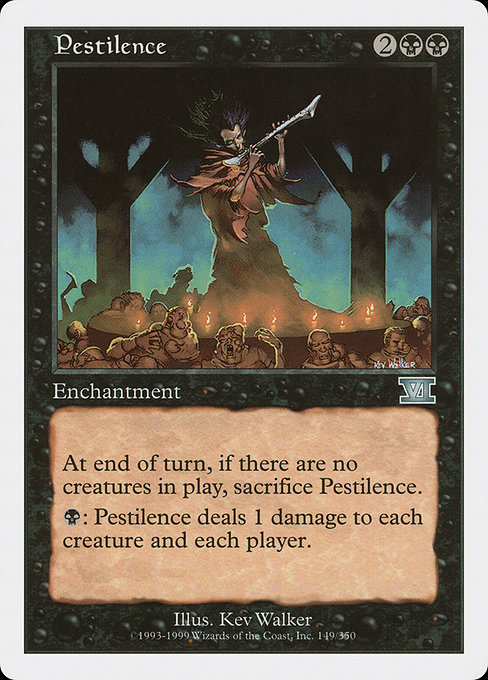 Pestilence
At the beginning of the end step, if no creatures are on the battlefield, sacrifice this enchantment.
Pestilence
At the beginning of the end step, if no creatures are on the battlefield, sacrifice this enchantment.
{B}: This enchantment deals 1 damage to each creature and each player.
, for instance, could completely take over games of Limited. If anything, these cards showcase that even low rarity cards can be quite powerful. Don’t always be fooled by flashy mythic rares. Sometimes, simple commons can guide you to victory if you let them.
Read More: 16 Incredibly Blurry Outlaws of Thunder Junction Cards Leaked