
Recently, the full decklist of the Timey-Wimey Doctor Who Commander deck was spoiled. This Commander deck in particular utilizes a very cool theme: Time Counters. Between cards with Vanishing, Suspend, and a subset of permanents that naturally can accrue Time Counters, the Timey-Wimey deck uses
The Tenth Doctor
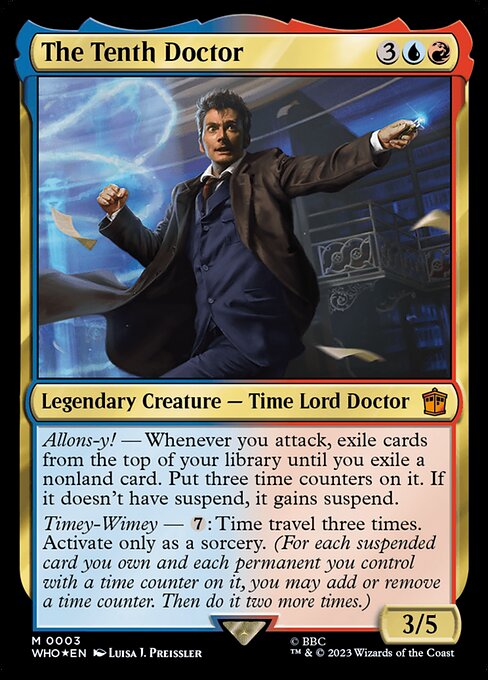 The Tenth Doctor
Allons-y! — Whenever you attack, exile cards from the top of your library until you exile a nonland card. Put three time counters on it. If it doesn't have suspend, it gains suspend.
The Tenth Doctor
Allons-y! — Whenever you attack, exile cards from the top of your library until you exile a nonland card. Put three time counters on it. If it doesn't have suspend, it gains suspend.
Timey-Wimey — {7}: Time travel three times. Activate only as a sorcery. (For each suspended card you own and each permanent you control with a time counter on it, you may add or remove a time counter. Then do it two more times.)
quite nicely as a Commander. This is thanks to the newly featured Time Travel mechanic which lets you add or remove Time Counters from permanents you control and cards you own in exile.
Of course, Time Counters are nothing new to MTG. Given the hype surrounding Doctor Who, we thought it would be a neat idea to go over the best cards in MTG’s history that feature Time Counters. Notably, we will not be incorporating new Doctor Who cards that have yet to make their presences felt in these rankings. Instead, we will be focusing on cards that have each had a major impact on MTG. With this in mind, let’s take a look at the best MTG Time Counter cards.
#5 Reality Acid
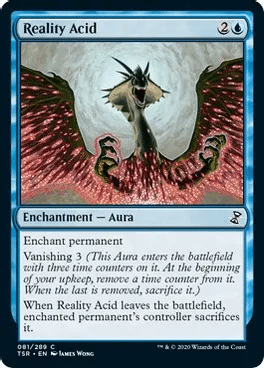
Reality Acid is a rather simple card, and one who’s competitive viability has certainly died down a bit given the rise in power creep in MTG. However, the card has seen play in Pauper and plenty of play in Commander decks showcasing
Brago, King Eternal
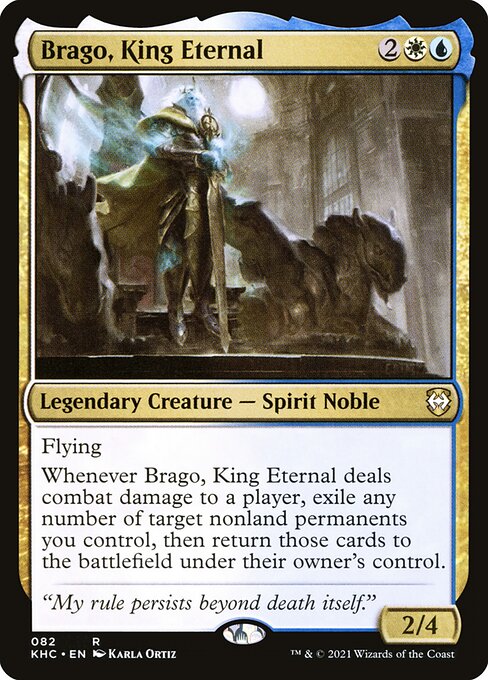 Brago, King Eternal
Flying
Brago, King Eternal
Flying
Whenever Brago deals combat damage to a player, exile any number of target nonland permanents you control, then return those cards to the battlefield under their owner's control.
or
Aminatou, the Fateshifter
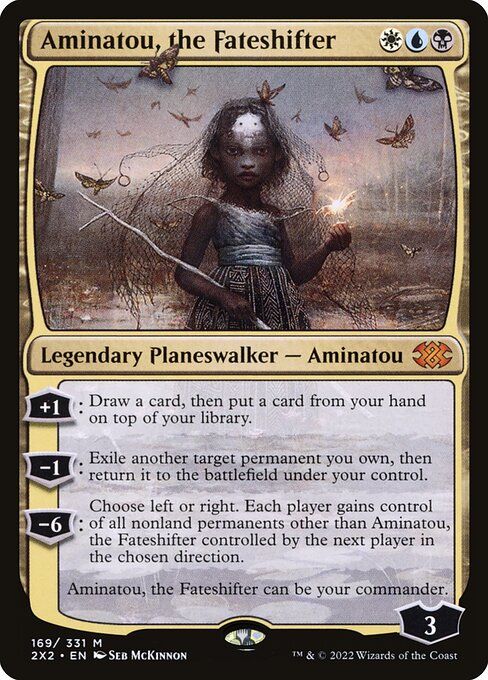 Aminatou, the Fateshifter
+1: Draw a card, then put a card from your hand on top of your library.
Aminatou, the Fateshifter
+1: Draw a card, then put a card from your hand on top of your library.
−1: Exile another target permanent you own, then return it to the battlefield under your control.
−6: Choose left or right. Each player gains control of all nonland permanents other than Aminatou controlled by the next player in the chosen direction.
Aminatou, the Fateshifter can be your commander.
, making it one of the more prominent cards with Vanishing. After all, the number of cards with Vanishing in MTG’s history is very minimal.
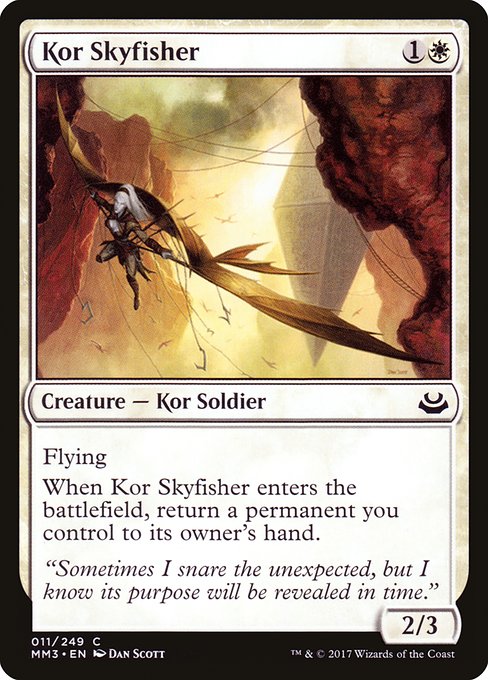
Much like some of the other cards on this list, what makes Reality Acid a strong card is the ability to abuse it. The intended use of the card is to wait until the Vanishing counters have been removed, then the Enchanted permanent is sacrificed. Instead, though, if you can find a way to “blink” Reality Acid (such as by connecting with Brago in combat), you can force your opponent to sacrifice their permanent ahead of schedule. In Pauper, players would use Reality Acid in conjunction with cards like
Kor Skyfisher
 Kor Skyfisher
Flying
Kor Skyfisher
Flying
When this creature enters, return a permanent you control to its owner's hand.
to slowly get rid of the opponent’s Lands. Getting to Enchant any permanent is powerful, and if you can repeatedly reset Reality Acid, you may be able to effectively lock your opponent out of casting spells.
Read More: New Doctor Who Previews Abuse Time Counters!
#4 Rift Bolt
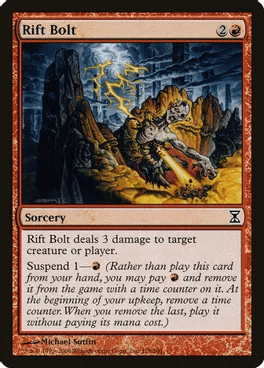
Rift Bolt is short, sweet, and to the point. It only has Suspend 1, and in the event you topdeck the card, you can simply pay three mana to cast it instead. Obviously, this card is worse than
Lightning Bolt
 Lightning Bolt
 deals 3 damage to any target.
, so decks that are just looking for a handful of red removal spells should look elsewhere. For decks looking for redundancy in the form of three-damage burn spells, this card is perfect.
Lightning Bolt
Lightning Bolt deals 3 damage to any target.
, so decks that are just looking for a handful of red removal spells should look elsewhere. For decks looking for redundancy in the form of three-damage burn spells, this card is perfect.
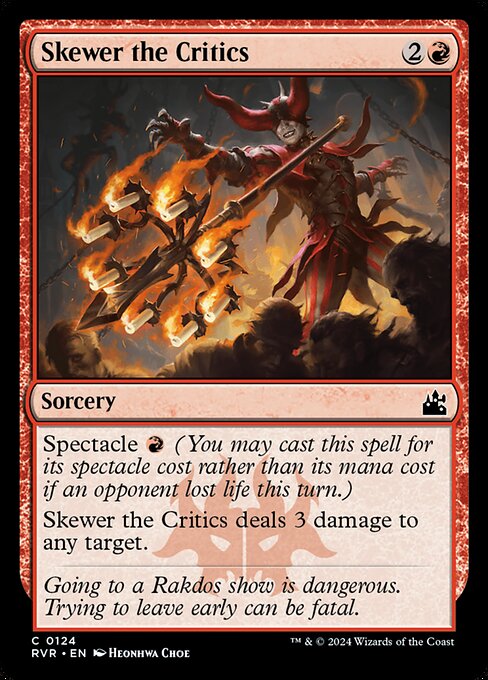
Modern Burn, for example, makes great use of this card. Despite being printed over 20 years ago, it’s still a staple in a tier one deck. Rift Bolt and
Skewer the Critics
 Skewer the Critics
Spectacle {R} (You may cast this spell for its spectacle cost rather than its mana cost if an opponent lost life this turn.)
Skewer the Critics
Spectacle {R} (You may cast this spell for its spectacle cost rather than its mana cost if an opponent lost life this turn.)
Skewer the Critics deals 3 damage to any target.
may not be flashy, but when you’re in the market for efficient spells to burn the opponent out with, they get the job done.
Read More: MTG Doctor Who What is Villainous Choice?
#3 Search for Tomorrow
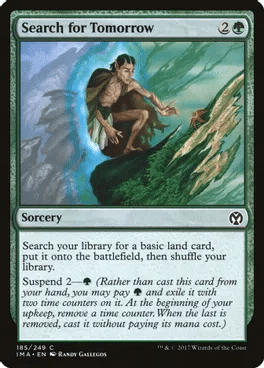
Search for Tomorrow, much like Rift Bolt, is a card with a cheap Suspend cost that can still be reasonably cast for three mana if drawn after the first couple turns. This card is an excellent inclusion in Modern
Scapeshift
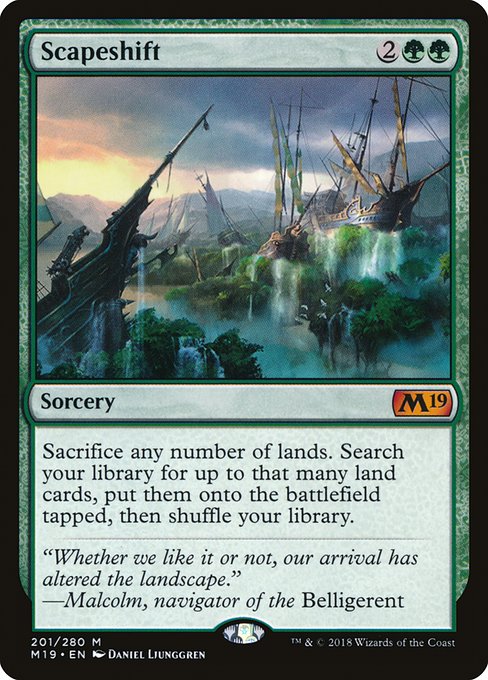 Scapeshift
Sacrifice any number of lands. Search your library for up to that many land cards, put them onto the battlefield tapped, then shuffle.
decks that win via
Valakut, the Molten Pinnacle
Scapeshift
Sacrifice any number of lands. Search your library for up to that many land cards, put them onto the battlefield tapped, then shuffle.
decks that win via
Valakut, the Molten Pinnacle
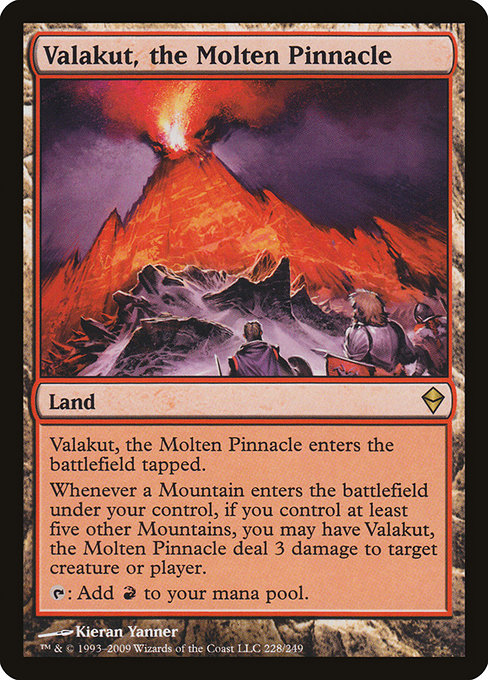 Valakut, the Molten Pinnacle
This land enters tapped.
Valakut, the Molten Pinnacle
This land enters tapped.
Whenever a Mountain you control enters, if you control at least five other Mountains, you may have this land deal 3 damage to any target.
{T}: Add {R}.
. The goal of Scapeshift decks is to get enough Lands in play so that when you cast Scapeshift, you can find Valakut and enough Mountains to burn the opponent out all at once.
Search for Tomorrow is a unique card in that it helps you ramp for as little as one mana, whereas some of the other ramp cards such as
Sakura-Tribe Elder
 Sakura-Tribe Elder
Sacrifice this creature: Search your library for a basic land card, put that card onto the battlefield tapped, then shuffle.
cost two mana. The most explosive starts for this deck involve Search for Tomorrow, earning it a spot on this list.
Sakura-Tribe Elder
Sacrifice this creature: Search your library for a basic land card, put that card onto the battlefield tapped, then shuffle.
cost two mana. The most explosive starts for this deck involve Search for Tomorrow, earning it a spot on this list.
Read More: MTG Doctor Who What is Doctor’s Companion?
#2 Lotus Bloom
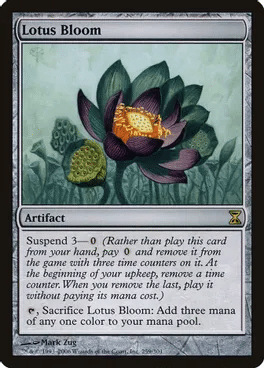
Lotus Bloom is one of a few Suspend cards that costs no mana at all to Suspend. It has Suspend 3, and just like
Black Lotus
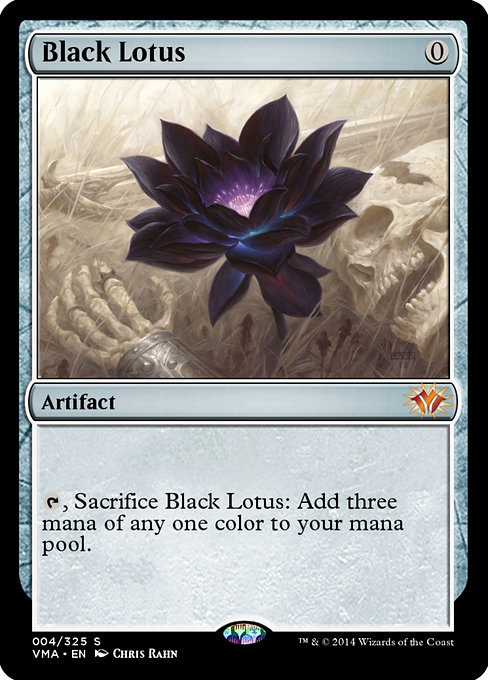 Black Lotus
{T}, Sacrifice this artifact: Add three mana of any one color.
, you can sacrifice it to add three mana of any color to your mana pool. While Lotus Bloom isn’t as strong as it once was, it still sees play in
Tameshi, Reality Architect
Black Lotus
{T}, Sacrifice this artifact: Add three mana of any one color.
, you can sacrifice it to add three mana of any color to your mana pool. While Lotus Bloom isn’t as strong as it once was, it still sees play in
Tameshi, Reality Architect
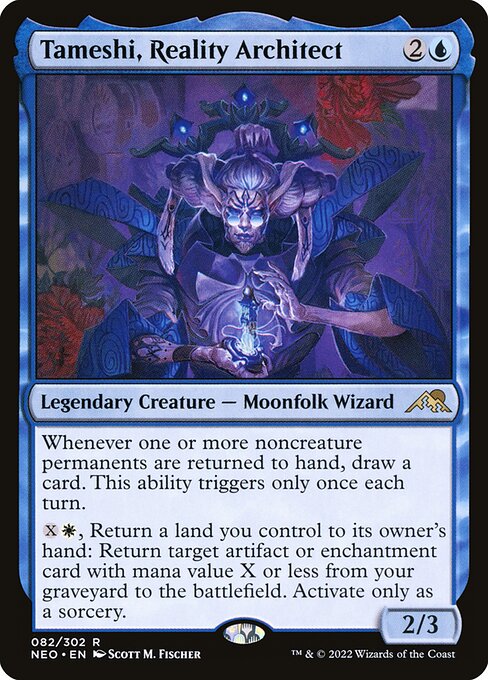 Tameshi, Reality Architect
Whenever one or more noncreature permanents are returned to hand, draw a card. This ability triggers only once each turn.
Tameshi, Reality Architect
Whenever one or more noncreature permanents are returned to hand, draw a card. This ability triggers only once each turn.
{X}{W}, Return a land you control to its owner's hand: Return target artifact or enchantment card with mana value X or less from your graveyard to the battlefield. Activate only as a sorcery.
combo decks that can search for Lotus Bloom via
Wargate
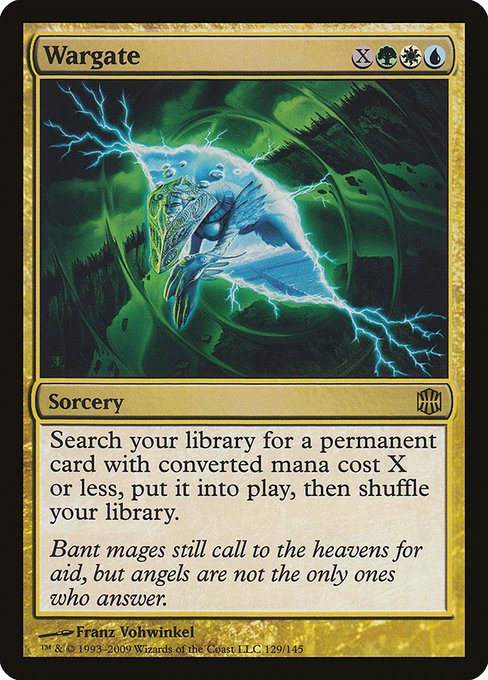 Wargate
Search your library for a permanent card with mana value X or less, put it onto the battlefield, then shuffle.
and put it directly into play. Lotus Bloom also saw a lot of play in Ad Nauseum combo decks in Modern for quite some time. This was a combo deck that typically won the game on turn four, just in time for Lotus Bloom to come off of Suspend.
Wargate
Search your library for a permanent card with mana value X or less, put it onto the battlefield, then shuffle.
and put it directly into play. Lotus Bloom also saw a lot of play in Ad Nauseum combo decks in Modern for quite some time. This was a combo deck that typically won the game on turn four, just in time for Lotus Bloom to come off of Suspend.
What gives this card a bit of a higher ranking on this list than some of the others was its contribution to Modern Eggs decks that eventually resulted in
Second Sunrise
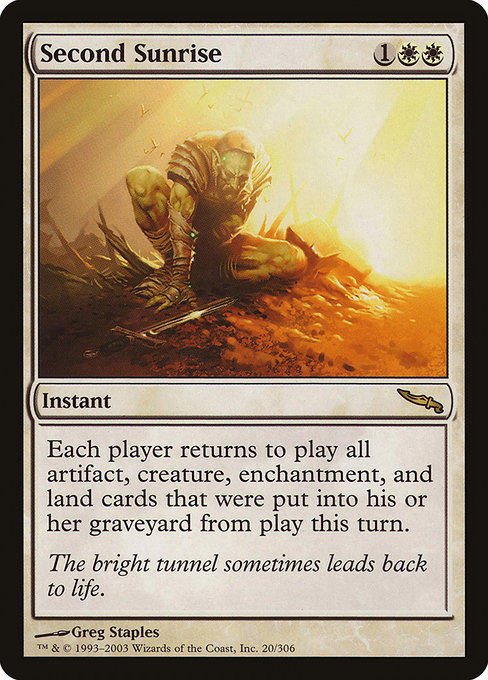 Second Sunrise
Each player returns to the battlefield all artifact, creature, enchantment, and land cards in their graveyard that were put there from the battlefield this turn.
getting banned. In this deck, you could use
Reshape
Second Sunrise
Each player returns to the battlefield all artifact, creature, enchantment, and land cards in their graveyard that were put there from the battlefield this turn.
getting banned. In this deck, you could use
Reshape
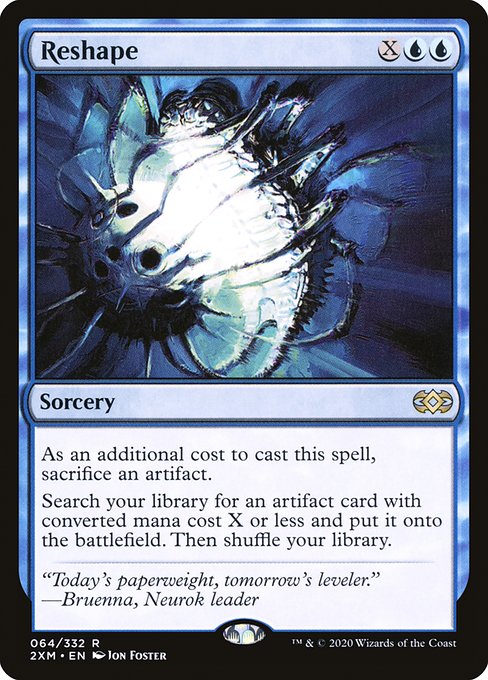 Reshape
As an additional cost to cast this spell, sacrifice an artifact.
Reshape
As an additional cost to cast this spell, sacrifice an artifact.
Search your library for an artifact card with mana value X or less, put it onto the battlefield, then shuffle.
to help find Lotus Bloom and put it directly into play, bypassing the delay caused by Suspend. With Lotus Bloom and enough Eggs in the graveyard, Second Sunrise acted as a combo piece, letting you return a whole slew of Artifacts back to the battlefield. Lotus Bloom has undoubtedly lost a bit of its luster since then, but its impact on MTG earns it a higher spot on this list.
That said, there is a minor movement in Modern trying to bring Eggs back, so you could be seeing Lotus bloom more than you expect.
Read More: MTG Doctor Who Release Date, Leaks, Spoilers, More
#1 Living End/Crashing Footfalls/Hypergenesis
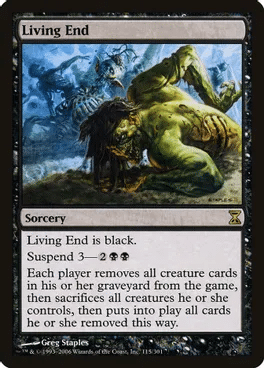
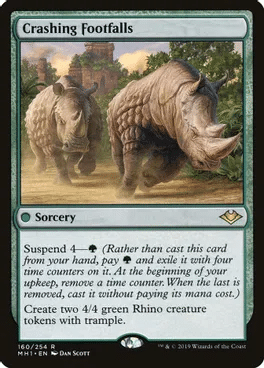
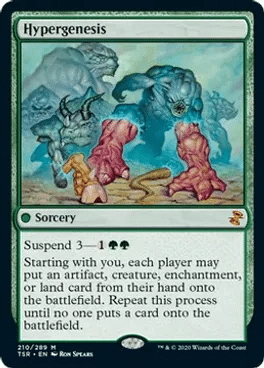
While each of these cards function a little differently and the decks that utilize them are built differently, they all have one thing in common: they work well with cheap Cascade spells. The goal with each of these cards is to cast cheap cards with Cascade, such as
Shardless Agent
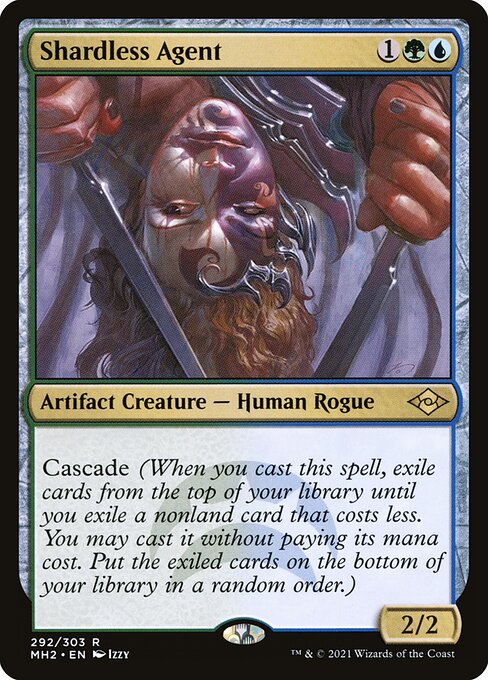 Shardless Agent
Cascade (When you cast this spell, exile cards from the top of your library until you exile a nonland card that costs less. You may cast it without paying its mana cost. Put the exiled cards on the bottom in a random order.)
or
Violent Outburst
Shardless Agent
Cascade (When you cast this spell, exile cards from the top of your library until you exile a nonland card that costs less. You may cast it without paying its mana cost. Put the exiled cards on the bottom in a random order.)
or
Violent Outburst
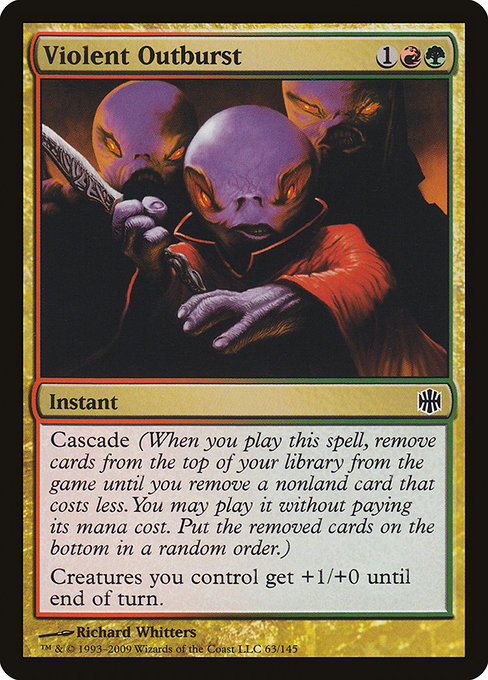 Violent Outburst
Cascade (When you cast this spell, exile cards from the top of your library until you exile a nonland card that costs less. You may cast it without paying its mana cost. Put the exiled cards on the bottom in a random order.)
Violent Outburst
Cascade (When you cast this spell, exile cards from the top of your library until you exile a nonland card that costs less. You may cast it without paying its mana cost. Put the exiled cards on the bottom in a random order.)
Creatures you control get +1/+0 until end of turn.
, in a deck filled with other cards that cost three or more mana. That is, except for these cards, which will then be reliably Cascaded into.
Modern Living End requires some setup, usually involving putting Creatures with Cycling into the graveyard. However, it is quite powerful when it resolves, and being able to play
Grief
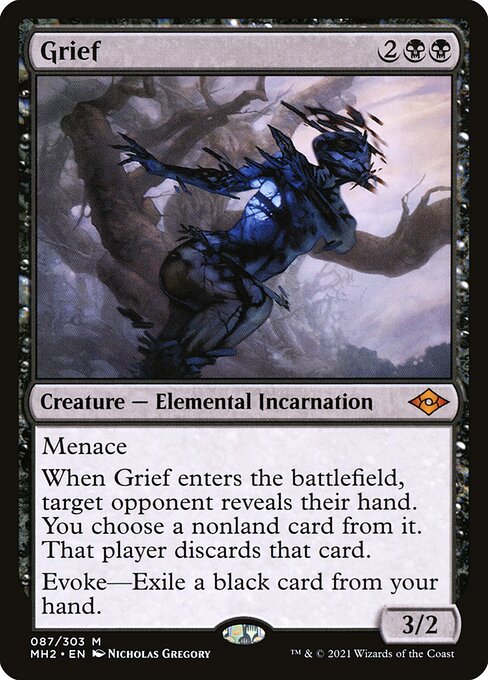 Grief
Menace
Grief
Menace
When this creature enters, target opponent reveals their hand. You choose a nonland card from it. That player discards that card.
Evoke—Exile a black card from your hand.
is a big bonus. Crashing Footfalls decks require less of a setup cost, but casting a single copy of Crashing Footfalls is less likely to be enough to win the game on its own. Still, these decks get to run interaction like
Force of Negation
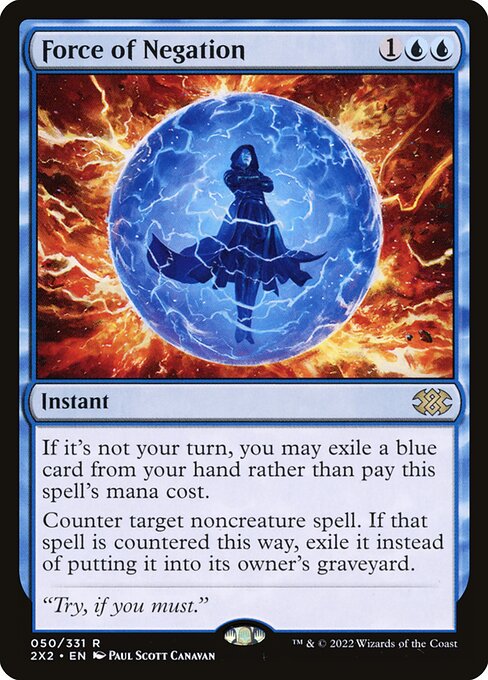 Force of Negation
If it's not your turn, you may exile a blue card from your hand rather than pay this spell's mana cost.
Force of Negation
If it's not your turn, you may exile a blue card from your hand rather than pay this spell's mana cost.
Counter target noncreature spell. If that spell is countered this way, exile it instead of putting it into its owner's graveyard.
and are very consistent, hence why the archetype shows up in Legacy as well.
Hypergenesis, on the other hand, is much more over the top, almost certainly winning the game when cast as long as you have something big like
Emrakul, the Aeons Torn
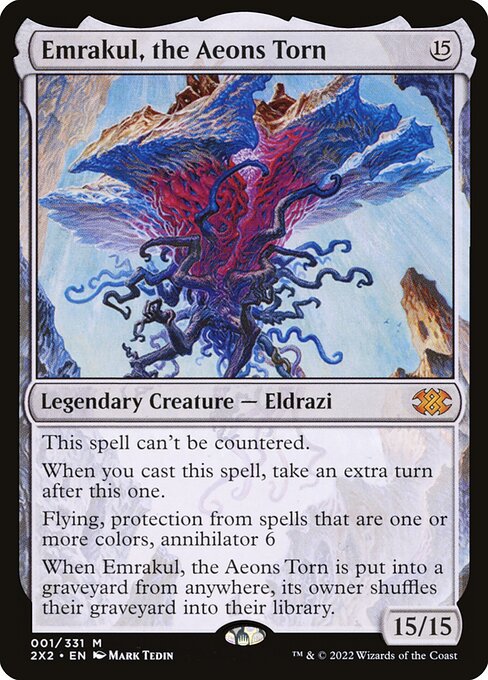 Emrakul, the Aeons Torn
This spell can't be countered.
Emrakul, the Aeons Torn
This spell can't be countered.
When you cast this spell, take an extra turn after this one.
Flying, protection from spells that are one or more colors, annihilator 6
When Emrakul is put into a graveyard from anywhere, its owner shuffles their graveyard into their library.
to put into play. Hypergenesis has outrageous play patterns as a result, causing the card to get banned in Modern many years ago. However, it was banned so early on that it’s unclear how much better Hypergenesis archetypes are than the other two Cascade cards mentioned. Therefore, we decided to group all of these cards together.
Frankly,
Glimpse of Tomorrow
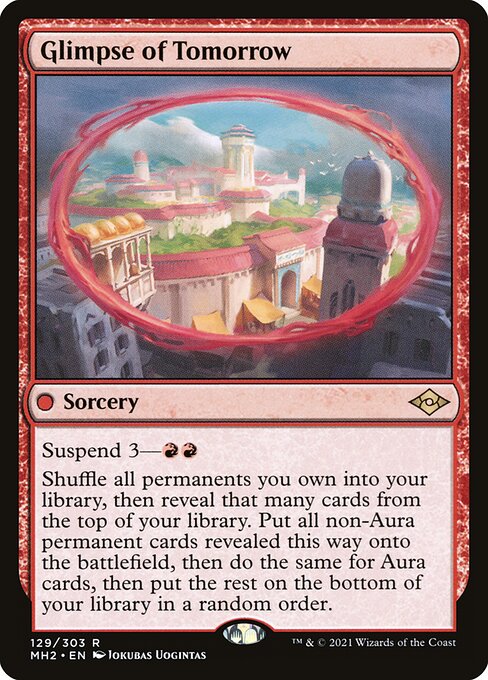 Glimpse of Tomorrow
Suspend 3—{R}{R}
Glimpse of Tomorrow
Suspend 3—{R}{R}
Shuffle all permanents you own into your library, then reveal that many cards from the top of your library. Put all non-Aura permanent cards revealed this way onto the battlefield, then do the same for Aura cards, then put the rest on the bottom of your library in a random order.
could have been mentioned here as well, but the setup cost for that deck is definitely a bit higher. Either way, these zero mana Suspend cards work so well with Cascade and are each so powerful that they collectively earn the top spot on this list.
Read More: MTG Doctor Who Card Showcases Incredible Game Design