
With Pro Tour Outlaws of Thunder Junction in its early stages, it’s no surprise that a lot of players are focused in on Standard. However, even though Standard is rightfully garnering plenty of attention, fans of Modern have a lot to look to talk about as well. Over the past few days, a multitude of intriguing Modern Horizons III cards have been leaked to the public. Undoubtedly one of the most hyped cards leaked thus far is Harbinger of the Seas, a new take on
Magus of the Moon
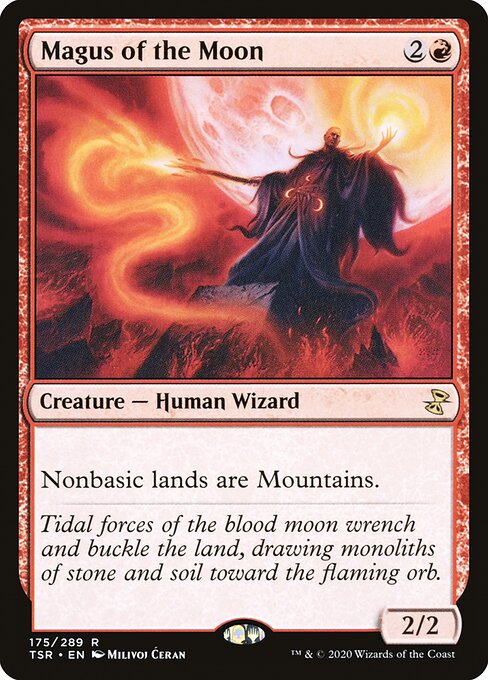 Magus of the Moon
Nonbasic lands are Mountains.
. Harbinger of the Seas has the potential to be a big upgrade for blue decks like Merfolk.
Magus of the Moon
Nonbasic lands are Mountains.
. Harbinger of the Seas has the potential to be a big upgrade for blue decks like Merfolk.
As it turns out, more elite blue Modern Horizons III leaks are coming out of the woodworks. Today, we are going to feature an amazing
Counterspell
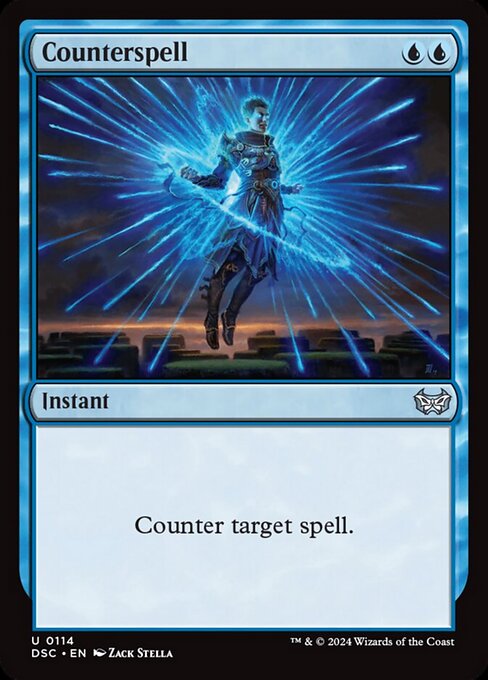 Counterspell
Counter target spell.
variant with a surprising level of flexibility.
Flare of Cultivation
Counterspell
Counter target spell.
variant with a surprising level of flexibility.
Flare of Cultivation
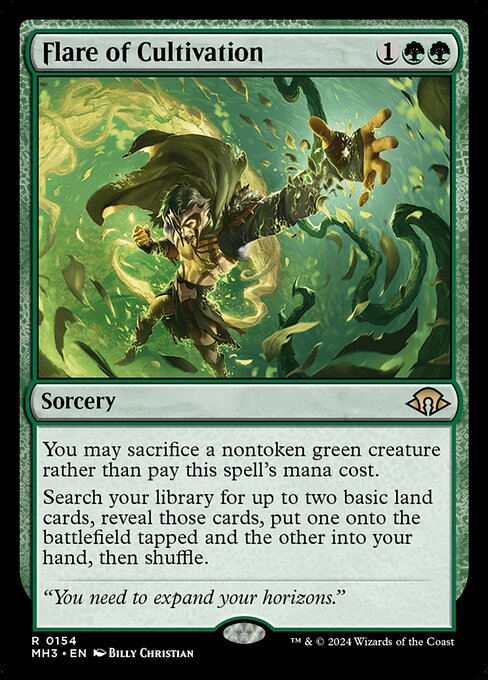 Flare of Cultivation
You may sacrifice a nontoken green creature rather than pay this spell's mana cost.
Flare of Cultivation
You may sacrifice a nontoken green creature rather than pay this spell's mana cost.
Search your library for up to two basic land cards, reveal those cards, put one onto the battlefield tapped and the other into your hand, then shuffle.
had already been spoiled, and now we get to see the new blue “free” spell, Flare of Denial, in all its glory.
Of note, this is once again merely an unofficial leak. As with other leaks, this card could turn out to be fake. We are going to discuss the card under the assumption that it is indeed real. If you’d like to wait for an official preview, consider this your spoiler warning. With that out of the way, it’s time to take a look at Flare of Denial and what makes it such a scary addition to Modern and beyond.
Comparing to Force of Negation
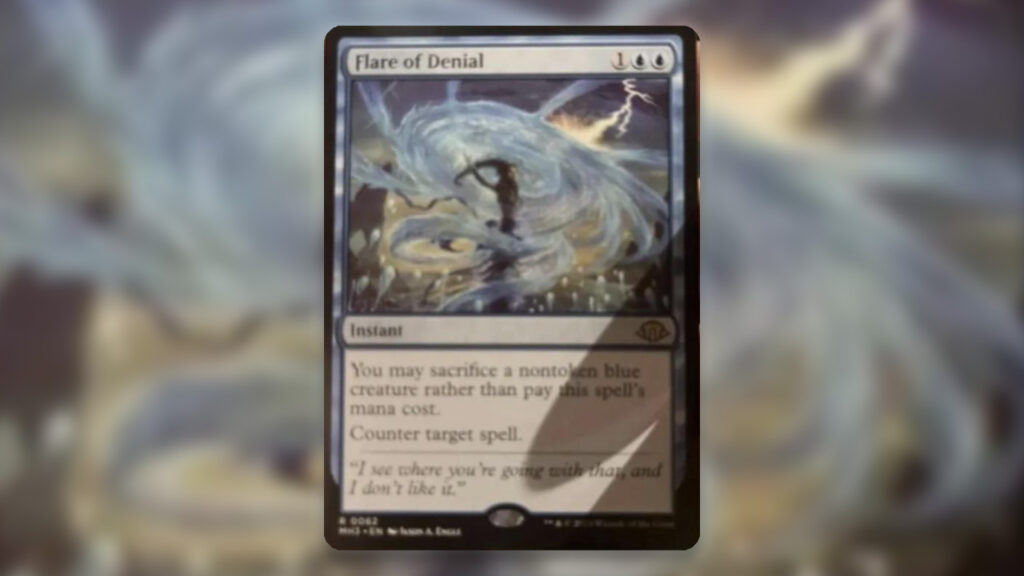
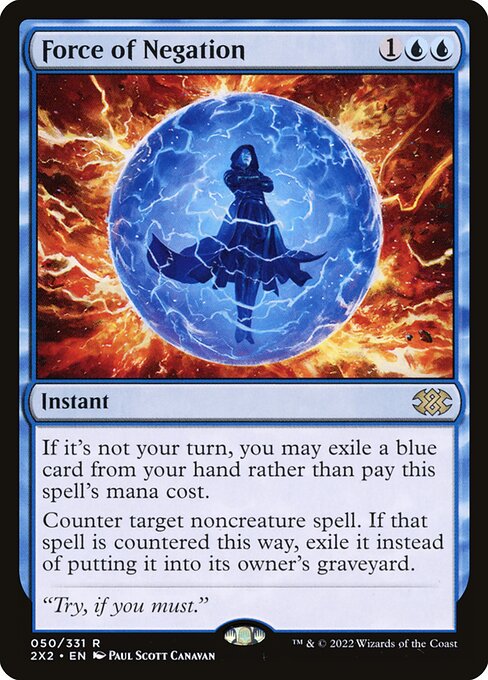
Right off the bat, Flare of Denial is likely to draw some direct comparisons to
Force of Negation
 Force of Negation
If it's not your turn, you may exile a blue card from your hand rather than pay this spell's mana cost.
Force of Negation
If it's not your turn, you may exile a blue card from your hand rather than pay this spell's mana cost.
Counter target noncreature spell. If that spell is countered this way, exile it instead of putting it into its owner's graveyard.
. Both cards are
Cancel
 Cancel
Counter target spell.
variants that provide you with the opportunity to bypass their mana costs. In the case of Force of Negation, you have to exile a blue card from your hand to play it for free. For Flare of Denial, you have to sacrifice a non-token blue Creature.
Cancel
Counter target spell.
variants that provide you with the opportunity to bypass their mana costs. In the case of Force of Negation, you have to exile a blue card from your hand to play it for free. For Flare of Denial, you have to sacrifice a non-token blue Creature.
For most decks, Force of Negation’s cost is much easier to pay. Flare of Denial generally requires you to sacrifice something you have already invested mana into, which is a big deal. There are also plenty of blue decks such as
Crashing Footfalls
 Crashing Footfalls
Suspend 4—{G} (Rather than cast this card from your hand, pay {G} and exile it with four time counters on it. At the beginning of your upkeep, remove a time counter. When the last is removed, you may cast it without paying its mana cost.)
Crashing Footfalls
Suspend 4—{G} (Rather than cast this card from your hand, pay {G} and exile it with four time counters on it. At the beginning of your upkeep, remove a time counter. When the last is removed, you may cast it without paying its mana cost.)
Create two 4/4 green Rhino creature tokens with trample.
shells that don’t have a high enough density of blue Creatures to utilize Flare of Denial. So, what makes Flare of Denial so intriguing?
The biggest appeal of Flare of Denial comes from its lack of restrictions as a Counterspell. First, Flare of Denial can hit Creatures. This opens the door for Flare of Denial to help in a much wider array of matchups. Getting to counter
Primeval Titan
 Primeval Titan
Trample
Primeval Titan
Trample
Whenever this creature enters or attacks, you may search your library for up to two land cards, put them onto the battlefield tapped, then shuffle.
at of nowhere, for instance, can be a backbreaking play.
Second, you can cast Flare of Denial for free on your own turn. This allows you to use Flare of Denial proactively to push through your own combo, akin to
Force of Will
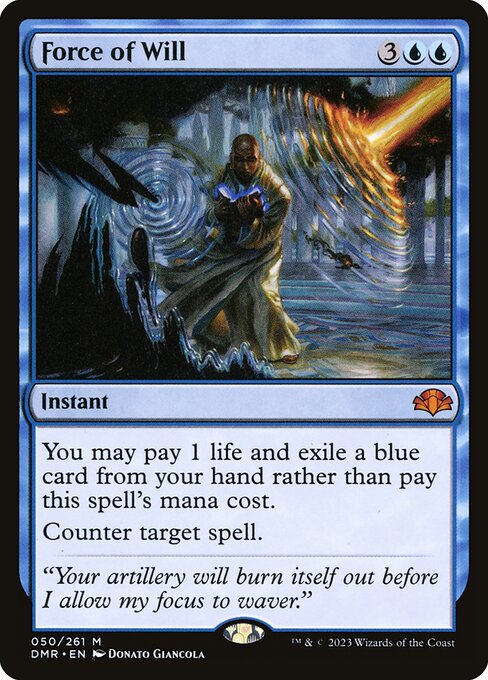 Force of Will
You may pay 1 life and exile a blue card from your hand rather than pay this spell's mana cost.
Force of Will
You may pay 1 life and exile a blue card from your hand rather than pay this spell's mana cost.
Counter target spell.
. If you’re a
Thassa’s Oracle
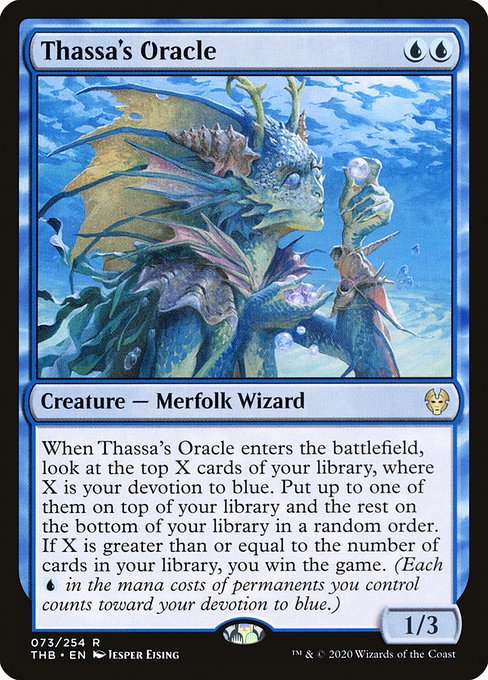 Thassa’s Oracle
When this creature enters, look at the top X cards of your library, where X is your devotion to blue. Put up to one of them on top of your library and the rest on the bottom of your library in a random order. If X is greater than or equal to the number of cards in your library, you win the game. (Each {U} in the mana costs of permanents you control counts toward your devotion to blue.)
EDH gamer, Flare of Denial may prove to be a strong addition as a result. The key, of course is making sure you have blue Creatures to sacrifice, which you ideally didn’t spend too much mana and resources to put into play. Fortunately, there are a few archetypes in Modern where Flare of Denial feels like a slam dunk.
Thassa’s Oracle
When this creature enters, look at the top X cards of your library, where X is your devotion to blue. Put up to one of them on top of your library and the rest on the bottom of your library in a random order. If X is greater than or equal to the number of cards in your library, you win the game. (Each {U} in the mana costs of permanents you control counts toward your devotion to blue.)
EDH gamer, Flare of Denial may prove to be a strong addition as a result. The key, of course is making sure you have blue Creatures to sacrifice, which you ideally didn’t spend too much mana and resources to put into play. Fortunately, there are a few archetypes in Modern where Flare of Denial feels like a slam dunk.
Read More: $1000 Lorcana Store Championship Prizes Put MTG to Shame
An Obvious Consideration
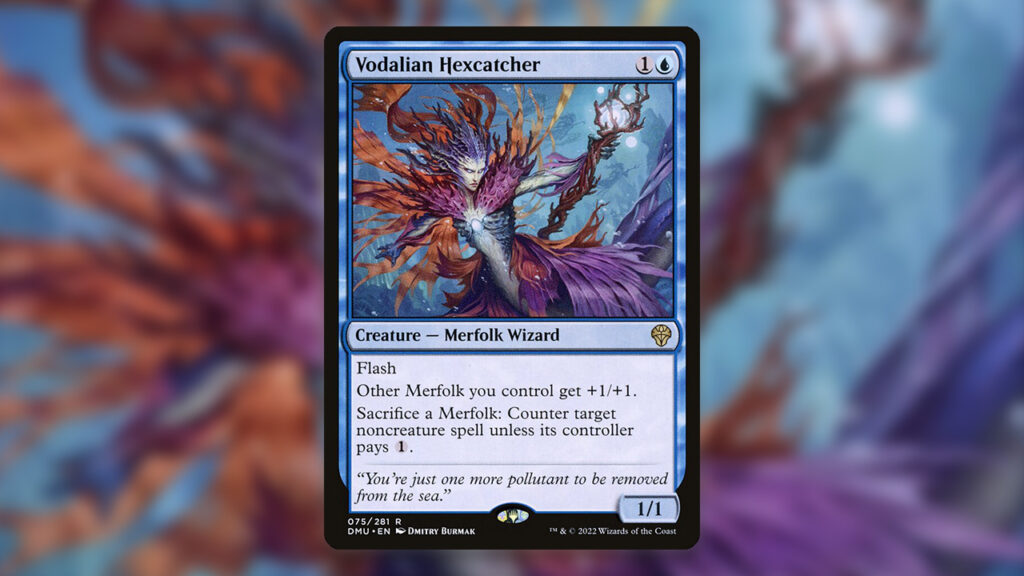
Likely one of the easiest archetypes to slot Flare of Denial into without much extra effort is Modern Merfolk. Merfolk is one of the few decks in Modern that floods the board with cheap, blue Creatures. Thanks to
Aether Vial
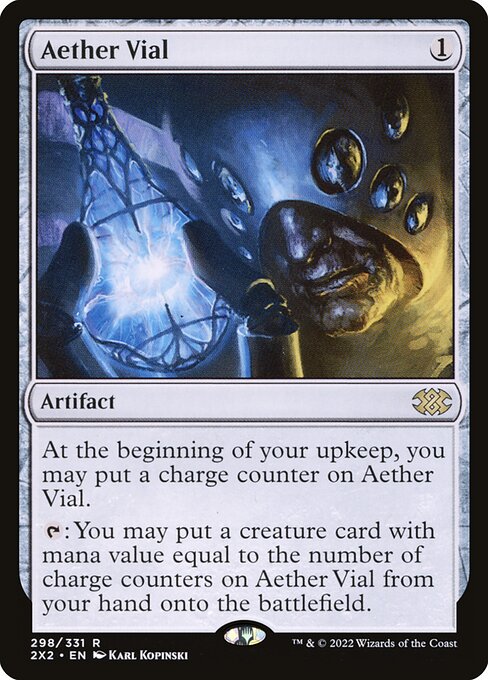 Aether Vial
At the beginning of your upkeep, you may put a charge counter on this artifact.
Aether Vial
At the beginning of your upkeep, you may put a charge counter on this artifact.
{T}: You may put a creature card with mana value equal to the number of charge counters on this artifact from your hand onto the battlefield.
, it’s often trivial to build out a board in short order. As such, enabling Flare of Denial isn’t too tricky.
Current builds of Modern Merfolk do an excellent overall at keeping non-Creature spells at bay. Beyond Force of Negation, Vodalian Hexcatcher does an incredible job at making sure potent non-Creature spells like
The One Ring
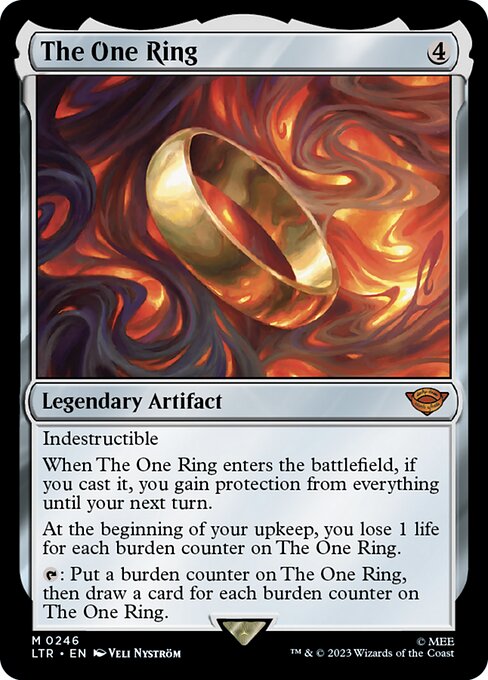 The One Ring
Indestructible
The One Ring
Indestructible
When The One Ring enters, if you cast it, you gain protection from everything until your next turn.
At the beginning of your upkeep, you lose 1 life for each burden counter on The One Ring.
{T}: Put a burden counter on The One Ring, then draw a card for each burden counter on The One Ring.
and
Living End
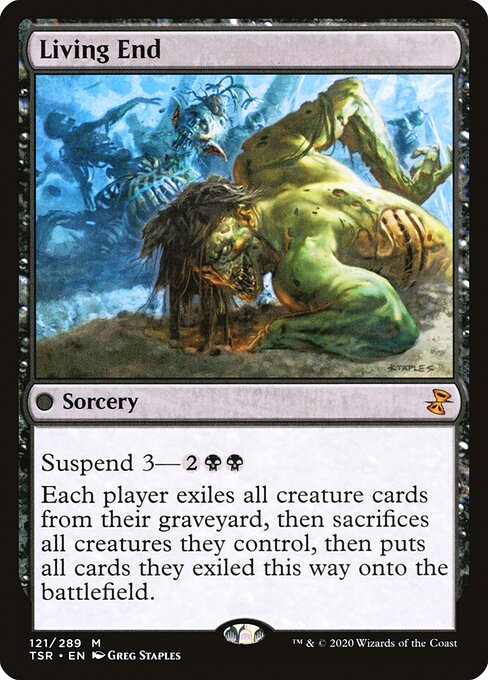 Living End
Suspend 3—{2}{B}{B}
Living End
Suspend 3—{2}{B}{B}
Each player exiles all creature cards from their graveyard, then sacrifices all creatures they control, then puts all cards they exiled this way onto the battlefield.
don’t resolve. However, things get a lot tougher when the opponent is playing game-breaking Creatures.
For instance, one of the hardest matchups for Modern Merfolk is Golgari
Yawgmoth, Thran Physician
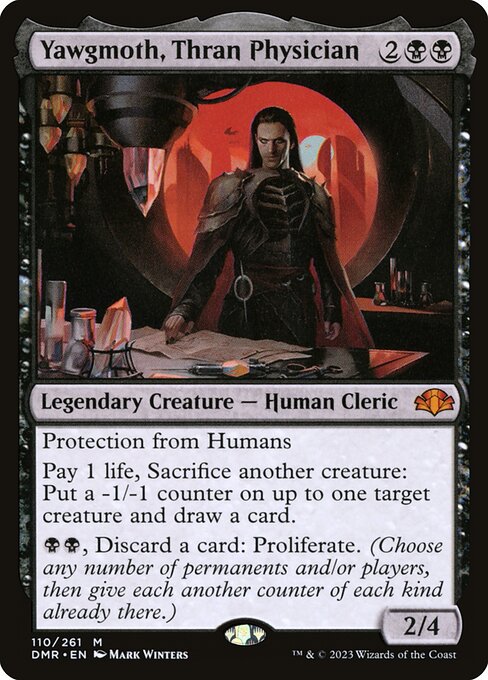 Yawgmoth, Thran Physician
Protection from Humans
Yawgmoth, Thran Physician
Protection from Humans
Pay 1 life, Sacrifice another creature: Put a -1/-1 counter on up to one target creature and draw a card.
{B}{B}, Discard a card: Proliferate. (Choose any number of permanents and/or players, then give each another counter of each kind already there.)
combo. Once Yawgmoth hits the board, it threatens to start killing your Creatures one by one and taking over the game. On top of that, an early
Grist, the Hunger Tide
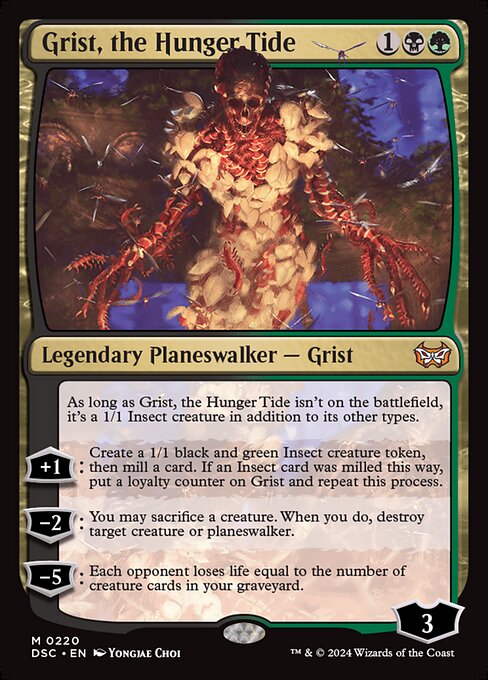 Grist, the Hunger Tide
As long as Grist isn't on the battlefield, it's a 1/1 Insect creature in addition to its other types.
Grist, the Hunger Tide
As long as Grist isn't on the battlefield, it's a 1/1 Insect creature in addition to its other types.
+1: Create a 1/1 black and green Insect creature token, then mill a card. If an Insect card was milled this way, put a loyalty counter on Grist and repeat this process.
−2: You may sacrifice a creature. When you do, destroy target creature or planeswalker.
−5: Each opponent loses life equal to the number of creature cards in your graveyard.
can take out your Lords or build an army of blockers.
Subtlety
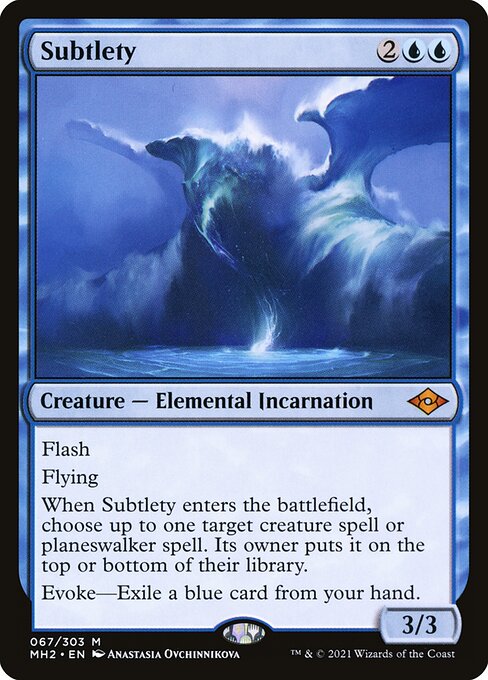 Subtlety
Flash
Subtlety
Flash
Flying
When this creature enters, choose up to one target creature spell or planeswalker spell. Its owner puts it on their choice of the top or bottom of their library.
Evoke—Exile a blue card from your hand.
can help delay these cards a turn, but unless you have a ton of pressure already assembled, this might not be good enough.
Luckily, Flare of Denial completely covers your bases. The only concern is that the deck does have a lot of Merfolk “Lords” that you won’t want to sacrifice. Still, getting rid of
Merfolk Trickster
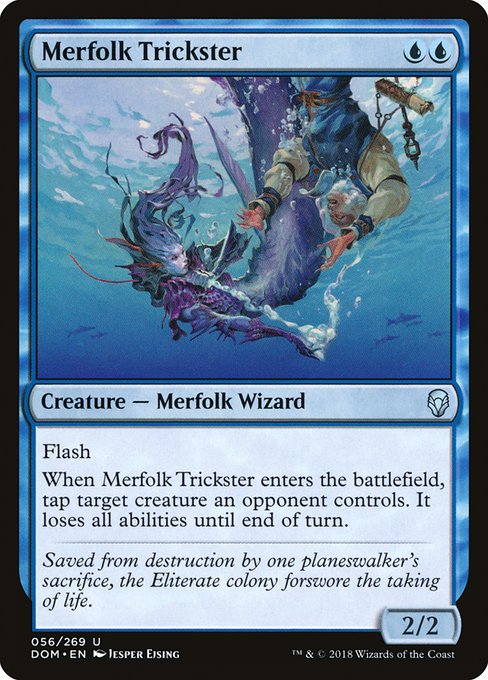 Merfolk Trickster
Flash
Merfolk Trickster
Flash
When this creature enters, tap target creature an opponent controls. It loses all abilities until end of turn.
or
Rishadan Dockhand
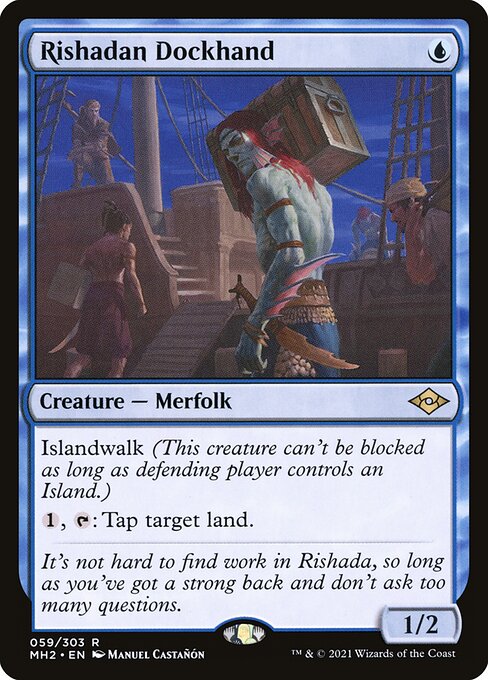 Rishadan Dockhand
Islandwalk (This creature can't be blocked as long as defending player controls an Island.)
Rishadan Dockhand
Islandwalk (This creature can't be blocked as long as defending player controls an Island.)
{1}, {T}: Tap target land.
to counter an opposing bomb can be a big swing in your favor. It may be worth increasing your one-drop count to further enable Flare of Denial. Between Yawgmoth,
Primeval Titan
Primeval Titan
Trample
Whenever this creature enters or attacks, you may search your library for up to two land cards, put them onto the battlefield tapped, then shuffle.
,
Murktide Regent
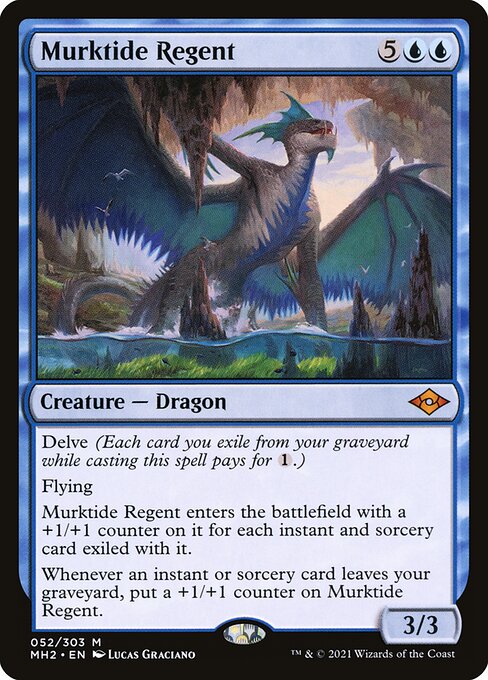 Murktide Regent
Delve (Each card you exile from your graveyard while casting this spell pays for {1}.)
Murktide Regent
Delve (Each card you exile from your graveyard while casting this spell pays for {1}.)
Flying
This creature enters with a +1/+1 counter on it for each instant and sorcery card exiled with it.
Whenever an instant or sorcery card leaves your graveyard, put a +1/+1 counter on this creature.
, and beyond, there are a lot of critical cards to counter that Force of Negation or Vodalian Hexcatcher simply won’t touch.
Read More: Key Big Score Card Price Spikes Over 1000%!
A Potentially Busted Interaction
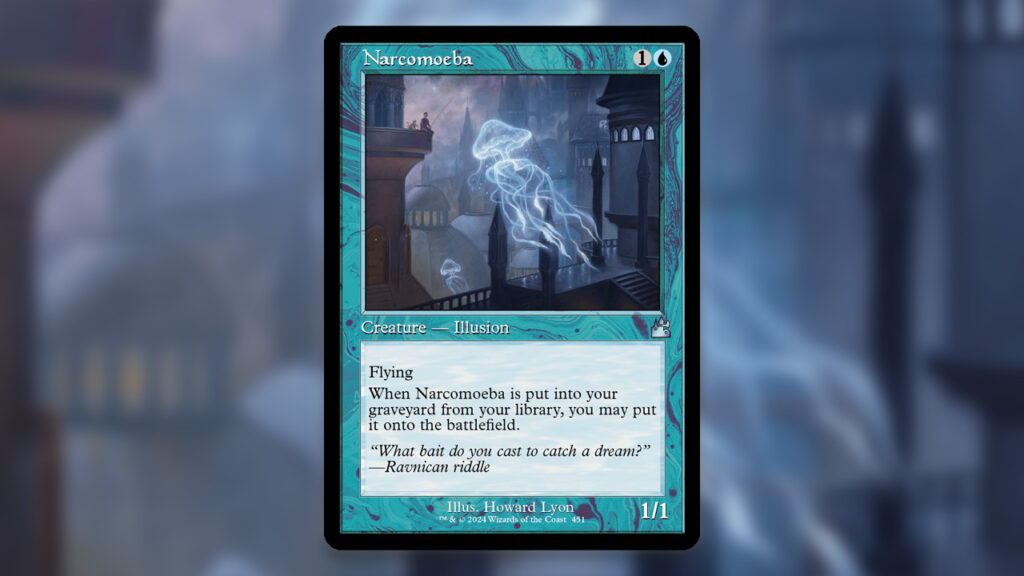
Obviously, there are plenty of decks that won’t be able to reliably have non-token blue Creatures in play to sacrifice. Even for Merfolk, sacrificing Creatures you already paid mana for isn’t exactly a good tempo play. However, what if you had access to blue Creatures that were both easily expendable and required no mana input? Enter: Dredge decks.
Dredge in Modern was once a force to be reckoned with in the format. It easily beat up on midrange strategies and Creature-decks that relied on combat damage to win the game.
Creeping Chill
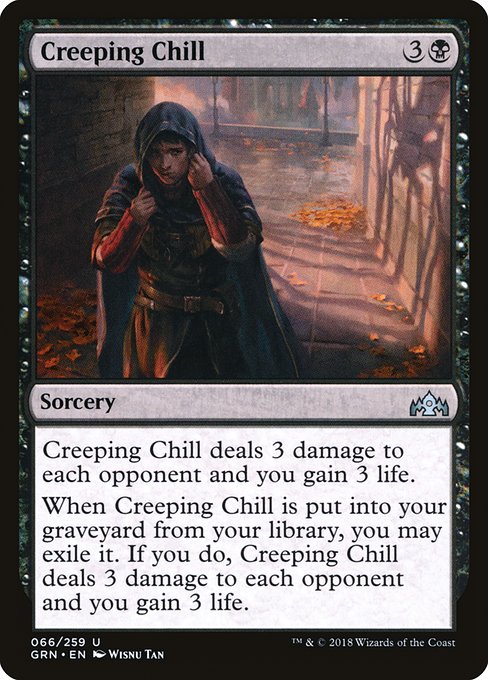 Creeping Chill
 deals 3 damage to each opponent and you gain 3 life.
Creeping Chill
Creeping Chill deals 3 damage to each opponent and you gain 3 life.
When Creeping Chill is put into your graveyard from your library, you may exile it. If you do, Creeping Chill deals 3 damage to each opponent and you gain 3 life.
and
Conflagrate
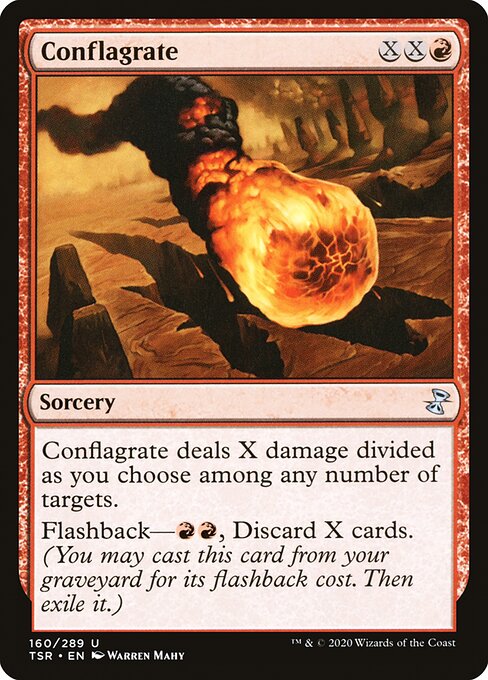 Conflagrate
 deals X damage divided as you choose among any number of targets.
Conflagrate
Conflagrate deals X damage divided as you choose among any number of targets.
Flashback—{R}{R}, Discard X cards. (You may cast this card from your graveyard for its flashback cost. Then exile it.)
made racing the Dredge deck a tough proposition. Meanwhile,
Life from the Loam
 Life from the Loam
Return up to three target land cards from your graveyard to your hand.
Life from the Loam
Return up to three target land cards from your graveyard to your hand.
Dredge 3 (If you would draw a card, you may mill three cards instead. If you do, return this card from your graveyard to your hand.)
,
Ox of Agonas
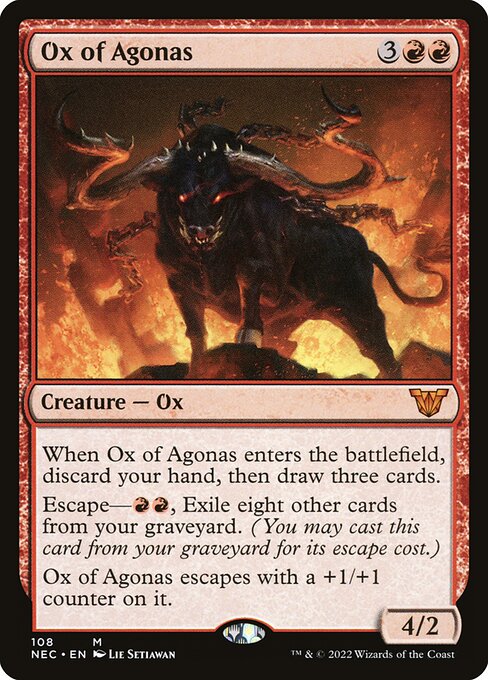 Ox of Agonas
When this creature enters, discard your hand, then draw three cards.
Ox of Agonas
When this creature enters, discard your hand, then draw three cards.
Escape—{R}{R}, Exile eight other cards from your graveyard. (You may cast this card from your graveyard for its escape cost.)
This creature escapes with a +1/+1 counter on it.
, and recursive threats like
Prized Amalgam
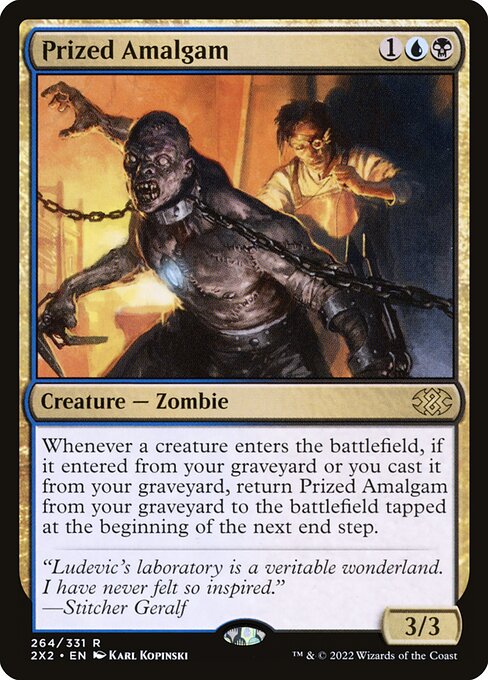 Prized Amalgam
Whenever a creature enters, if it entered from your graveyard or you cast it from your graveyard, return this card from your graveyard to the battlefield tapped at the beginning of the next end step.
made it quite difficult to win an attrition battle.
Prized Amalgam
Whenever a creature enters, if it entered from your graveyard or you cast it from your graveyard, return this card from your graveyard to the battlefield tapped at the beginning of the next end step.
made it quite difficult to win an attrition battle.
Unfortunately, Modern has become significantly faster and more combo-centric over the years. Modern Dredge is a bit slow and lacks disruption for combo archetypes, which has put it in an awkward spot. Perhaps the printing of Flare of Denial can change that.
Cards like
Cathartic Reunion
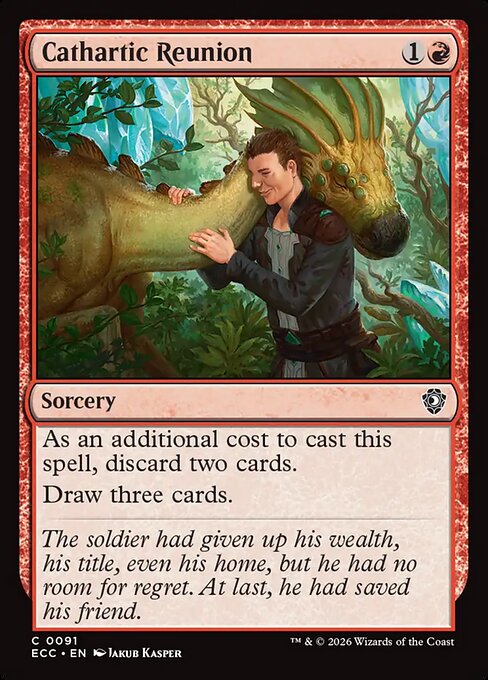 Cathartic Reunion
As an additional cost to cast this spell, discard two cards.
Cathartic Reunion
As an additional cost to cast this spell, discard two cards.
Draw three cards.
and Thrilling Discovery make sure that once you have a Dredge card in your graveyard, it’s not hard to flip a large portion of your library into your graveyard in one turn. In doing so, chances are you will hit a mix of Narcomoebas and Prized Amalgams that will enter the battlefield directly from your graveyard. Now, you have multiple Creatures to sacrifice at will to cast Flare of Denial, and bringing back Prized Amalgam is trivial! Flare of Denial may finally give this deck a fighting chance against Amulet Titan or
Indomitable Creativity
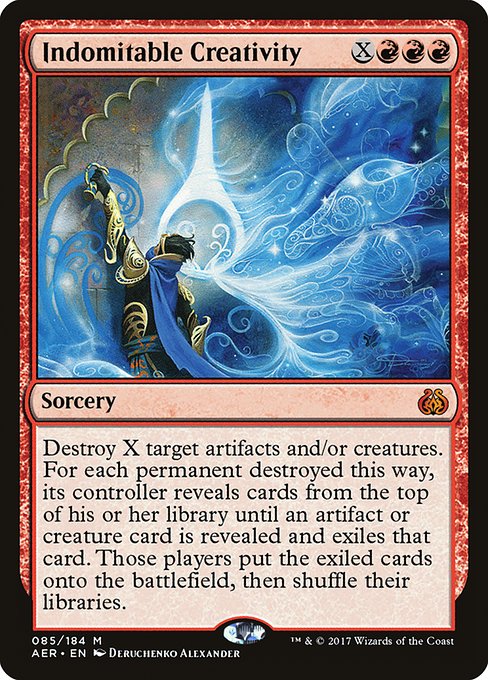 Indomitable Creativity
Destroy X target artifacts and/or creatures. For each permanent destroyed this way, its controller reveals cards from the top of their library until an artifact or creature card is revealed and exiles that card. Those players put the exiled cards onto the battlefield, then shuffle.
.
Indomitable Creativity
Destroy X target artifacts and/or creatures. For each permanent destroyed this way, its controller reveals cards from the top of their library until an artifact or creature card is revealed and exiles that card. Those players put the exiled cards onto the battlefield, then shuffle.
.
Read More: Ultimate Guard to Finally Create Licenced MTG Accessories
Digging Deeper
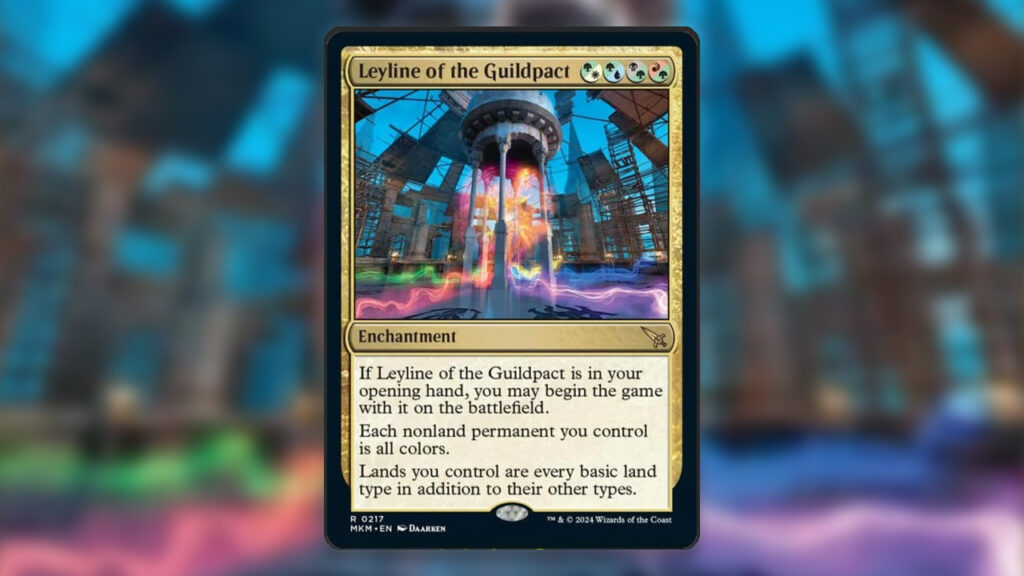
Funnily enough, another way to make Flare of Denial a little less restrictive is to throw in cards like Leyline of the Guildpact or Painter’s Servant. These cards then allow you to sacrifice Creatures of any color, which can be useful depending on the archetype.
For instance, with Painter’s Servant out, you can crack a Fetchland and grab Dryad Arbor as fuel to sacrifice to Flare of Denial. Albeit, this is quite niche, but could be a cool interaction from some Commander decks. In Legacy, it’s unlikely Flare of Denial will overtake
Pyroblast
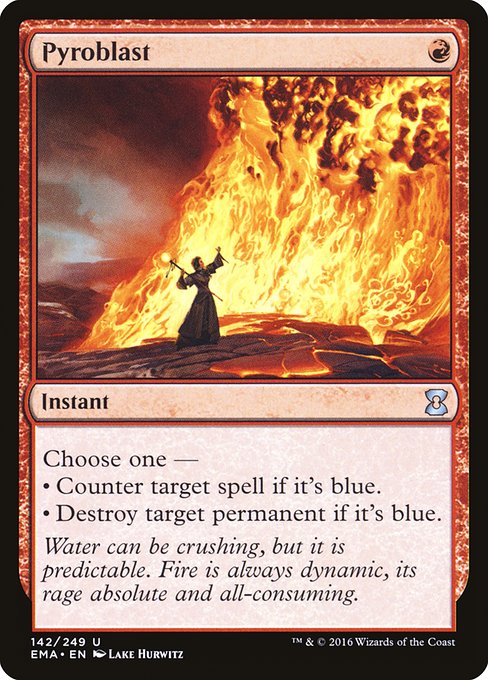 Pyroblast
Choose one —
Pyroblast
Choose one —
• Counter target spell if it's blue.
• Destroy target permanent if it's blue.
which benefits in a similar manner. Still, it’s something to keep an eye out for.
It’s possible Flare of Denial even strengthens Delver of Secrets or
Snapcaster Mage
 Snapcaster Mage
Flash
Snapcaster Mage
Flash
When this creature enters, target instant or sorcery card in your graveyard gains flashback until end of turn. The flashback cost is equal to its mana cost. (You may cast that card from your graveyard for its flashback cost. Then exile it.)
strategies in Modern. This card opens up a world of opportunities, so it’s up to us explore them and find the best fit!
Read More: Absurd MH3 Leaks Reveal ‘Fixed’ $250 Commander Card!