
Back when Commander Masters was spoiled in its entirety, one thing Constructed aficionados realized rather quickly was just how many reprints were downshifted in rarity. Specifically, a ton of cards were downshifted to common, making them legal in the Pauper format. Since the release of Commander Masters, a ton of these cards have drastically changed the metagame.
Cryptic Serpent
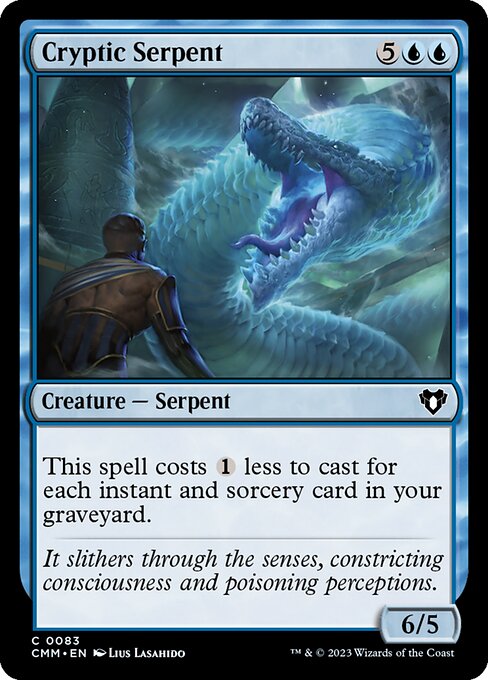 Cryptic Serpent
This spell costs {1} less to cast for each instant and sorcery card in your graveyard.
added extra redundancy to
Tolarian Terror
Cryptic Serpent
This spell costs {1} less to cast for each instant and sorcery card in your graveyard.
added extra redundancy to
Tolarian Terror
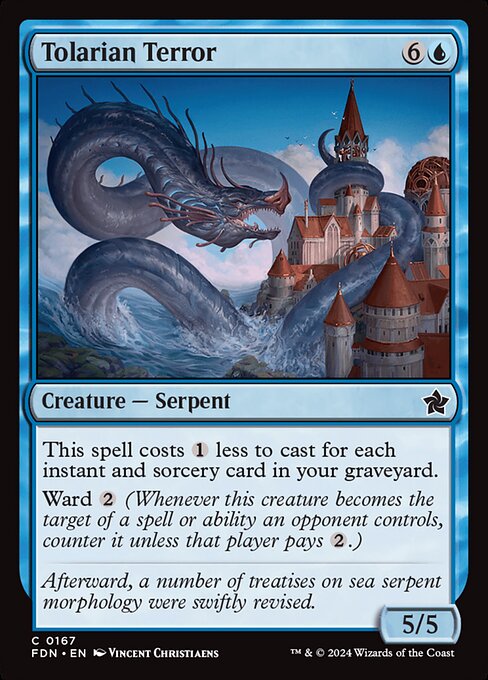 Tolarian Terror
This spell costs {1} less to cast for each instant and sorcery card in your graveyard.
Tolarian Terror
This spell costs {1} less to cast for each instant and sorcery card in your graveyard.
Ward {2} (Whenever this creature becomes the target of a spell or ability an opponent controls, counter it unless that player pays {2}.)
decks.
All that Glitters
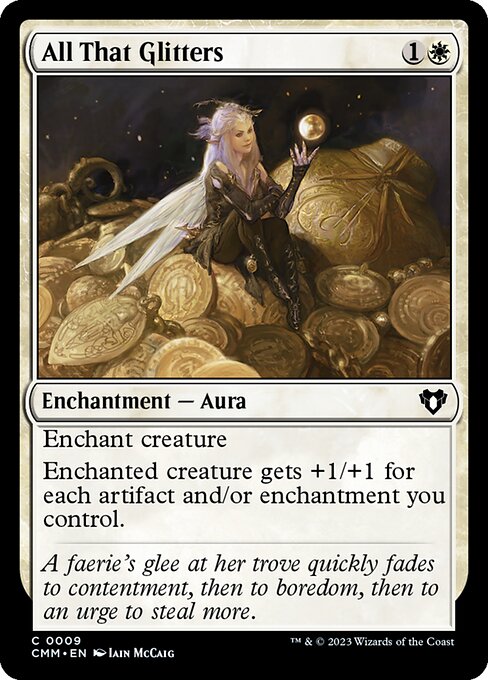 All that Glitters
Enchant creature
All that Glitters
Enchant creature
Enchanted creature gets +1/+1 for each artifact and/or enchantment you control.
helped revolutionize Affinity decks, as players moved towards Azorius builds focused more heavily on cheap, evasive Creatures like
Gingerbrute
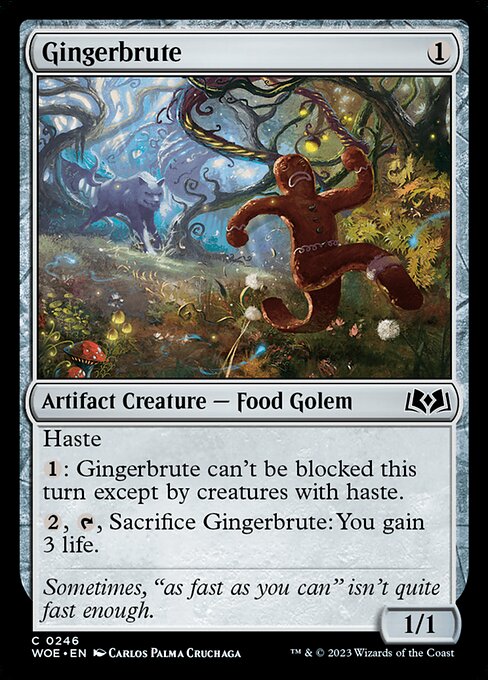 Gingerbrute
Haste (This creature can attack and {T} as soon as it comes under your control.)
Gingerbrute
Haste (This creature can attack and {T} as soon as it comes under your control.)
{1}: This creature can't be blocked this turn except by creatures with haste.
{2}, {T}, Sacrifice this creature: You gain 3 life.
. One of the cards that had a lot of hype around it initially was
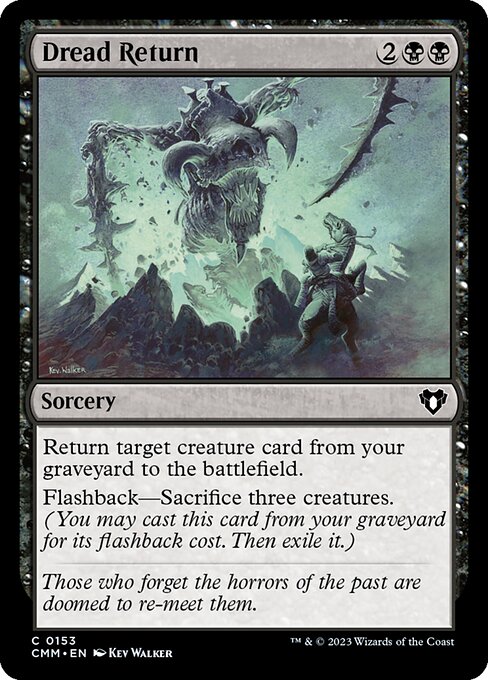
Dread Return
 Dread Return
Return target creature card from your graveyard to the battlefield.
Dread Return
Return target creature card from your graveyard to the battlefield.
Flashback—Sacrifice three creatures. (You may cast this card from your graveyard for its flashback cost. Then exile it.)
, but ultimately the hype slowly died down.
Initially, some players tried to use Dread Return alongside
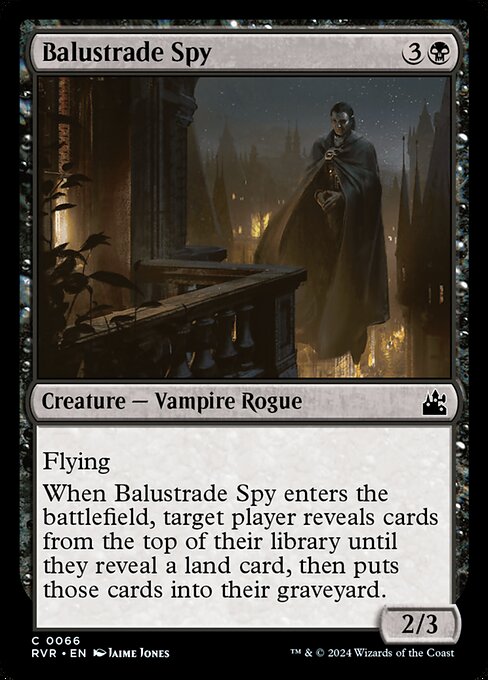
Balustrade Spy
 Balustrade Spy
Flying
Balustrade Spy
Flying
When this creature enters, target player reveals cards from the top of their library until they reveal a land card, then puts those cards into their graveyard.
to mill their entire deck and bring back
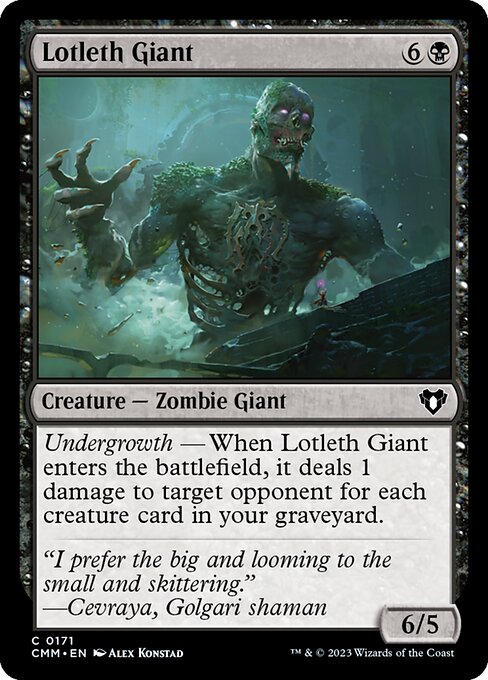
Lotleth Giant
 Lotleth Giant
Undergrowth — When this creature enters, it deals 1 damage to target opponent for each creature card in your graveyard.
from the graveyard to win the game. Unfortunately, this strategy was relatively inconsistent and easy to disrupt. However, it appears a new Dread Return deck has emerged in Pauper with even more potential. In fact, this archetype just recently made the finals of a Magic Online Pauper Challenge, showcasing its resiliency.
Lotleth Giant
Undergrowth — When this creature enters, it deals 1 damage to target opponent for each creature card in your graveyard.
from the graveyard to win the game. Unfortunately, this strategy was relatively inconsistent and easy to disrupt. However, it appears a new Dread Return deck has emerged in Pauper with even more potential. In fact, this archetype just recently made the finals of a Magic Online Pauper Challenge, showcasing its resiliency.
The Goal of the Deck
Much like the Balustrade Spy versions of old, the goal with this deck is to bring back Lotleth Giant from the graveyard to play using Dread Return. However, unlike previous iterations, this deck is not reliant on both drawing specifically Balustrade Spy and also having no Lands left in your library. Instead, this deck simply plays a bunch of cards that mill chunks of your library. Many of these cards are Creatures that help block and buy you time to help cast Dread Return.
Notably, without Balustrade Spy in the lineup, you are not restricted to running a very small number of Lands. As such, it is quite reasonable to cast Dread Return for four mana from your hand as well as use its Flashback ability. Creatures like
Mire Triton
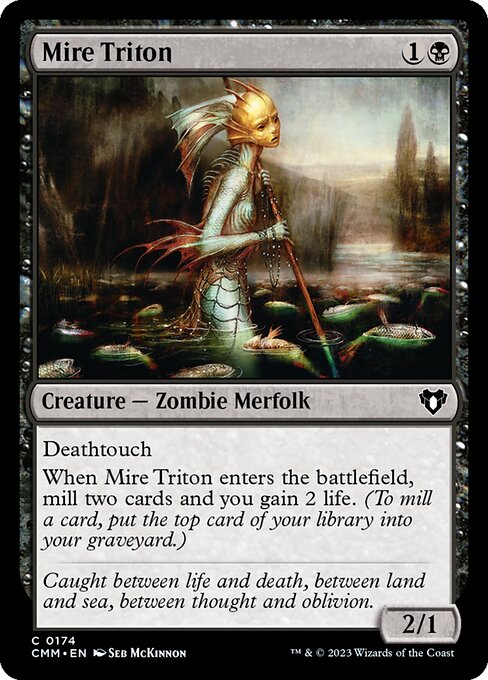 Mire Triton
Deathtouch
Mire Triton
Deathtouch
When this creature enters, mill two cards and you gain 2 life. (To mill a card, put the top card of your library into your graveyard.)
and
Satyr Wayfinder
 Satyr Wayfinder
When this creature enters, reveal the top four cards of your library. You may put a land card from among them into your hand. Put the rest into your graveyard.
fill multiple roles as ways to mill cards, add to your Creature count for Lotleth Giant, and help enable you to Flashback Dread Return. You can also mill over
Acorn Harvest
Satyr Wayfinder
When this creature enters, reveal the top four cards of your library. You may put a land card from among them into your hand. Put the rest into your graveyard.
fill multiple roles as ways to mill cards, add to your Creature count for Lotleth Giant, and help enable you to Flashback Dread Return. You can also mill over
Acorn Harvest
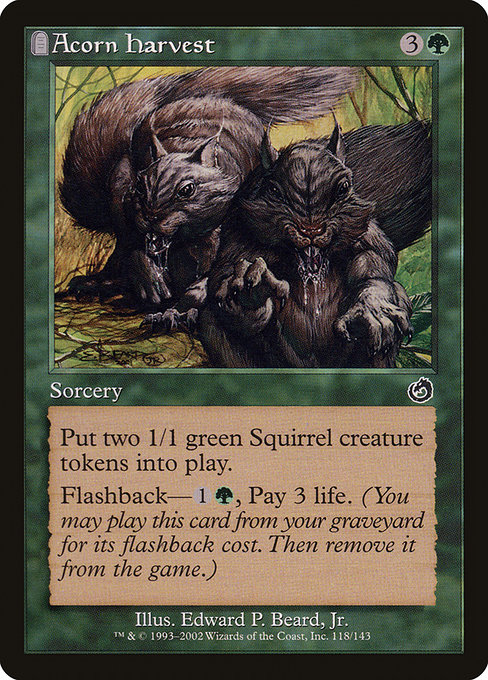 Acorn Harvest
Create two 1/1 green Squirrel creature tokens.
Acorn Harvest
Create two 1/1 green Squirrel creature tokens.
Flashback—{1}{G}, Pay 3 life. (You may cast this card from your graveyard for its flashback cost. Then exile it.)
, which can provide two of the three Creatures necessary to Flashback Dread Return.
While these Creatures can mill you for small chunks, things really start to get rolling once you mill over
Stinkweed Imp
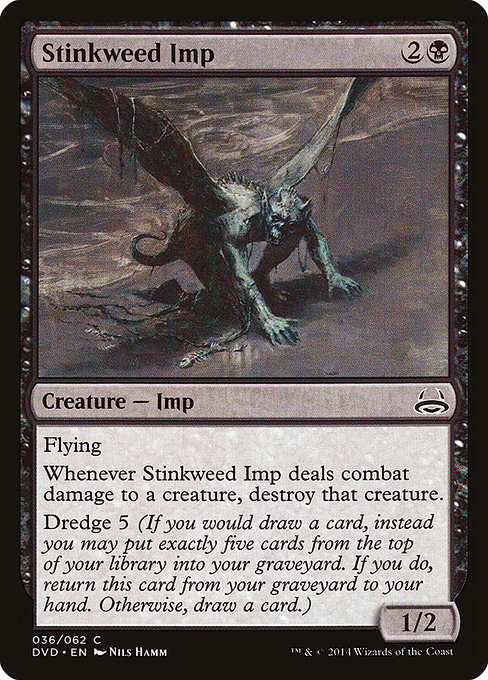 Stinkweed Imp
Flying
Stinkweed Imp
Flying
Whenever this creature deals combat damage to a creature, destroy that creature.
Dredge 5 (If you would draw a card, you may mill five cards instead. If you do, return this card from your graveyard to your hand.)
. Getting to Dredge 5 helps you mill a lot of cards at once, and cards like
Scrapwork Mutt
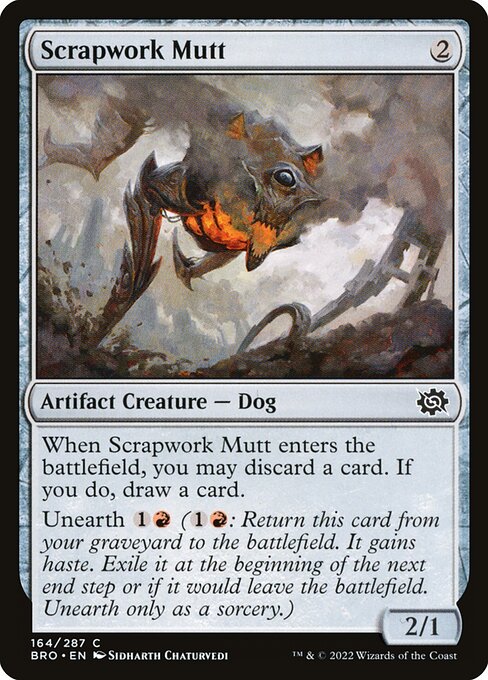 Scrapwork Mutt
When this creature enters, you may discard a card. If you do, draw a card.
Scrapwork Mutt
When this creature enters, you may discard a card. If you do, draw a card.
Unearth {1}{R} ({1}{R}: Return this card from your graveyard to the battlefield. It gains haste. Exile it at the beginning of the next end step or if it would leave the battlefield. Unearth only as a sorcery.)
can help you put Stinkweed Imp back into the graveyard from your hand and Dredge 5 once more.
What’s nice about this version of the deck is that you don’t have to win immediately with Lotleth Giant. This deck plays a playset of Dread Return, and in some games, it’s perfectly fine to bring back Lotleth Giant, drain your opponent for a bit of life, and bring Lotleth Giant back again later in the game to do the rest.
Read More: MTG Ixalan Commander Card Revolutionizes Typal Archetype!
Buying Time and Playing Fair
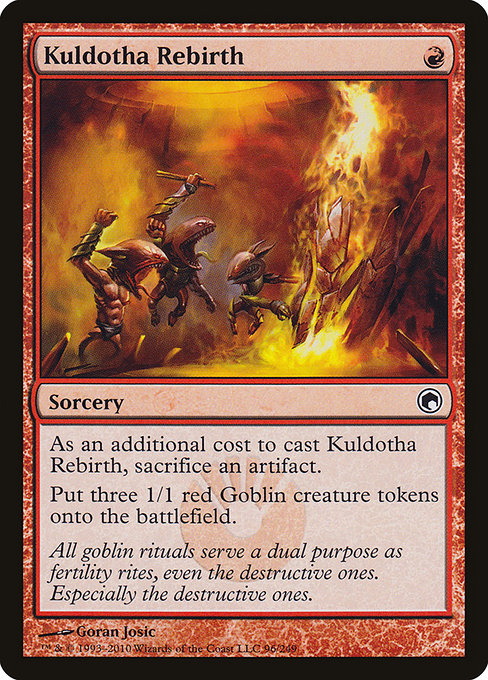
The one aspect that this deck lacks a bit when compared to the Balustrade Spy variants is sheer speed. As this deck spends time milling cards, your opponent may be jamming All that Glitters or
Kuldotha Rebirth
 Kuldotha Rebirth
As an additional cost to cast this spell, sacrifice an artifact.
Kuldotha Rebirth
As an additional cost to cast this spell, sacrifice an artifact.
Create three 1/1 red Goblin creature tokens.
and trying to beat down as fast as possible. Obviously, cards like Mire Triton make for reasonable blockers, but you need ways to help buy time against the aggressive decks to have any shot of winning in Pauper.
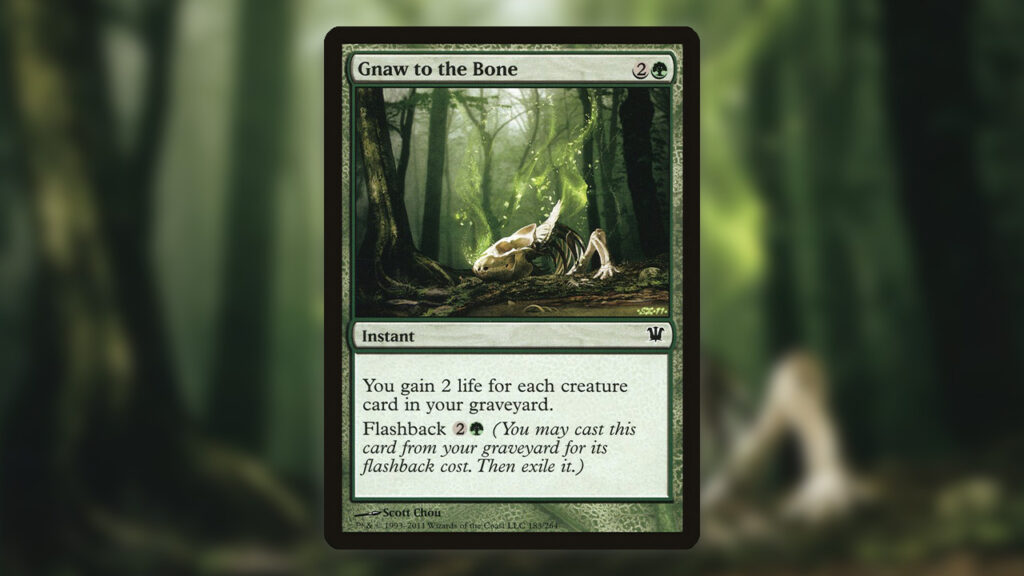
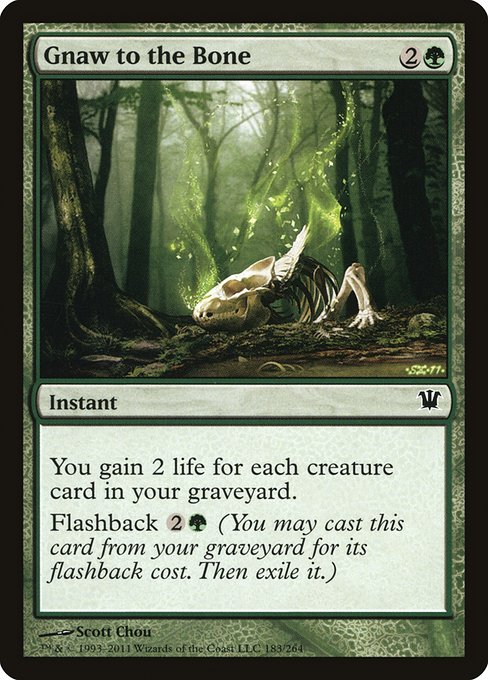
Luckily, this deck has one of the best catch-up mechanisms available, and you don’t even need to draw it naturally. That’s right. As you continue to mill cards and execute your gameplan like normal, all it takes is milling over a couple copies of
Gnaw to the Bone
 Gnaw to the Bone
You gain 2 life for each creature card in your graveyard.
Gnaw to the Bone
You gain 2 life for each creature card in your graveyard.
Flashback {2}{G} (You may cast this card from your graveyard for its flashback cost. Then exile it.)
and you may be able to buy yourself multiple turns. This deck is filled with Creatures, so it’s not unusual to gain 20 or more life at a time just by casting it.
Against other strategies, such as
Tolarian Terror
Tolarian Terror
This spell costs {1} less to cast for each instant and sorcery card in your graveyard.
Ward {2} (Whenever this creature becomes the target of a spell or ability an opponent controls, counter it unless that player pays {2}.)
decks with counter magic, you may also be forced to play a fair, grindy game. After all, sacrificing three Creatures to Dread Return only to have Dread Return get countered is not a profitable exchange. This is where hard-casting Dread Return can come into play.
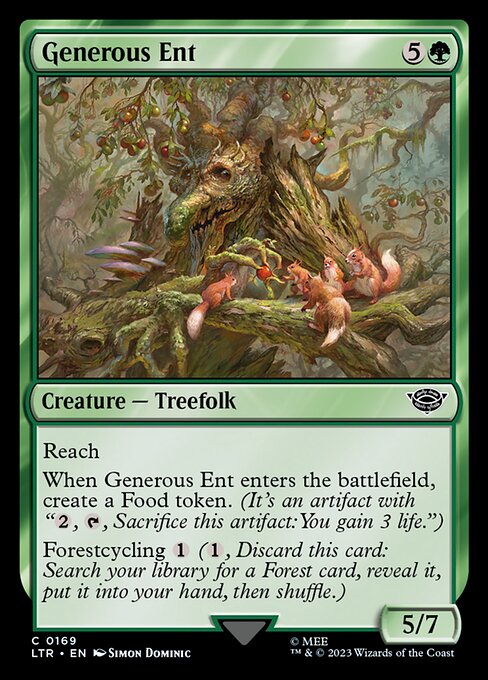
Beyond being able to bring back Lotleth Giant, this deck also makes great use of Landcyclers like
Generous Ent
 Generous Ent
Reach
Generous Ent
Reach
When this creature enters, create a Food token. (It's an artifact with "{2}, {T}, Sacrifice this token: You gain 3 life.")
Forestcycling {1} ({1}, Discard this card: Search your library for a Forest card, reveal it, put it into your hand, then shuffle.)
that you can cycle early to hit your Land drops. Then, you can bring them back to play for four mana, presenting your opponent with a must-answer threat. Later in the game, you can also cast Dread Return targeting Lotleth Giant, then use its Flashback ability, forcing the opponent to have multiple pieces of interaction available.
Read More: Broken MTG Combo Teams Up With Nostalgic Threat to Crush Recent Event!
Elements of Resiliency
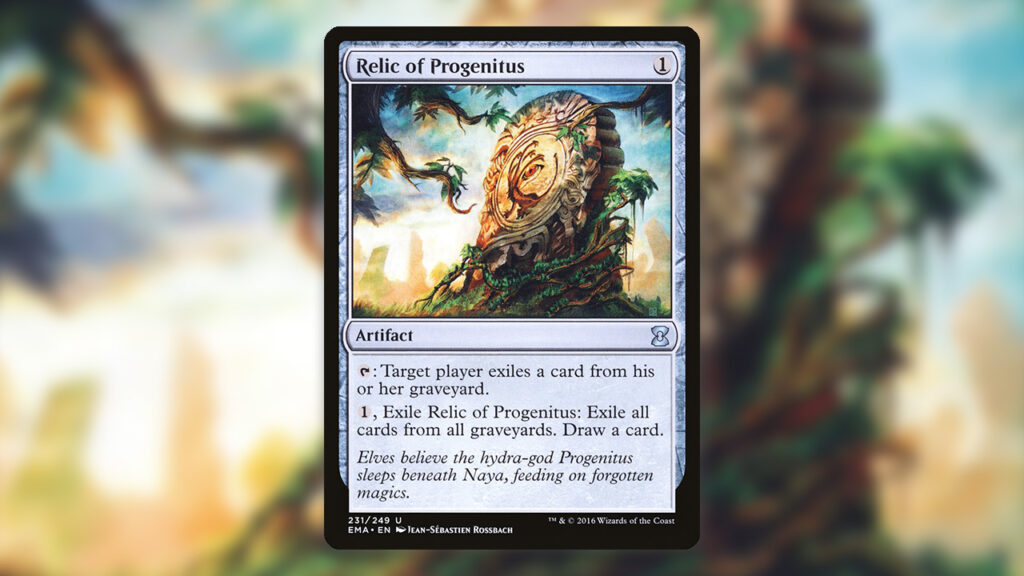
As good as this archetype can be in game one, the danger with decks like this is always the general reliance on the graveyard as a resource. Cards like
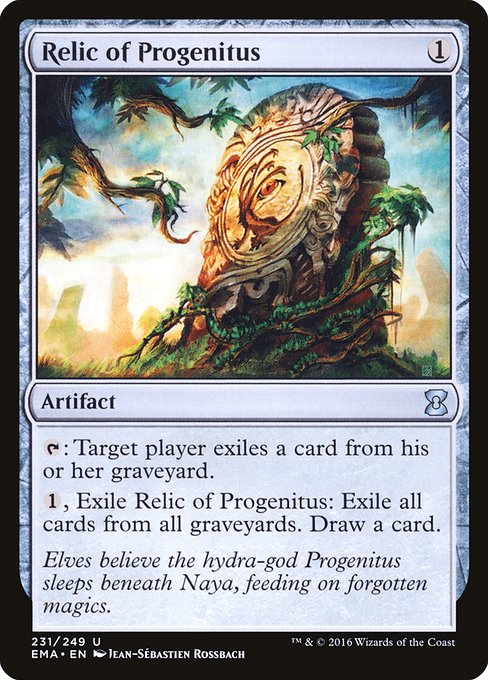
Relic of Progenitus
 Relic of Progenitus
{T}: Target player exiles a card from their graveyard.
Relic of Progenitus
{T}: Target player exiles a card from their graveyard.
{1}, Exile this artifact: Exile all graveyards. Draw a card.
can be rather problematic if unanswered, making it nearly impossible to win the game with Lotleth Giant. Thankfully, this strategy comes prepared with a playset of
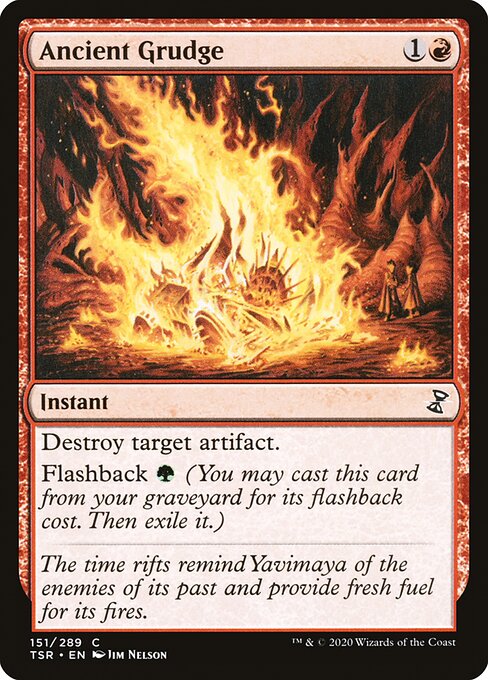
Ancient Grudge
 Ancient Grudge
Destroy target artifact.
Ancient Grudge
Destroy target artifact.
Flashback {G} (You may cast this card from your graveyard for its flashback cost. Then exile it.)
in the sideboard.
Ancient Grudge is nice because, similar to Gnaw to the Bone, you don’t have to draw it to make use of it. Instead, you can mill over it, and use it to destroy opposing copies of Relic of Progenitus. Of course, you can also use it as a tool against Affinity, making it even stronger as a sideboard card.
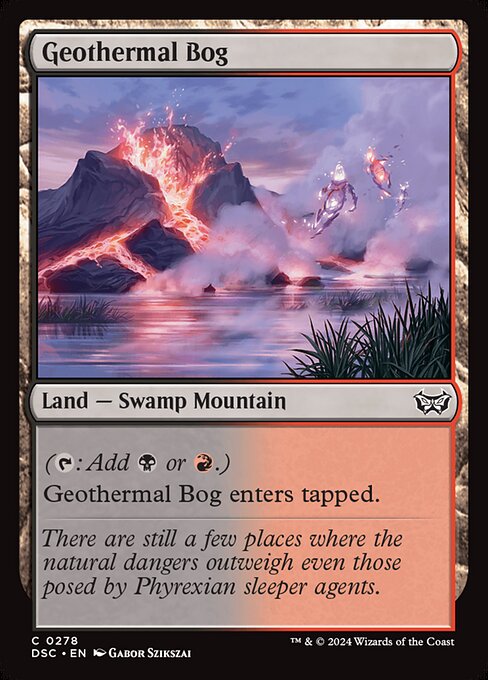
If you do draw Ancient Grudge, while this deck doesn’t play many red sources, your Landcyclers can find
Geothermal Bog
 Geothermal Bog
({T}: Add {B} or {R}.)
Geothermal Bog
({T}: Add {B} or {R}.)
This land enters tapped.
or
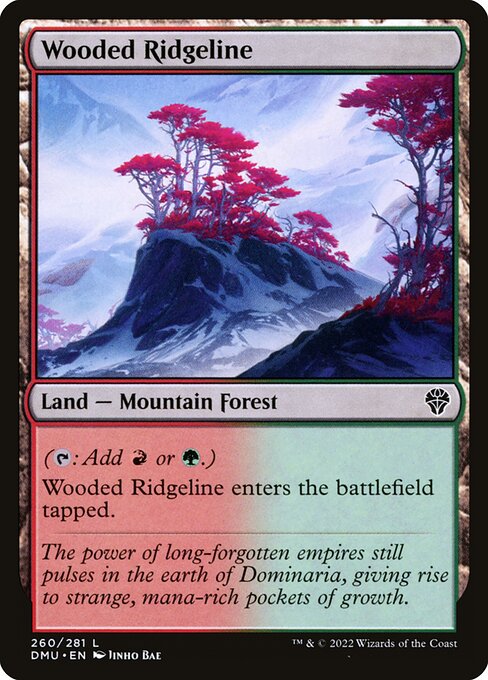
Wooded Ridgeline
 Wooded Ridgeline
({T}: Add {R} or {G}.)
Wooded Ridgeline
({T}: Add {R} or {G}.)
This land enters tapped.
to help you cast your potent sideboard cards twice.
In fact, the entire sideboard is constructed with Flashback cards that help in different scenarios.
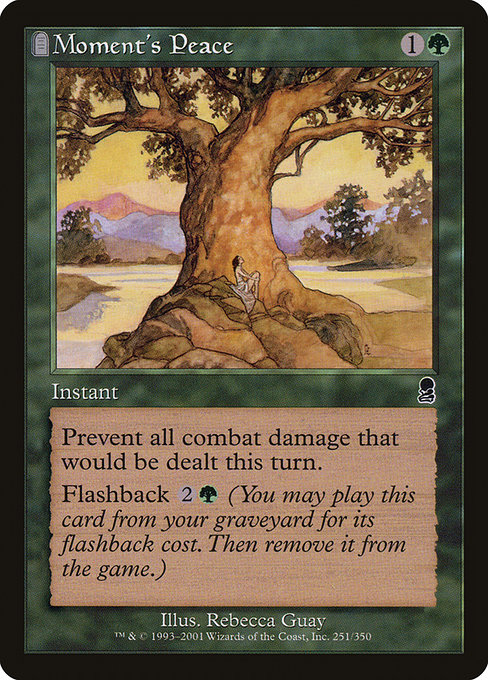
Moment’s Peace
 Moment’s Peace
Prevent all combat damage that would be dealt this turn.
Moment’s Peace
Prevent all combat damage that would be dealt this turn.
Flashback {2}{G} (You may cast this card from your graveyard for its flashback cost. Then exile it.)
helps against aggressive decks, while
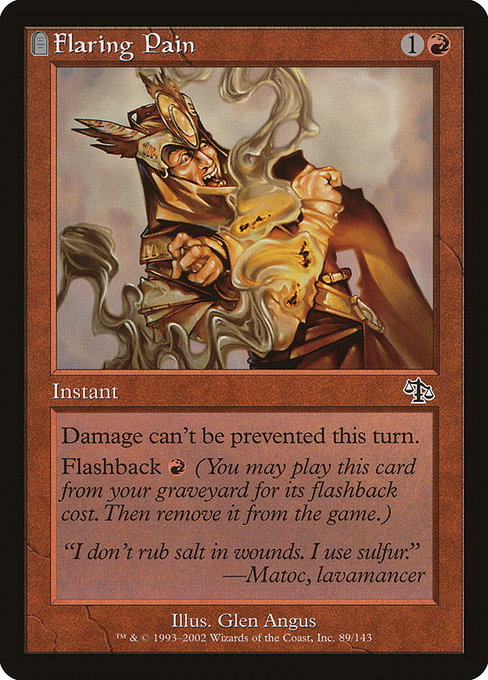
Flaring Pain
 Flaring Pain
Damage can't be prevented this turn.
Flaring Pain
Damage can't be prevented this turn.
Flashback {R} (You may cast this card from your graveyard for its flashback cost. Then exile it.)
helps you attack through Prismatic Strands. Lastly, Rotten Reunion provides you with some graveyard interaction of your own.
Read More: Ixalan Uncommon Breaches Best Competitive Commander Cards of 2023!
Strengths and Weaknesses
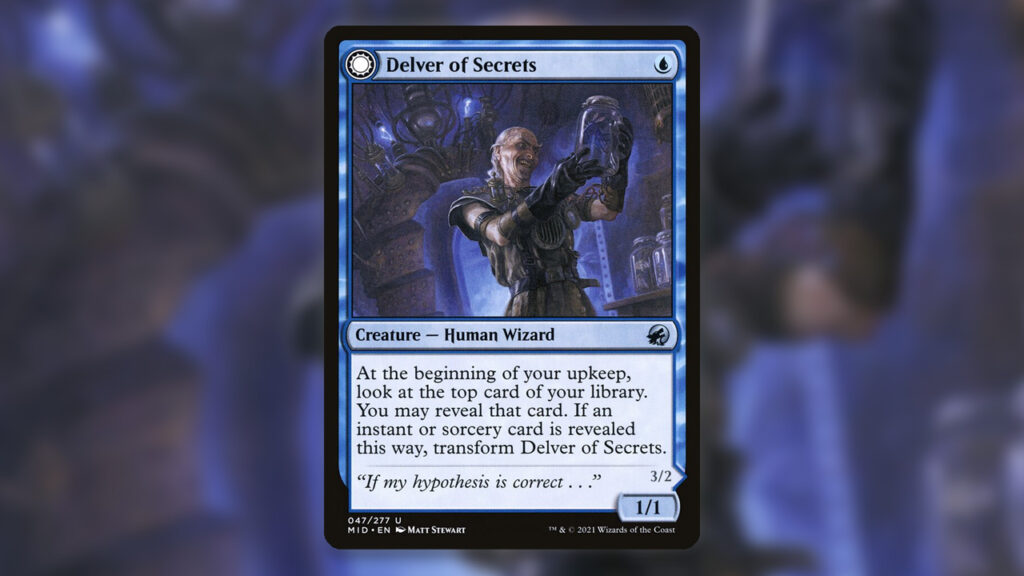
While this deck is certainly more resilient than other Dread Return decks in the past, it does have a bit of a tough time beating decks with both disruption and pressure. Decks like mono-blue
Delver of Secrets
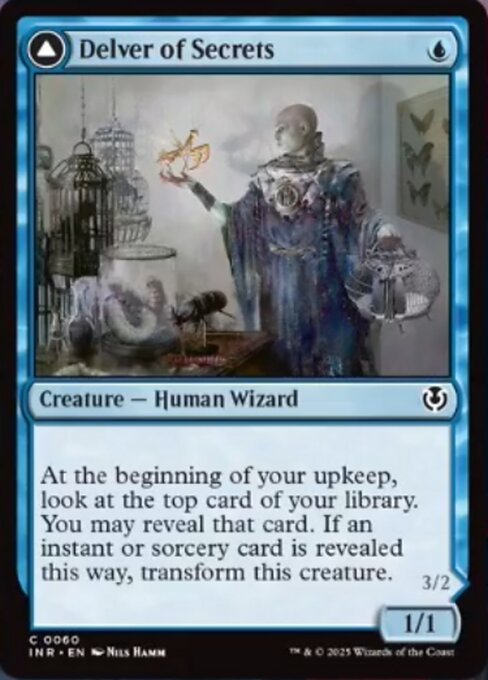 Delver of Secrets
At the beginning of your upkeep, look at the top card of your library. You may reveal that card. If an instant or sorcery card is revealed this way, transform this creature.
or Faeries can present a relatively quick clock backed up by counter magic, which can be difficult to win through.
Delver of Secrets
At the beginning of your upkeep, look at the top card of your library. You may reveal that card. If an instant or sorcery card is revealed this way, transform this creature.
or Faeries can present a relatively quick clock backed up by counter magic, which can be difficult to win through.
Additionally, decks like mono-red aggro can add a ton of pressure to the board rather quickly. Add Relic of Progenitus and Goblin Bushwhacker into the mix and that’s a recipe for success against you. Even still, though, Gnaw to the Bone helps a lot, and not every draw from the opponent will be both fast and disruptive.
There are also slower decks like the Gates variants that don’t play a ton of counter magic that can struggle to close the game against this strategy. As a Golgari-based “combo” deck, you are essentially immune to Pyroblast and Hydroblast effects, which is a huge boon in the current metagame. This deck has a lot going for it, so it’s worth seeing if it starts picking up steam after this strong performance.
Read More: Newly Discovered Multi-Format MTG Staple Increases 299% In Price!